

1975-1980 Dodge W300 Engine Coolant Bypass Hose: A Comprehensive Guide
Learn to spot a failing coolant bypass hose on your classic Dodge W300 and choose the right replacement part.
- A failing bypass hose will cause coolant leaks and can lead to critical engine overheating; do not drive if you suspect a leak.
- OEM parts are unavailable; quality aftermarket brands like Gates and Dayco are the standard replacement choice.
- Always use a pre-molded hose for your specific engine; a universal hose can kink and cause damage.
- When replacing the hose, it is essential to also replace the hose clamps to ensure a proper seal.
Is Your W300's Bypass Hose Failing?
After 40+ years, the original rubber hoses on your truck are living on borrowed time. The constant exposure to heat and pressure causes them to degrade. Ignoring the warning signs can lead to serious engine trouble. Look for these clear symptoms:
- Coolant Leaks: This is the most common sign. You may find puddles of green or orange coolant under the front of your truck. A slow leak can also leave white or crusty residue on the engine near the water pump.
- Sweet Smell: A distinct sweet smell from the engine bay, especially after a drive, is a tell-tale sign of a coolant leak, even if you can't see it.
- Engine Overheating: A leaking bypass hose causes low coolant levels. If the hose bursts, it can lead to rapid coolant loss, causing the temperature gauge to spike and risking severe engine damage like warped cylinder heads.
- Visible Hose Damage: Inspect the hose directly. If it looks swollen, cracked, brittle, or feels soft and mushy when squeezed, it needs to be replaced immediately.
A Small Leak Can Become a Big Problem
A minor drip from a coolant bypass hose can turn into a complete failure without warning. This can leave you stranded and cause catastrophic engine damage from overheating. It is not safe to drive with a known leak from this hose.
Choosing the Right Aftermarket Bypass Hose
Original Mopar (OEM) bypass hoses for this truck are no longer in production. The standard and reliable choice is a quality aftermarket part from a reputable brand. For the 1975-1980 Dodge W300, the primary brands available are Dayco and Gates.
Both Dayco and Gates are well-known manufacturers of automotive hoses. Forum discussions among truck owners show mixed preferences:
- Gates: Often praised for having a slightly better fit and feeling more substantial. Some users report that Gates' product catalogs are more accurate, which can be important for older vehicles.
- Dayco: Some owners have found Dayco hoses to be thicker and a better fit for their specific application than other brands.
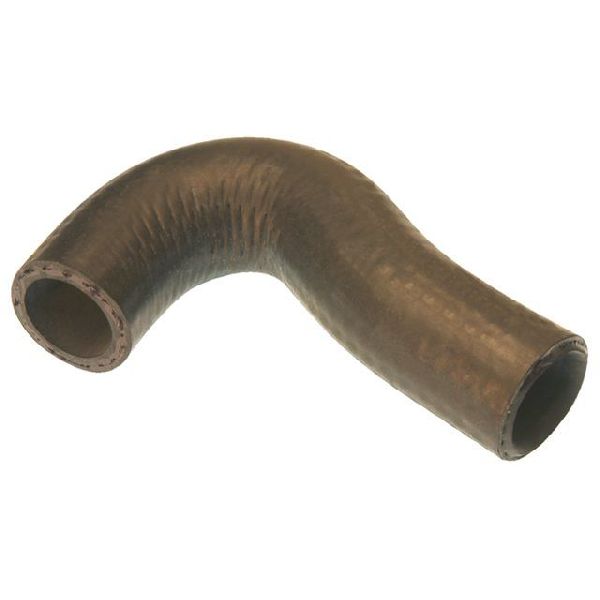
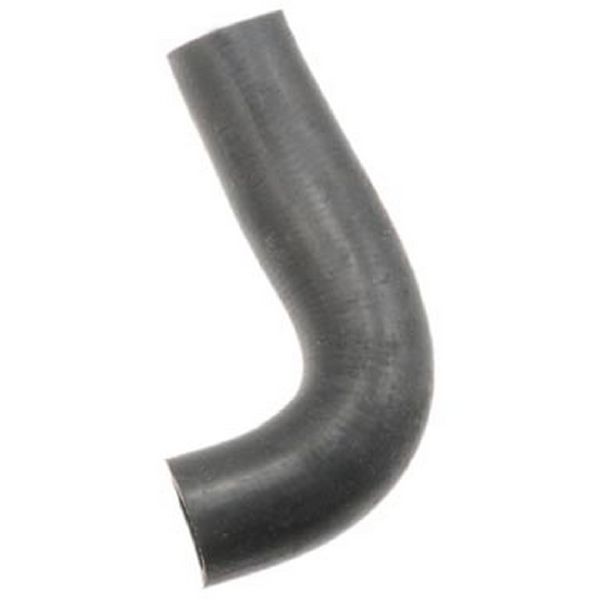
Pro Tip: For any aftermarket hose on a classic vehicle, the most important factor is fitment. Before installing, compare the bends of the new hose to your old one to ensure it will not kink or rub against other engine components. Always use a pre-molded hose designed for your specific engine; do not use a straight or universal hose that can be forced to fit, as it is likely to kink and restrict flow.
Engine Coolant Bypass Hose Cost for 1975-1980 Dodge W300
| Part Type | Estimated Cost |
|---|---|
| New Aftermarket Hose (Dayco, Gates) | $20.08 - $81.22 |
| Shop Labor | $90 - $150 |
Note: The wide price range for the part can be due to different hoses required for the various V8 engines (e.g., 318/360ci vs. 440ci) offered in the W300.
Frequently Asked Questions (FAQ)
What does the engine coolant bypass hose do?
It allows coolant to circulate through the engine during warm-up when the thermostat is closed. This helps the engine warm up evenly and provides hot coolant to the heater core.
Can I drive my W300 with a leaking bypass hose?
No. A leaking hose can burst at any time, leading to rapid coolant loss and severe engine overheating. It is not safe to drive the vehicle until the hose is replaced.
Is replacing the bypass hose a difficult DIY job?
It is moderately difficult. The job requires draining the cooling system and often involves removing the alternator and its mounting bracket to access the hose, which is located in a tight space. It is feasible for a DIYer with mechanical experience.
Should I replace anything else at the same time?
Yes. It is highly recommended to replace the hose clamps when you replace the hose to ensure a tight seal. While you have the system drained, it is a good time to inspect all other cooling hoses, the thermostat, and the water pump.
Technical Specifications
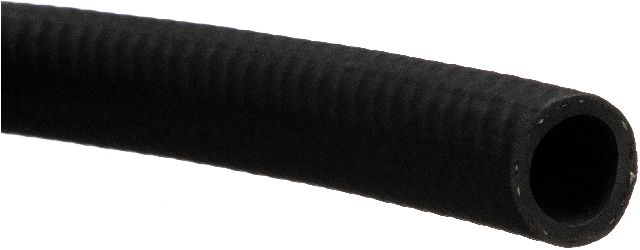
The specific hose required depends on the V8 engine in your truck (e.g., 318, 360, or 440 cubic inch). The hose is typically a short, pre-molded rubber component connecting the water pump to the intake manifold.
We Have This Part in Stock

The information in this article is provided for general reference and educational purposes only. Vehicle specifications, procedures, and part compatibility can vary by production date, trim level, and region. Always consult your vehicle's factory service manual and verify part numbers before purchasing or performing repairs. Safety-critical components such as airbags, seat belts, and braking systems should be installed by a qualified professional.