

Ford F-150 Engine Mount Guide for 1975-1980 Models
Stop excessive engine vibration and clunking noises by replacing your old, worn-out engine mounts.
- Bad engine mounts on a 1975-1980 F-150 cause vibration and clunking noises.
- Aftermarket mounts are the only realistic option; Pioneer is often considered a higher-quality choice over budget brands like Anchor or DEA.
- This is a very DIY-friendly repair that requires basic tools and safety precautions.
- Always replace mounts in pairs and consider replacing the transmission mount at the same time.
Is Your F-150's Engine Shaking or Clunking?
After 45+ years, the original rubber in your F-150's engine mounts is likely cracked, compressed, or oil-soaked. When mounts fail, they can no longer hold the engine steady. This leads to noticeable problems that you can feel and hear. Ignoring these symptoms can lead to more stress on other parts like the transmission mount and exhaust system.
Common Symptoms of a Bad Engine Mount:
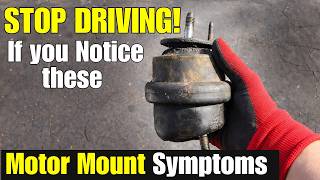
🎬 Watch this video to see common symptoms of bad mounts.- Excessive Vibration: You'll feel a deep vibration through the steering wheel, floor, or seats, especially at idle or when you put the truck in gear.
- Clunking or Banging Noises: Loud clunks from the engine bay when you accelerate, decelerate, or shift gears are a classic sign. This is the sound of the engine moving too much and hitting other components.
- Engine Movement: If you have a helper safely rev the engine in park with the hood open, you might see the engine physically rock or lift more than it should.
- Rough Shifting: A bad mount can cause the engine and transmission to misalign, leading to harsh or jerky shifts.
Can I Drive with a Bad Engine Mount?
You can, but it's not recommended for long. While the engine is unlikely to fall out, the excessive movement can damage other expensive components like your transmission, driveshaft, radiator hoses, and exhaust manifolds. It's best to get it fixed soon.
Choosing the Right Aftermarket Mount
For a classic truck like the 1975-1980 F-150, finding original Ford (OEM) parts is nearly impossible. The good news is that several aftermarket companies make direct-fit replacements. The mounts for these trucks are a simple design, so even budget-friendly options are often sufficient for a daily driver.
Aftermarket Brand Tiers:
- Good - Standard Replacement (Anchor, DEA, Westar): These brands are widely available and very affordable. They are considered standard, economy-level replacements. For a simple, solid rubber mount on an older truck, they generally get the job done. However, quality can be inconsistent, with some mechanics reporting premature failures. It's a good idea to inspect the part before installation for any visible defects in the rubber or welds.
- Better - OE-Style Replacement (Pioneer): Forum users and reviews often suggest that Pioneer offers a higher quality product that is more comparable to the original factory mounts. They may cost slightly more, but many find the better fit and finish to be worth it.
Cost to Replace F-150 Engine Mounts
Replacing engine mounts on this generation of F-150 is a straightforward job for a DIY mechanic with the right tools. The parts themselves are very affordable.
| Part/Service | Estimated Cost |
|---|---|
| New Aftermarket Mounts (Pair) | $25 - $105 |
| Shop Labor | $150 - $300 |
| Total Professional Repair | $175 - $405 |
Frequently Asked Questions
How do I know if my engine mounts are really bad?
The most common signs are a heavy vibration at idle, a loud clunk when you accelerate or shift into gear, and visible cracks or separation in the rubber part of the mount. You can also have a friend watch the engine while you briefly rev it in 'Park' to see if it moves or lifts excessively.
Are there any recalls for 1975-1980 F-150 engine mounts?
No, searches of the NHTSA database show no open or past recalls specifically for engine mounts on the 1975-1980 Ford F-150. Recalls for engine mounts on Ford trucks are typically for much newer models.
Is it hard to replace the engine mounts myself?
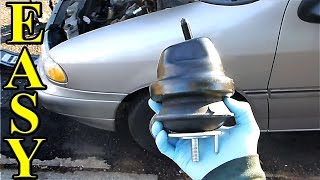
For a 1975-1980 F-150, this is a DIY-friendly job if you are comfortable working on your truck. The basic process involves supporting the engine's weight with a floor jack and a block of wood, unbolting the old mount from the frame and engine, and bolting the new one in. Always use jack stands for safety 🎬 Learn how to replace a motor or transmission mount yourself. when working under your vehicle.
Should I use rubber or polyurethane mounts?
For most owners, standard rubber mounts are the best choice. They provide the best vibration absorption for a comfortable ride. Polyurethane mounts are stiffer, offer less flex, and are better for high-performance or heavy towing applications, but they will transfer more engine vibration into the cab.
Helpful Videos
Technical Specifications
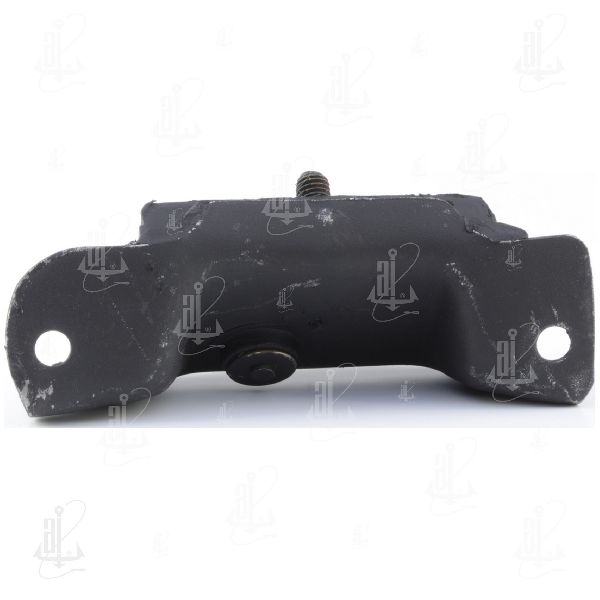
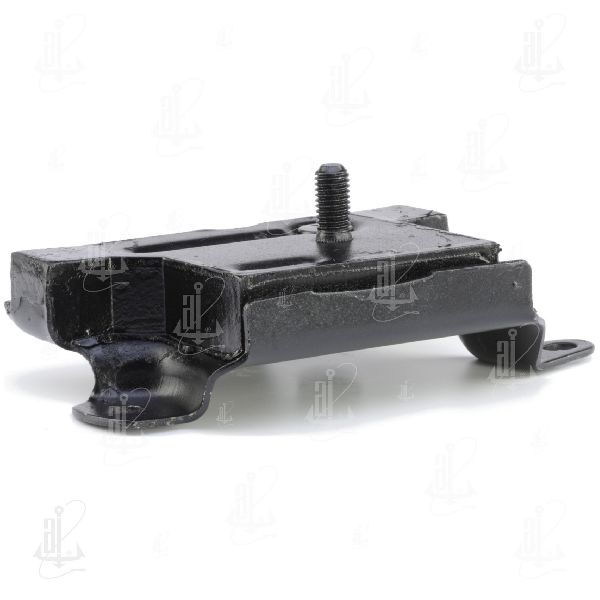
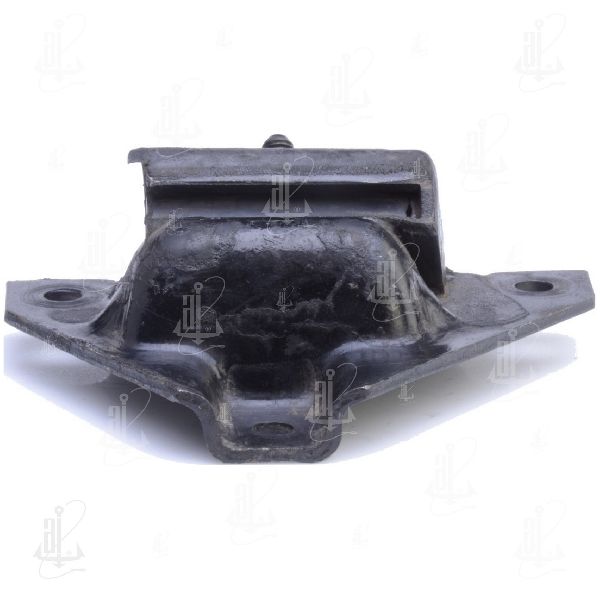
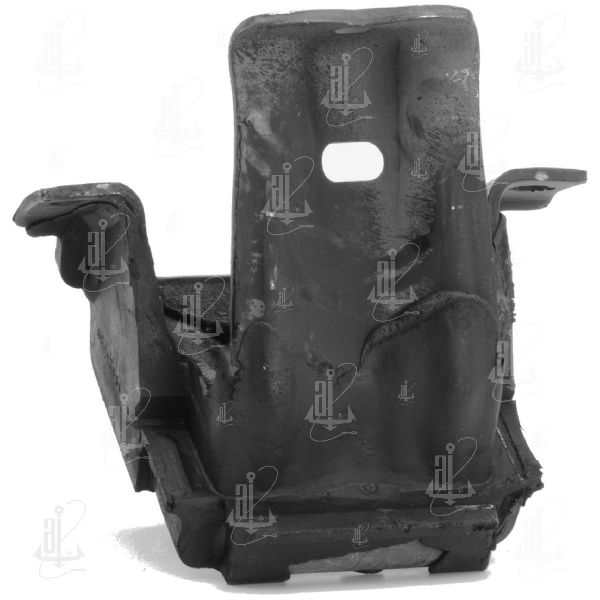
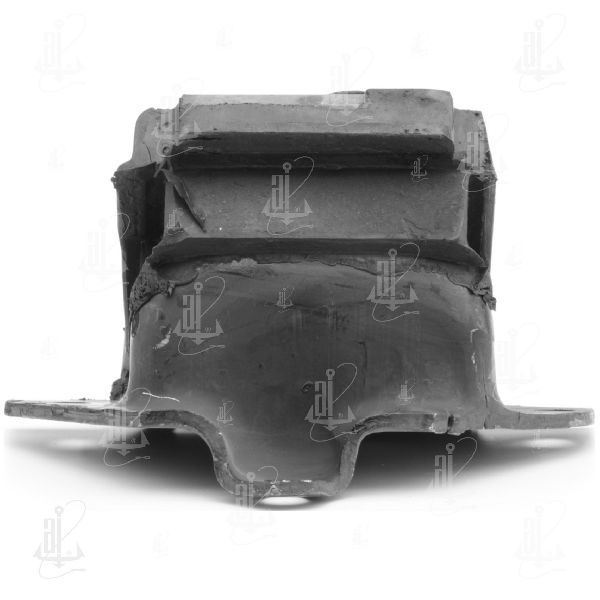
The engine mounts for the 1975-1980 Ford F-150 are a non-hydraulic, solid rubber and steel design. They are typically sold as left and right specific parts.
We Have This Part in Stock


The information in this article is provided for general reference and educational purposes only. Vehicle specifications, procedures, and part compatibility can vary by production date, trim level, and region. Always consult your vehicle's factory service manual and verify part numbers before purchasing or performing repairs. Safety-critical components such as airbags, seat belts, and braking systems should be installed by a qualified professional.