

Mercury Monarch Alternator Guide: 1975-1980 Replacement and Upgrade Options
Keep your classic Monarch's electrical system reliable by choosing the right new alternator.
- Your Monarch uses an external voltage regulator, which can also be a point of failure and should be checked.
- Symptoms include dimming lights, a frequently dead battery, and whining noises from the engine bay.
- Upgrading to a 1-wire alternator with an internal regulator is a popular and reliable modification.
- For a stock vehicle, a new aftermarket alternator is a better value than a remanufactured one.
Is Your Mercury Monarch Alternator Failing?
Cars from the 1970s have simpler electrical systems, but the signs of a failing alternator are timeless. Because original Ford parts for a Monarch are long out of production, you'll be looking at aftermarket replacements. Watch for these common symptoms that point to a weak or dead alternator.
Common Failure Symptoms
- Dimming or Flickering Lights: Headlights and dashboard lights may flicker, dim at idle, and then brighten as you rev the engine. This is a classic sign the alternator isn't producing consistent power.
- Weak or Dead Battery: A good battery that repeatedly dies suggests the alternator isn't recharging it. You might find yourself needing to jump-start the car frequently.
- "ALT" or "GEN" Warning Light: If your dashboard has a battery or generator warning light, it will illuminate if the system detects a charging problem.
- Strange Noises: A grinding or whining sound from the front of the engine can indicate worn-out bearings inside the alternator. A squealing noise might point to a loose or worn V-belt that is slipping on the alternator pulley.
- Electrical Gremlins: Slow-operating power windows (if equipped), a weak radio, or other electrical accessories acting up can happen when the alternator can't supply enough power.
- Burning Smell: A smell like burning rubber or hot wires can signal an overworked alternator or a slipping belt creating friction.
Check the Basics First
Before replacing the alternator, always check the simple things. Ensure the battery terminals are clean and tight. Inspect the V-belt for cracks, glazing, and proper tension; a loose belt can't spin the alternator effectively. Also, on these models, the external voltage regulator can fail and produce similar symptoms, so it's worth testing before buying a new alternator.
Choosing the Right Aftermarket Alternator
For a vehicle like the 1975-1980 Monarch, you won't find a new OEM Ford alternator on a shelf. Your choices are new aftermarket parts or remanufactured units. All the brands listed offer viable options, but they fit into different tiers.
Standard Replacements: BBB Industries, MPA, Remy
These brands are the backbone of the general auto parts industry. They supply parts to many local and online stores. You will find both new and remanufactured options from them.
- BBB Industries: A major manufacturer and remanufacturer that supplies parts under its own name and owns other brands like Remy's aftermarket division. They offer new units that fit the Monarch. Quality can be inconsistent with remanufactured parts in general, but they are a standard, affordable choice.
- MPA (Motorcar Parts of America): Sells new alternators under the "QB Supreme" line and remanufactured ones as "QB Premium". They are a large North American supplier known for rigorous testing.
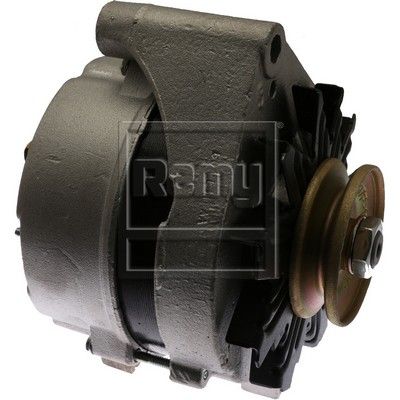
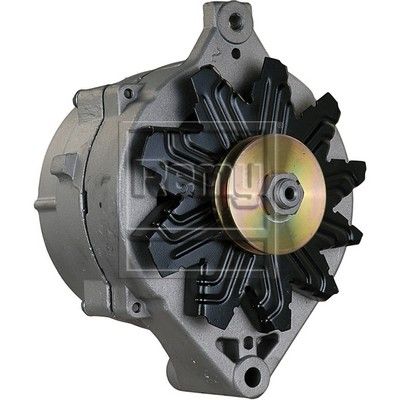
- Remy: A historic brand in automotive electrics. Their new and remanufactured aftermarket units are a common choice. User reviews are often mixed, with some reporting long service life and others noting premature bearing failure.
Pro Tip: New vs. Remanufactured
For a critical part like an alternator, a new aftermarket unit is often worth the small price increase over a remanufactured one. New parts use all-new components and tend to have a lower failure rate out of the box. While many remanufactured alternators work fine, they are only as good as the components that were replaced.
Performance/Upgrade Option: Proform
Proform is popular with classic car and hot rod owners. They specialize in higher-output alternators, which are a great upgrade if you've added electric fans, a powerful stereo, or other modern accessories.
- Proform: Often sells "1-wire" alternators that feature a built-in, internal voltage regulator. This simplifies wiring and eliminates the stock external regulator, which is a common failure point. Reviews from classic car owners are generally positive, but be aware that minor modifications like shimming or swapping a pulley might be necessary for a perfect fit.
How Much Does a New Monarch Alternator Cost?
Prices can vary based on the brand, amperage output, and whether the part is new or remanufactured. Labor costs are low for this job due to its simplicity.
| Part Type | Estimated Cost |
|---|---|
| New Aftermarket | $45 - $120 |
| Remanufactured Aftermarket | $40 - $90 |
| Shop Labor | $100 - $180 |
Frequently Asked Questions
Can I replace the alternator myself?
Yes, this is a very DIY-friendly job for someone with basic tools. Access in the Monarch engine bay is good. The process involves disconnecting the battery, loosening the belt tensioner, removing the belt, and swapping the alternator. The entire job can usually be done in about an hour.
What's the difference between an external and internal regulator?
Your Monarch came from the factory with an external voltage regulator, a separate box mounted in the engine bay that controls the alternator's output. Many modern and upgrade-style alternators (like 1-wire units from Proform) have the regulator built-in. Switching to a 1-wire alternator is a popular modification that simplifies wiring and removes a potential failure point.
Do I need a higher amperage (amp) alternator?
The stock alternator was sufficient for the car's original equipment. However, if you have added or plan to add high-draw accessories like a modern sound system, electric cooling fans, or extra lighting, a higher-amp alternator (e.g., 100 amps) is a smart upgrade to handle the extra load.
Is it the alternator or the battery?
A simple test can help. Jump-start the car and then disconnect the jumper cables. If the car dies immediately, the alternator is likely bad. If the car stays running, but won't restart on its own later, the battery is likely unable to hold a charge. Most auto parts stores offer free battery and alternator testing.
Technical Specifications
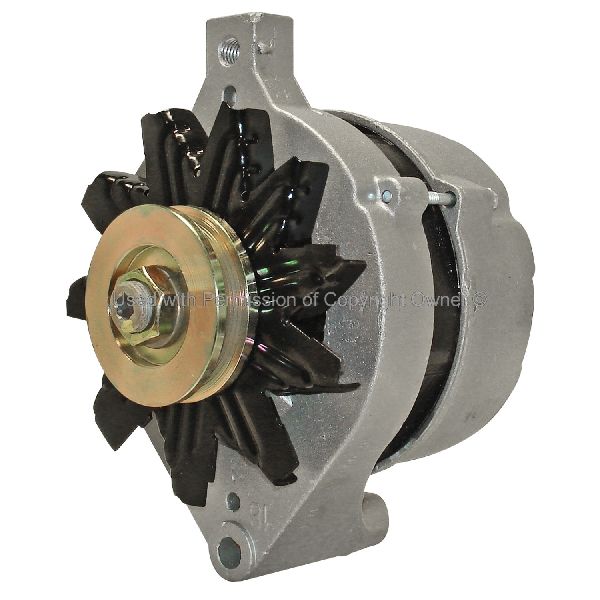
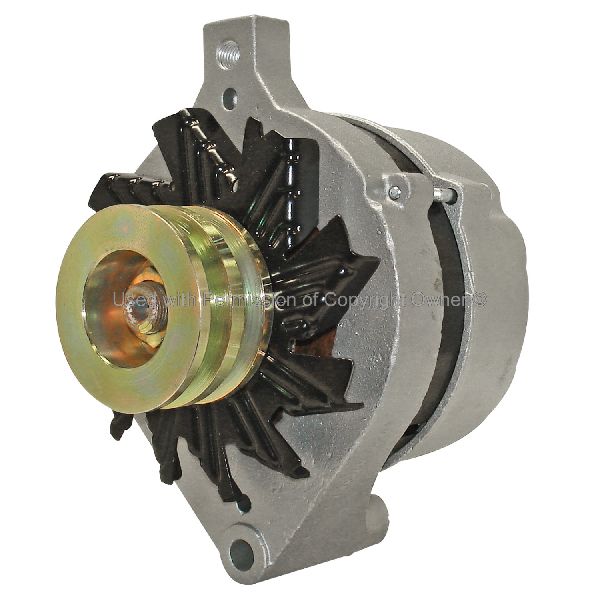
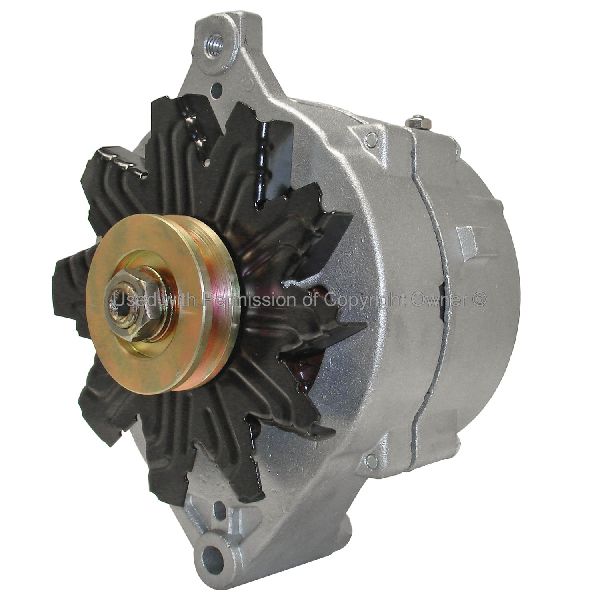
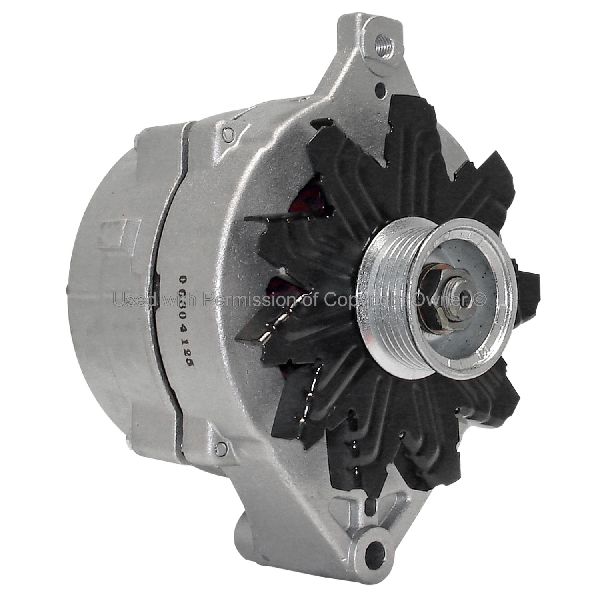
This vehicle uses an externally regulated alternator. The V-belt drives a pulley to spin the alternator. Stock amperage was typically between 55 and 70 amps, but aftermarket upgrades of 100 amps or more are available and recommended for vehicles with modern accessories.
We Have This Part in Stock

The information in this article is provided for general reference and educational purposes only. Vehicle specifications, procedures, and part compatibility can vary by production date, trim level, and region. Always consult your vehicle's factory service manual and verify part numbers before purchasing or performing repairs. Safety-critical components such as airbags, seat belts, and braking systems should be installed by a qualified professional.
- 🛍️ Shop This Part
- Is Your Mercury Monarch Alternator Failing?
- Common Failure Symptoms
- Check the Basics First
- Choosing the Right Aftermarket Alternator
- Standard Replacements: BBB Industries, MPA, Remy
- Pro Tip: New vs. Remanufactured
- Performance/Upgrade Option: Proform
- How Much Does a New Monarch Alternator Cost?
- Frequently Asked Questions
- 🎟️ Get 5% Off