

1975-1980 Mercury Monarch Automatic Transmission Mount Replacement Guide
Stop the shaking and clunking noises in your classic Monarch by understanding and replacing your transmission mount.
- Symptoms are hard to miss: look for clunking noises when shifting and new, heavy vibrations at idle.
- Standard aftermarket brands like Anchor, DEA, and Westar are affordable and suitable for this car.
- This is a DIY-friendly repair that can be done in 1-2 hours with basic tools.
- Ignoring a bad mount puts stress on engine mounts, the driveshaft, and exhaust components, leading to more expensive repairs.
Symptoms of a Failing Transmission Mount
The transmission mount on your Monarch is made of rubber that degrades after decades of use, heat, and exposure to fluids. When it fails, the symptoms are usually easy to notice. Ignoring them can lead to damage to other parts, like engine mounts, driveshaft components, or exhaust pipes.
- Excessive Vibration: You'll feel a new or increased vibration in the floor or steering wheel, especially when the car is in gear and stopped, or during acceleration.
- Clunking or Banging Noises: Loud clunks or bangs when you shift from Park to Reverse or Drive are a classic sign. You might also hear thumps when you accelerate or go over bumps.
- Visible Engine Movement: With the hood open and the car in park, have a helper shift the transmission into Drive and then Reverse while holding the brake. If you see the engine and transmission assembly lurch or lift excessively, the mount is likely broken.
Choosing the Right Aftermarket Mount
Finding a new original Ford (OEM) transmission mount for a 1975-1980 Monarch is nearly impossible today. The good news is that several aftermarket companies make direct-fit replacements. For a standard car like the Monarch, these parts are affordable and get the job done. They generally fall into two categories:
Tier 1: Standard Rubber Replacements
Brands: Anchor, DEA, Pioneer Cable, Westar
These brands offer standard, value-oriented replacements that are designed to mimic the function of the original rubber mount. They are widely available and are the most affordable option. For a daily driver or a simple restoration, these are a perfectly acceptable choice. Forum discussions among classic car owners suggest that while these brands are budget-friendly, quality can be inconsistent. Some users note that Pioneer mounts can sometimes have a better finish, while Anchor is a long-standing common choice. Be prepared for the possibility of minor fitment issues, though for a simple mount like this, problems are less common.
Tier 2: Polyurethane Upgrades
Brands: Energy Suspension
For those looking for maximum durability, a polyurethane mount is an option. Polyurethane is a type of plastic that is much tougher than rubber and is resistant to oil and road contaminants. The downside is that it's much stiffer and will transfer more engine and transmission vibration into the cabin, leading to a harsher, noisier ride. For a car like the Monarch, which was marketed for comfort, this is generally not the recommended path unless the vehicle is modified for performance.
Typical Replacement Costs
Replacing the transmission mount on a Monarch is one of the more affordable repairs you can make. The part itself is inexpensive, and the labor is straightforward for any mechanic.
| Part Type | Estimated Cost |
|---|---|
| New Aftermarket Mount | $16.68 - $21.79 |
| Shop Labor | $100 - $225 |
| Total Estimated Cost | $117 - $247 |
Frequently Asked Questions (FAQ)
Can I replace the transmission mount myself?
Yes, this is a very DIY-friendly job for someone with basic tools. The process involves safely supporting the transmission with a jack and a block of wood, unbolting the old mount from the crossmember and transmission, and bolting the new one in place. It typically takes 1-2 hours.
Are there any recalls for the Monarch transmission mount?
No. A search of the National Highway Traffic Safety Administration (NHTSA) database shows no recalls specifically related to the transmission mount for the 1975-1980 Mercury Monarch.
What's the difference between an engine mount and a transmission mount?
They do similar jobs but are in different locations. Your Monarch has two engine mounts that support the engine at the front of the car, and one transmission mount that supports the transmission at the rear. Together, they hold the entire powertrain in place. If one mount is bad, it puts extra stress on the others, so it's a good idea to inspect all of them.
Will a new mount make my car feel different?
Absolutely. If your old mount was worn out, a new one will make the car feel smoother and quieter. You'll notice less vibration at idle, and the clunking noises during shifting should disappear completely. It's a simple repair that can make a big difference in ride quality.
Technical Specifications
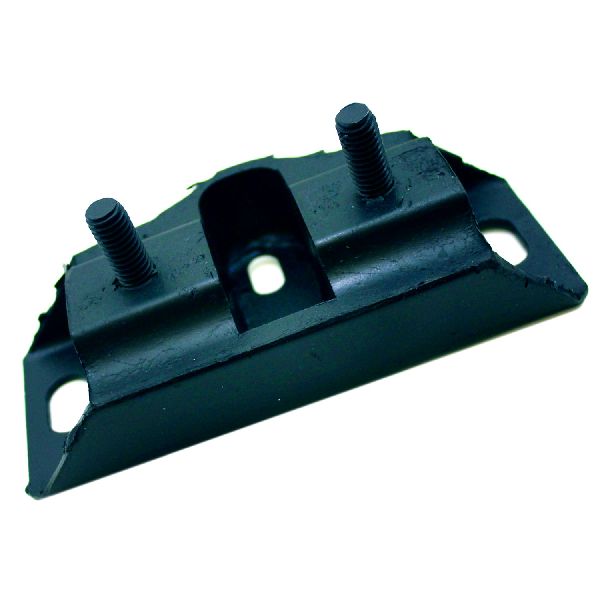
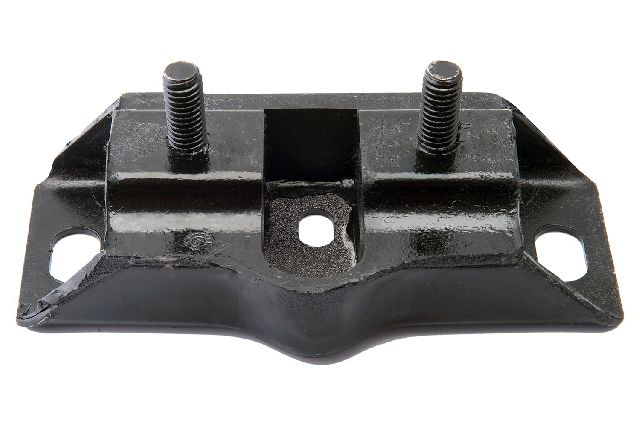
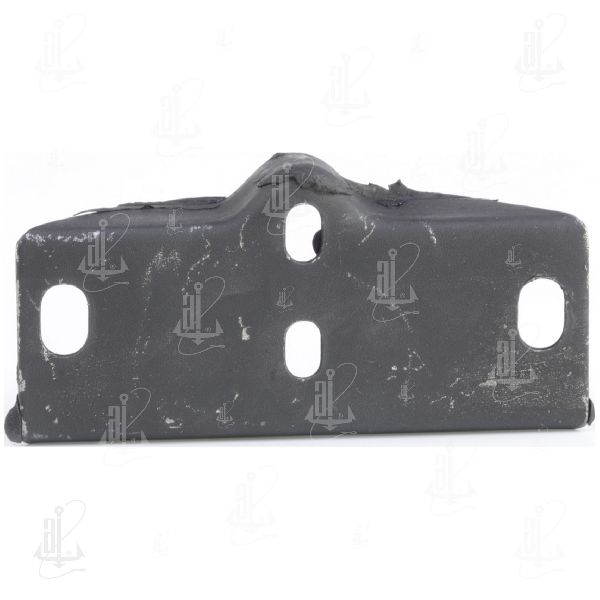
Common Aftermarket Part Number: 2253 (Anchor, Westar, DEA) or equivalent. Polyurethane Upgrade: Energy Suspension 4.1136G.
We Have This Part in Stock


The information in this article is provided for general reference and educational purposes only. Vehicle specifications, procedures, and part compatibility can vary by production date, trim level, and region. Always consult your vehicle's factory service manual and verify part numbers before purchasing or performing repairs. Safety-critical components such as airbags, seat belts, and braking systems should be installed by a qualified professional.