

Choosing the Right Spark Plug Wires for Your 1975-1980 Mercury Monarch
Restore smooth performance in your classic Monarch by selecting the perfect spark plug wire set for your engine.
- Always verify your Monarch's engine (I-6 or V8) before buying a wire set to ensure it fits.
- For most owners, an OEM-quality brand like NGK, Denso, or Standard provides the best combination of performance and value.
- Performance brands like MSD and Taylor are excellent upgrades for modified engines or for owners wanting maximum durability.
- Replacing wires is a simple DIY job; do it one wire at a time to avoid mixing up the firing order.
Signs of Failing Spark Plug Wires in a Monarch
For a classic car like the 1975-1980 Mercury Monarch, the spark plug wires are a common wear item. Insulation breaks down over time due to heat and age. When wires start to fail, you'll notice definite changes in how your car runs.
- Rough Idle: The engine may shake or sputter when you're stopped. This happens because one or more cylinders aren't firing correctly.
- Engine Misfires: You might feel a hesitation or stumble from the engine, especially under acceleration. Sometimes you can even hear a popping sound.
- Poor Acceleration: If the wires can't deliver a strong spark, your Monarch will feel sluggish and slow to respond.
- Reduced Fuel Economy: When the engine isn't burning fuel efficiently due to weak spark, your gas mileage will suffer.
- Visible Damage: A visual check can reveal a lot. Look for cracks, melting, or burn marks on the wires and boots. In the dark, you might even see small blue sparks arcing from a bad wire to a metal part of the engine.
Check Your Engine First!
The most common mistake is ordering the wrong wire set. The Mercury Monarch was available with several engines, including an Inline-6 (200ci, 250ci) and V8s (302ci, 351W). A V8 set has more wires than an I-6 set. Always confirm your engine size before purchasing to ensure you get the correct number of wires and the right lengths.
Choosing the Best Aftermarket Spark Plug Wires
For a vehicle of this age, new OEM (Original Equipment Manufacturer) wires are virtually impossible to find. Aftermarket parts are your primary and best option. Modern aftermarket wires often exceed the quality and performance of the original 1970s technology.
Brand Quality Tiers
Not all aftermarket brands are the same. They generally fall into three categories:
- Performance (MSD, Granatelli, Taylor Cable, Accel): These brands are for owners seeking maximum performance. They often feature thicker wires (e.g., 8mm or 8.5mm), lower resistance, and superior heat protection. MSD and Taylor are highly regarded in classic car communities for their durability and performance. Accel is also a popular performance choice, known for good heat resistance which is important if you have aftermarket headers.
- OEM-Quality (NGK, Denso, Standard, Ford Performance): These brands provide excellent reliability for daily driving. They are designed to meet or exceed original specifications. NGK and Denso are trusted names in ignition parts, known for quality and longevity. Standard Motor Products is a well-respected replacement brand.
- Value (Walker Products): These brands offer a functional replacement at a lower cost. While they may not have the advanced features or longevity of premium brands, they are a suitable option for budget-conscious repairs.
For a stock or lightly modified Monarch used for daily driving or cruising, an OEM-Quality set from NGK, Denso, or Standard offers the best balance of price, performance, and reliability. If you have a high-performance engine or just want the best, consider MSD or Taylor Cable.
| Part Type | Price Range | Notes |
|---|---|---|
| New Aftermarket | $21.44 - $196.37 | The primary and most practical option. Price varies by brand and performance level. |
| New OEM | N/A | Original Ford parts are no longer produced and are extremely rare. |
| Shop Labor | $75 - $150 | This is a very straightforward job, typically taking less than an hour. |
Frequently Asked Questions
Do I need special tools to replace spark plug wires?
No special tools are required. A spark plug wire puller can be helpful to avoid damaging the boots, but often you can remove them by hand by twisting and pulling on the boot itself (never pull on the wire). It's also a good idea to apply a small amount of dielectric grease to the inside of the new wire boots to ensure a good seal and make future removal easier.
How do I make sure I install the wires correctly?
The best method is to replace one wire at a time. Remove one old wire from the distributor cap and spark plug, then match its length to a new wire and install the new one in the same location. This prevents mixing up the firing order, which is crucial for proper engine operation.
What's the difference between 7mm and 8mm wires?
The measurement refers to the diameter of the wire. Thicker wires, like 8mm or 8.5mm, generally have better insulation and can handle higher voltage with less electrical interference. For a stock Monarch, standard 7mm or 8mm wires are perfectly fine. Performance wires are often thicker.
Were there any recalls on Monarch spark plug wires?
A search of the National Highway Traffic Safety Administration (NHTSA) database shows no recalls specifically for spark plug wires on the 1975-1980 Mercury Monarch. Any issues you experience are due to normal aging and wear of the parts.
Technical Specifications
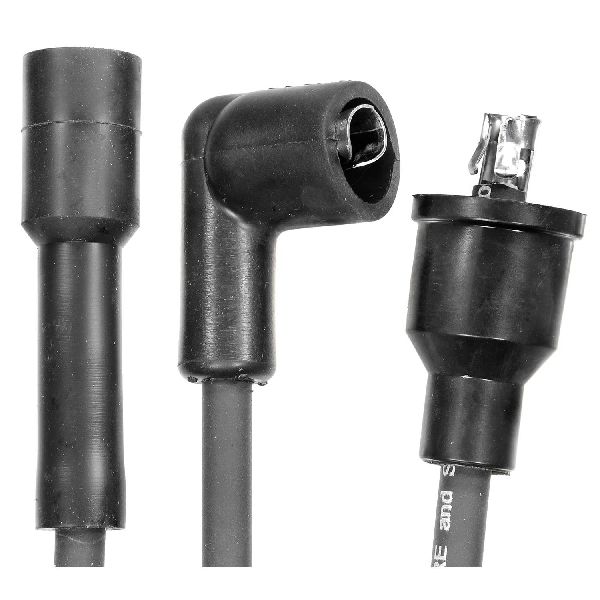
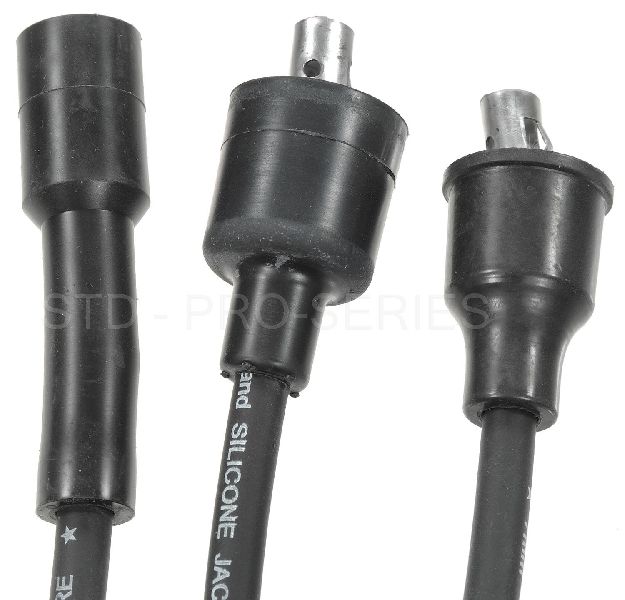
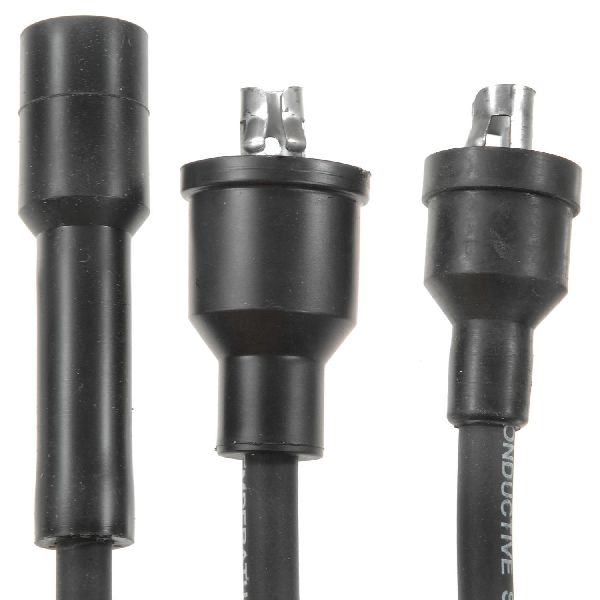
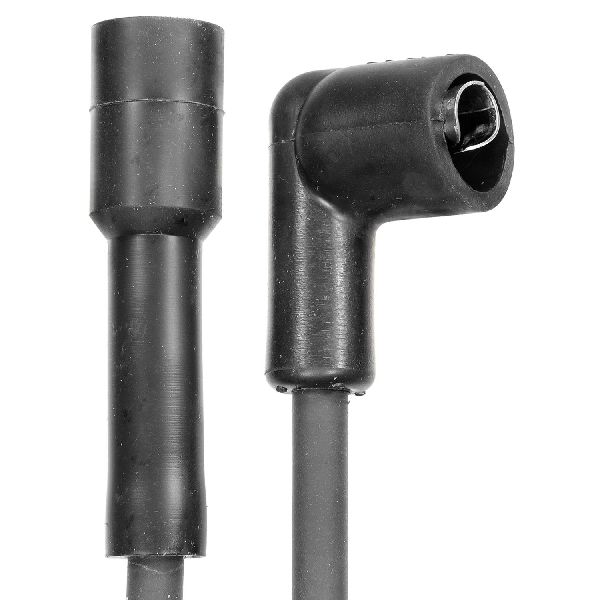
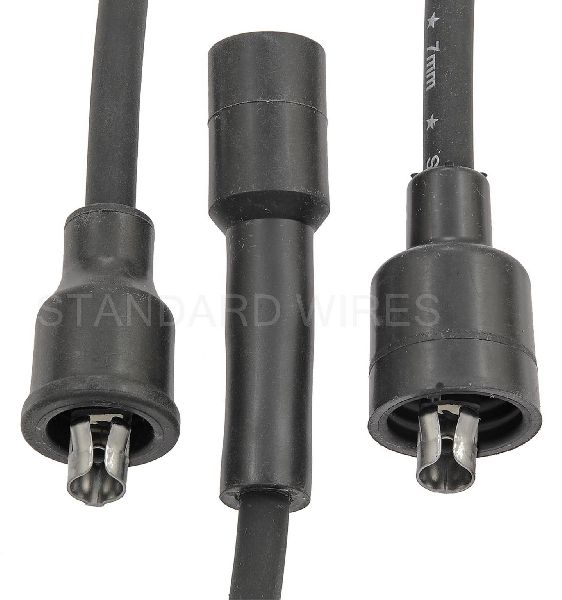
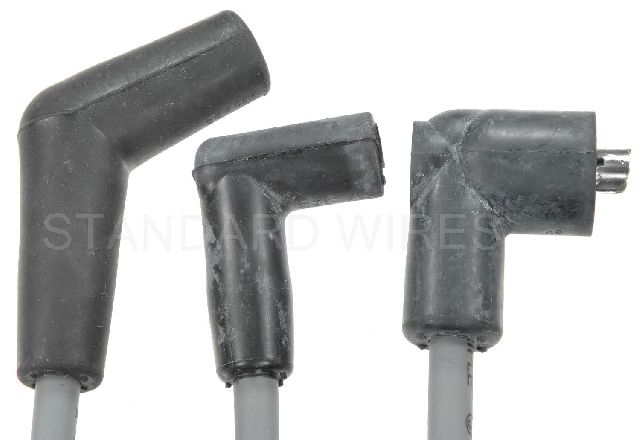
The most important specification is matching the wire set to your specific engine: 200ci I-6, 250ci I-6, 302ci V8, or 351ci V8. Wire diameter (typically 7mm or 8mm) and boot angle (straight vs. 90-degree) are also key considerations.
We Have This Part in Stock

The information in this article is provided for general reference and educational purposes only. Vehicle specifications, procedures, and part compatibility can vary by production date, trim level, and region. Always consult your vehicle's factory service manual and verify part numbers before purchasing or performing repairs. Safety-critical components such as airbags, seat belts, and braking systems should be installed by a qualified professional.