

Catalytic Converter Replacement Guide for 1975-1981 Buick LeSabre
Everything you need to know about choosing a new aftermarket catalytic converter for your classic LeSabre.
- For this vehicle, a new aftermarket converter is the only practical choice; OEM parts are unavailable.
- Symptoms are physical (power loss, smell, rattle) as these cars pre-date electronic check engine lights for converters.
- Most replacements are universal and require professional welding; this is not a simple bolt-on job.
- Fix any engine issues like poor carburetion or oil burning before installing a new converter to prevent repeat failure.
Is Your LeSabre's Catalytic Converter Failing?
On a classic car like the 1975-1981 LeSabre, the catalytic converter can fail from age, contamination, or physical damage. Since these vehicles are pre-OBD-II, they won't show a "Check Engine" light with a specific code like P0420. You have to rely on physical symptoms to diagnose a problem.
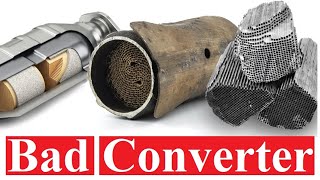
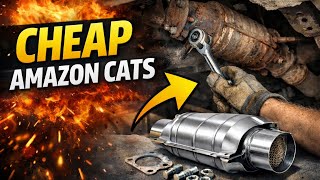
🎬 Watch: A guide on how to diagnose a bad converter.Key Symptoms of a Bad Converter:
- Loss of Power: The car feels sluggish and struggles to accelerate. This is often the most noticeable sign of a clogged converter restricting exhaust flow.
- Rotten Egg Smell: A strong sulfur smell from the exhaust indicates the converter isn't processing gases correctly.
- Rattling Noises: If you hear a rattling or metallic shaking sound from under the car, the ceramic catalyst inside the converter has likely broken apart.
- Excessive Heat: A clogged converter can trap a large amount of heat, which you might feel coming from the floor of the car.
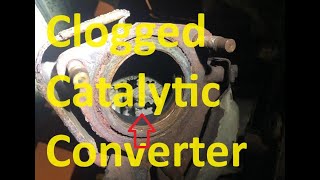
- Reduced Fuel Economy: When the engine has to work harder to push exhaust gases out, it burns more fuel. 🎬 See more common symptoms of a clogged catalytic converter.
A Word on OEM vs. Aftermarket
For a vehicle of this age, finding a New Old Stock (NOS) OEM catalytic converter from GM is nearly impossible. Used OEM parts are an option, but they are just as old as the part you're replacing and may not have much life left. For the 1975-1981 LeSabre, a new aftermarket converter is the most practical and cost-effective solution. Modern aftermarket converters are often more efficient than the original pellet-style units from the 70s and early 80s.
Choosing the Right Aftermarket Converter
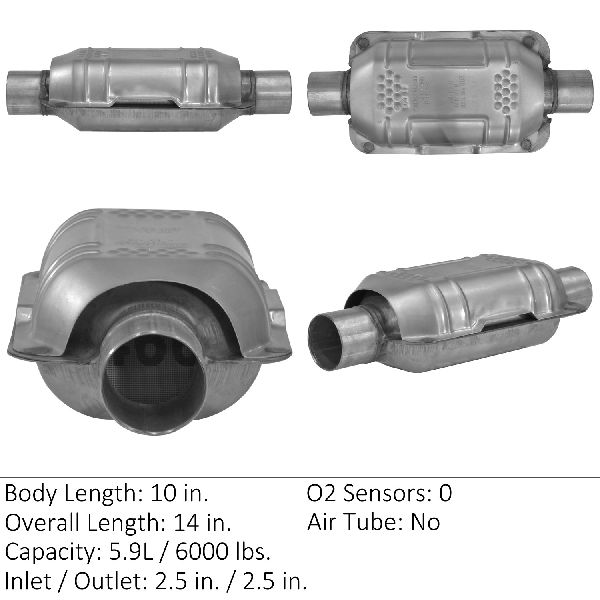
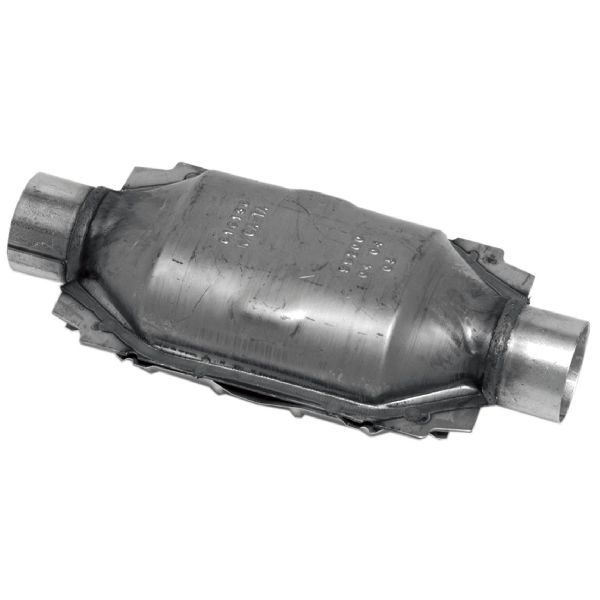
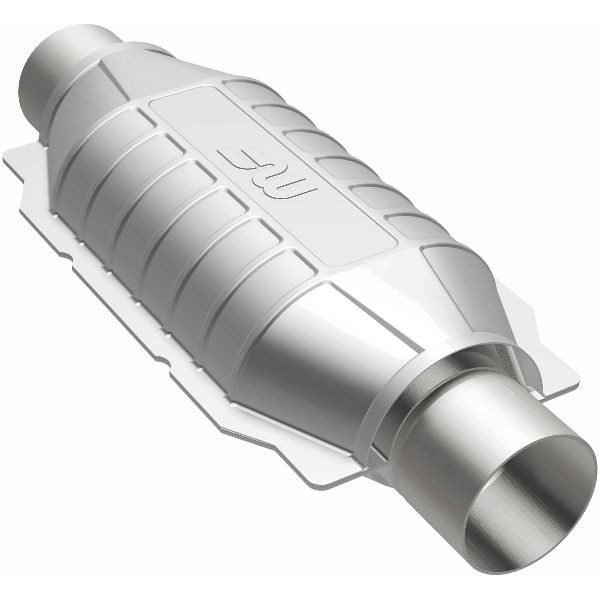
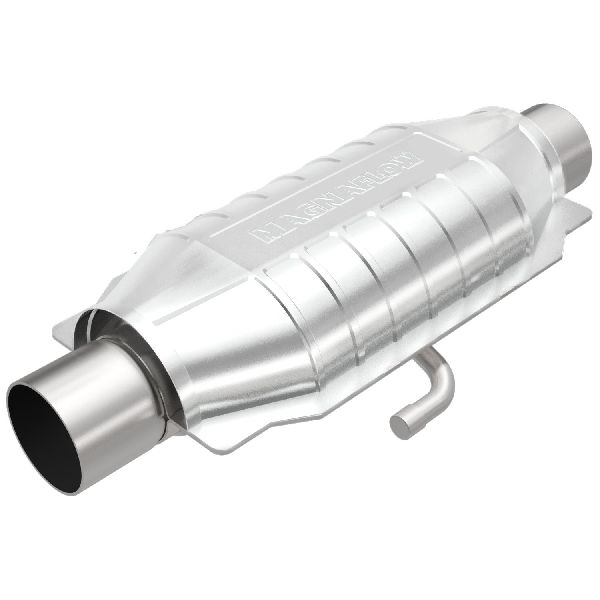
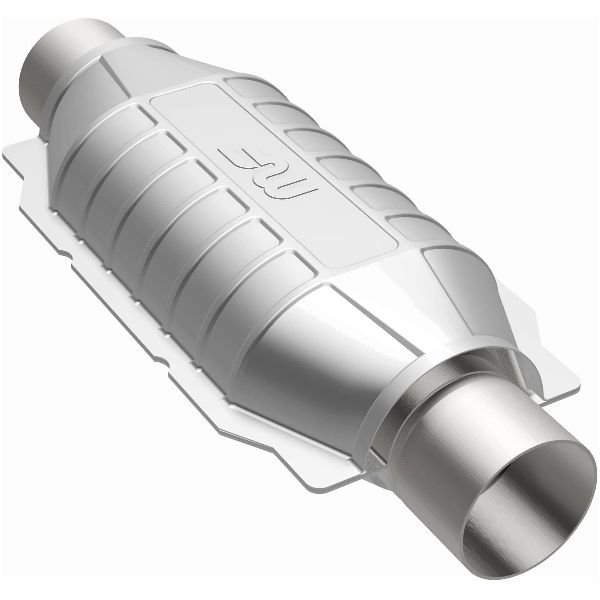
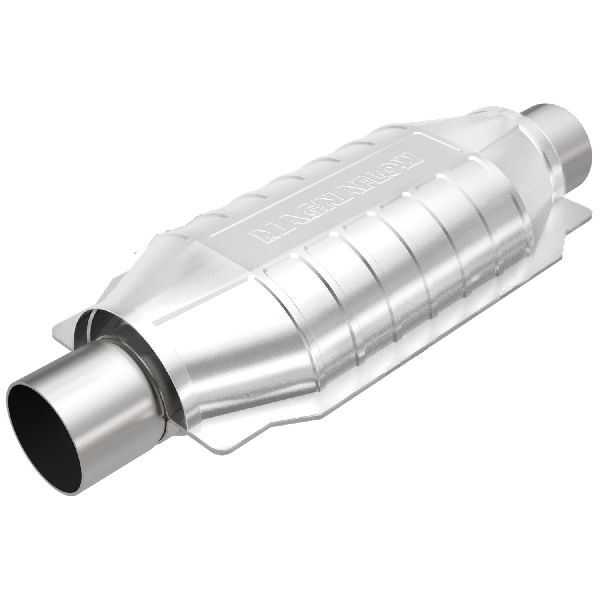
Most converters for this LeSabre will be "universal fit," meaning they are designed to work on a range of vehicles and will require some cutting and welding for a proper installation. Direct-fit options are less common but offer an easier, bolt-on installation if available. Here's a look at the common brands.
Brand Tiers
- Premium Tier (MagnaFlow, MagnaFlow Performance Exhaust): MagnaFlow is widely regarded for its high-quality construction and performance. They often use stainless steel and are known for good exhaust flow, which can help maintain engine performance. Many professional shops prefer MagnaFlow for their reliability.
- Standard Tier (Walker Exhaust): Walker is a well-known name that produces reliable, OE-style replacement parts. They are a solid choice for a standard repair that will meet emissions requirements and restore proper function without a focus on high performance.
- Economy Tier (Eastern Catalytic): Eastern Catalytic provides a budget-friendly option. While they meet basic EPA requirements, they may not have the same lifespan or material quality as premium brands. An Eastern cat can be a good choice if the rest of the car's exhaust system is also aged and budget is the main concern.
Pro Tip: Before replacing the converter, make sure your LeSabre's engine is running properly. An engine that runs too rich (too much fuel) or burns oil can quickly destroy a brand-new catalytic converter. Address any carburetor, ignition, or internal engine issues first.
Replacement Cost
The cost to replace the catalytic converter on a 1975-1981 LeSabre depends on the part you choose and labor rates in your area.
| Item | Estimated Cost |
|---|---|
| New Aftermarket Converter | $97 - $168 |
| Shop Labor (Welding Required) | $150 - $300 |
| Total Estimated Cost | $247 - $468 |
Frequently Asked Questions
Do I need a special type of converter for a pre-OBD-II car?
Yes, you should use a converter specifically designed for pre-OBD-II vehicles. These are often called "2-way" converters as they primarily handle hydrocarbons and carbon monoxide. Some universal converters are engineered with the correct catalyst loading for these older engines.
Will a new converter change the sound of my LeSabre?
Yes, it can. A new, functioning converter will often make the exhaust slightly quieter and smoother compared to a failing or hollowed-out one. It will help reduce the raspy sounds and exhaust fumes.
Is this a DIY job?
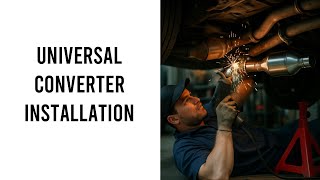
If you get a rare direct-fit, bolt-on part, it can be done at home with the right tools. However, most replacements for this car are universal and require cutting the old unit out and welding the new one in. This is a job best left to a professional exhaust shop unless you are a skilled welder.
🎬 Watch: Step-by-step walkthrough of a universal catalytic converter installation.Are there any recalls for the catalytic converter on this LeSabre?
No, searches of the NHTSA database and historical recall data did not show any specific recalls for the catalytic converter on the 1975-1981 Buick LeSabre. There was a 1981 recall for a related EGR valve issue on some V6 engines, but not the converter itself.
Helpful Videos
Technical Specifications
Most replacement converters for this model are universal fit, requiring cutting and welding. They do not have oxygen sensor ports. Check for Federal/EPA compliance, as CARB-certified parts are not required for this vehicle year outside of specific states.
We Have This Part in Stock

The information in this article is provided for general reference and educational purposes only. Vehicle specifications, procedures, and part compatibility can vary by production date, trim level, and region. Always consult your vehicle's factory service manual and verify part numbers before purchasing or performing repairs. Safety-critical components such as airbags, seat belts, and braking systems should be installed by a qualified professional.