

Chevrolet G30 Ignition Control Module Guide for 1975-1981 Models
Solve your van's stalling and no-start problems by understanding its HEI ignition module.
- The most common failure symptom is a no-start condition when the engine is hot, which resolves after it cools down.
- Applying the included thermal paste to the new module's metal base is critical to prevent it from overheating and failing prematurely.
- A failing module can cause sudden stalling, leaving you stranded. Due to this risk, it should be replaced as soon as symptoms appear.
- While cheap aftermarket modules are available, forum consensus suggests spending slightly more on a reputable brand like Standard Ignition or Delphi for better reliability.
Is Your G30's Ignition Module Failing?
Ignition control modules in the 1975-1981 Chevrolet G30 are known to fail from years of heat and vibration inside the distributor. The most common complaint is the engine stalling or refusing to start once it's hot. This happens because heat increases electrical resistance inside the module's circuits, causing it to stop working until it cools down. Recognizing the signs of a failing module can prevent you from being stranded.
Key Symptoms of a Bad Ignition Module
- No-Start When Hot: This is the classic sign. You drive your van, shut it off for a short time, and then it will crank but not start. After waiting 30 minutes or more for it to cool down, it starts right up again.
- Engine Stalling: The engine may suddenly die while you are driving, as if you turned the key off. It may sputter first or just cut out completely.
- Rough Running and Misfiring: An inconsistent spark from a failing module can cause the engine to run poorly, hesitate, or backfire.
- No Spark at All: A completely dead module will prevent any spark from being created, resulting in a permanent no-start condition.
Choosing the Right Aftermarket Ignition Module
For a vehicle of this age, new original GM parts are generally not available. The market consists of New Old Stock (NOS) originals and modern aftermarket replacements. While enthusiasts often seek out original GM modules for their proven durability, a quality aftermarket part can be a reliable choice.
Pro Tip: Thermal Paste is Not Optional
Every new ignition module comes with a small packet of white or clear paste. This is a heat sink compound, sometimes called dielectric grease. You MUST apply a thin layer to the entire metal base of the new module before screwing it down. This paste transfers heat from the module to the distributor housing. Forgetting this step will cause the new module to overheat and fail very quickly.
Aftermarket Brand Tiers
When shopping for a replacement, brand reputation matters. Forum discussions among classic GM owners reveal a wide range of experiences with aftermarket quality.
- Tier 1 (OEM Quality Aftermarket): Brands like Delphi and Standard Ignition (SMP) have a long-standing reputation for producing reliable electronic components that meet or exceed original specifications. They are generally considered a safe and dependable choice for a daily-driven G30.
- Tier 2 (Performance & Standard Aftermarket): Proform is another option, with some users reporting good results. Accel is known as a performance brand, but many owners in forums report a high rate of sudden failure with their HEI modules and advise caution.
- Tier 3 (Economy): Unbranded, "white-box" parts are the most affordable but also carry the highest risk of premature failure. Given the low cost of higher-quality modules and the inconvenience of being stranded, investing in a reputable brand is highly recommended.
Cost of Replacing a G30 Ignition Module
| Part Type | Estimated Cost |
|---|---|
| New Aftermarket Module | $48 - $50 |
| New Old Stock (NOS) OEM | $60 - $100+ (if found) |
| Shop Labor | $50 - $100 |
| Total Professional Replacement | $98 - $150 |
Frequently Asked Questions (FAQ)
Can I replace the ignition module myself?
Yes, this is a very DIY-friendly job. It involves removing the distributor cap and rotor, unplugging two connectors, and removing two small screws. The only special requirement is to apply the included thermal paste to the new module. The entire job can typically be done in under an hour with basic hand tools.
Why did my brand new module fail after a week?
The most common reason for rapid failure is not applying the heat sink compound (thermal paste) that comes with the new part. Without it, the module cannot dissipate heat and quickly burns out. Other causes can include a bad ignition coil that is overheating the system or a poor ground connection at the distributor.
Is a "performance" module better for my stock G30?
For a stock or lightly modified engine, a high-quality standard replacement module from a brand like Delphi or Standard Ignition is perfectly adequate. While performance modules from brands like MSD may offer benefits at very high RPM, you are unlikely to see any noticeable difference in a heavy-duty van. Reliability should be the top priority.
How can I test my ignition module?
Many auto parts stores can test HEI modules for free. However, they often fail only when hot, so a test on a cool module may show it as "good" even if it's faulty. The best test is to see if you have spark when the engine is cold versus when it is hot and won't start. If you have spark when cold but not when hot, the module is the most likely culprit.
Technical Specifications
OEM Part Numbers: D1906
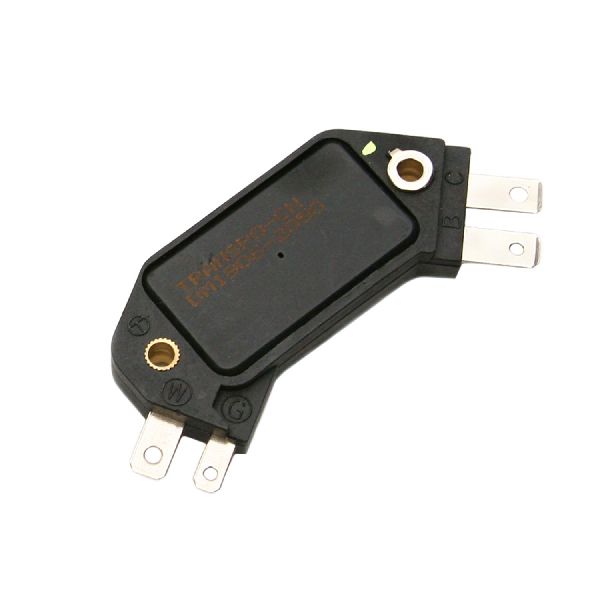
4-Pin High Energy Ignition (HEI) Module
We Have This Part in Stock


The information in this article is provided for general reference and educational purposes only. Vehicle specifications, procedures, and part compatibility can vary by production date, trim level, and region. Always consult your vehicle's factory service manual and verify part numbers before purchasing or performing repairs. Safety-critical components such as airbags, seat belts, and braking systems should be installed by a qualified professional.