

Chevrolet Impala Catalytic Converter Guide: 1975-1981
Everything you need to know about replacing the catalytic converter on your classic 1975-1981 Impala.
- Symptoms are physical (smell, power loss, noise) as these cars pre-date modern diagnostic codes.
- Nearly all aftermarket options are universal-fit and require professional welding for installation.
- Brand choice matters: MagnaFlow offers performance and durability, Walker is a reliable standard, and Eastern is a budget-friendly option.
- Ignoring a clogged converter can lead to significant engine damage from excess heat and pressure.
Is Your Impala's Catalytic Converter Failing?
Catalytic converters were introduced on most cars in the 1970s. While they are designed to last a long time, they can fail from age, contamination, or physical damage. Since your Impala is from an era before complex check engine light codes, you'll need to rely on physical symptoms to spot a problem. A bad converter can cause serious engine problems if ignored.
Key Symptoms of a Bad Converter:
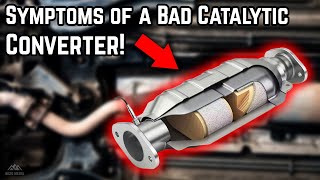
🎬 Watch this video to see common signs of converter failure.- Rotten Egg Smell: A strong sulfur smell from the exhaust is a classic sign that the converter isn't properly processing exhaust gases.
- Loss of Power: If the converter is clogged, it creates a blockage in the exhaust. Your engine will feel sluggish, struggle to accelerate, and may even stall.
- Excessive Heat Under the Car: A clogged converter can trap a large amount of heat, which you might feel from the floor of the car.
- Rattling Noises: The internal honeycomb structure can break apart over time, causing a rattling sound from the exhaust system.
- Dark Exhaust Smoke: If the converter isn't cleaning the exhaust, you might see darker-than-normal smoke from the tailpipe.
Don't Ignore a Clogged Converter
Driving with a clogged catalytic converter can cause a dangerous buildup of backpressure in the engine. This can lead to overheating, misfires, and potentially severe engine damage over time.
Choosing the Right Aftermarket Converter
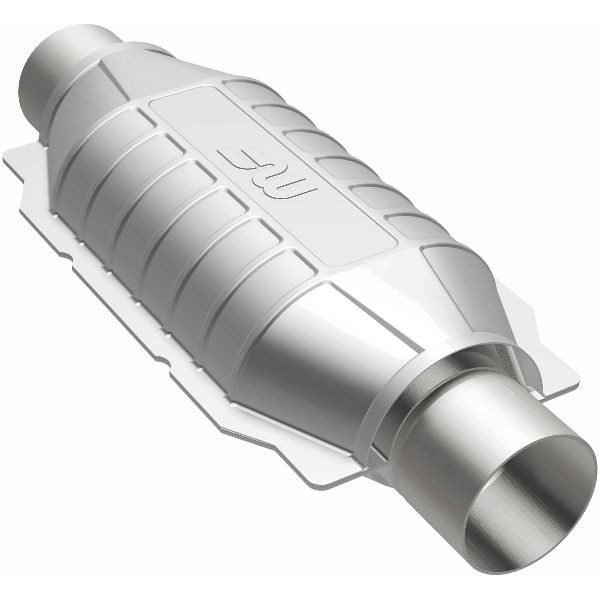
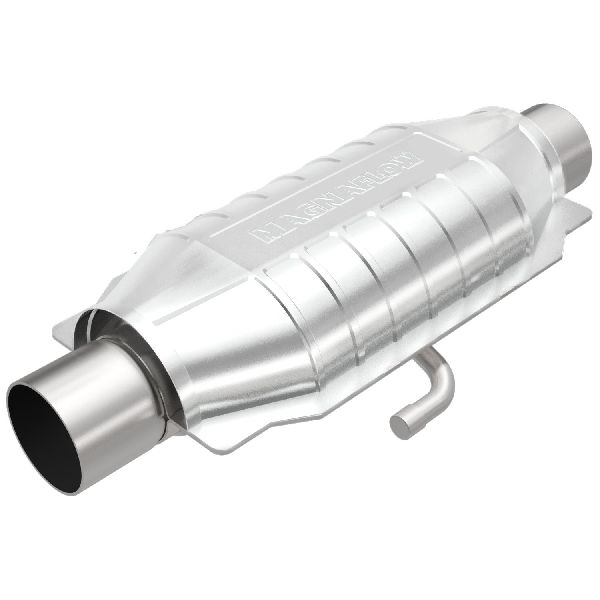
For a vehicle of this age, original GM parts are likely discontinued or extremely difficult to find. Aftermarket converters are the most practical and affordable solution. Most options for the 1975-1981 Impala are "universal fit," meaning they are designed to fit a wide range of vehicles and will require cutting and welding for proper installation.
Aftermarket Brand Tiers
When shopping for a replacement, you'll find several brands available. Here’s an honest breakdown:
- MagnaFlow: Often considered a higher-tier brand, MagnaFlow converters are typically made from stainless steel for better durability and rust resistance. They are known for good performance and may offer a slightly better exhaust flow than stock. They are usually the most expensive aftermarket option.
- Walker Exhaust: Walker is a well-respected name in exhaust parts and is often seen as a reliable, OE-quality equivalent. They focus on proper fit and function for a standard replacement. While some users report rust issues on their other product lines, their converters are generally considered a solid, middle-of-the-road choice.
- Eastern Catalytic: This brand is typically the most budget-friendly option. It provides a functional replacement that will get your car back on the road and passing emissions tests where required. While it may not have the same longevity or stainless steel construction as premium brands, it is a viable choice for those on a tight budget.
Known Issues, Recalls, and Service Bulletins
Searches for recalls and Technical Service Bulletins (TSBs) for the 1975-1981 Chevrolet Impala's catalytic converter did not reveal any specific campaigns for this part. Most recalls for vehicles of this era related to other safety or emissions components. Any issues with the original converter would likely be due to age and normal wear and tear over the last 40+ years.
Frequently Asked Questions
Do I need a direct-fit or universal converter?
For the 1975-1981 Impala, nearly all available aftermarket converters are universal-fit. This means a professional installer will need to cut your old converter out and weld the new one into place. Direct-fit options, which bolt on without modification, are rare for this classic model.
Will a new converter change the sound of my Impala?
A standard replacement from a brand like Walker or Eastern Catalytic should not significantly change your car's sound. A high-flow performance converter from a brand like MagnaFlow might give your exhaust a slightly deeper and more aggressive tone.
Why are some converters so much more expensive?
The cost is largely determined by the amount of precious metals (like platinum and rhodium) used inside the converter and the material of the casing (stainless vs. aluminized steel). More expensive converters from brands like MagnaFlow often use more durable materials and have a higher loading of these metals for better performance and longevity.
Can I replace the catalytic converter myself?
Because replacement on this vehicle typically requires cutting and welding, it is not recommended for most DIY mechanics. The job is best left to a professional exhaust shop with the proper tools and safety equipment. The difficulty comes from dealing with old, rusted exhaust components and the need for fabrication.
Helpful Videos
Technical Specifications
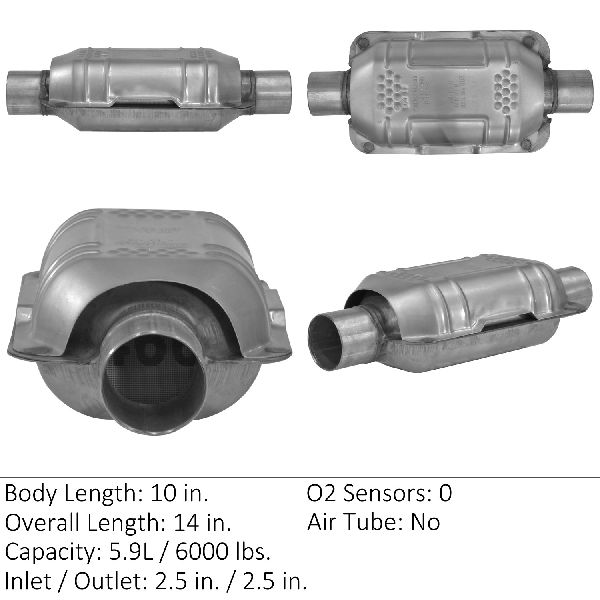
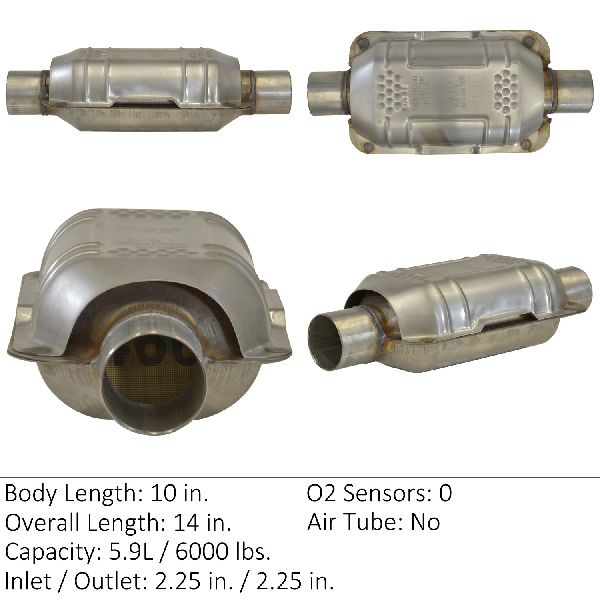
Most replacements for this vehicle are universal-fit, non-CARB compliant converters requiring cutting and welding. Inlet/outlet diameters are typically 2.0", 2.25", or 2.5" depending on the specific engine and exhaust system.
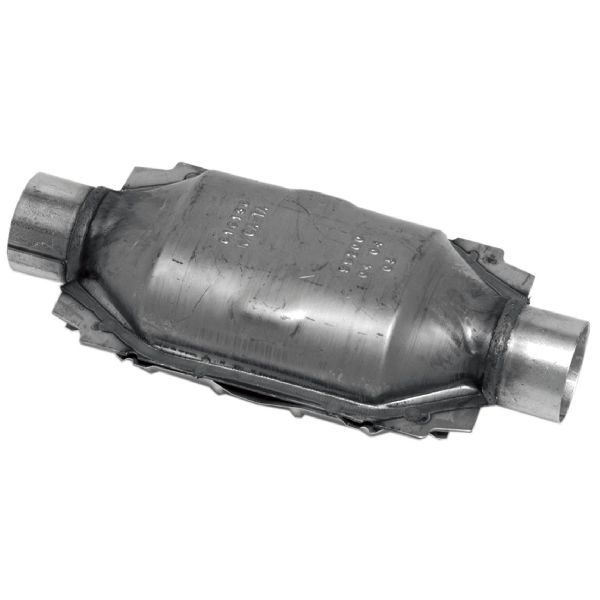
We Have This Part in Stock

The information in this article is provided for general reference and educational purposes only. Vehicle specifications, procedures, and part compatibility can vary by production date, trim level, and region. Always consult your vehicle's factory service manual and verify part numbers before purchasing or performing repairs. Safety-critical components such as airbags, seat belts, and braking systems should be installed by a qualified professional.