

1975-1981 Dodge D100 Radiator Hose Replacement Guide
Keep your classic D100's engine cool and prevent breakdowns by knowing when and how to replace your radiator hoses.
- Regularly inspect your hoses for cracks, bulges, and soft spots, especially on a vehicle of this age.
- If one hose fails, replace both the upper and lower hoses and the clamps at the same time.
- Always confirm your D100's specific engine (e.g., Slant 6, 318 V8) before ordering to ensure you get the correct molded hose.
- Driving with a failed radiator hose can quickly lead to catastrophic engine damage.
Is Your Radiator Hose Failing?
On a classic truck like the 1975-1981 Dodge D100, rubber parts are often the first to go. Radiator hoses live in a tough environment of high heat and pressure. Over time, they will crack, soften, and fail. Ignoring a bad hose can lead to engine overheating and serious, expensive damage. Look for these common signs of failure:
- Coolant Leaks: Puddles of green, yellow, or orange fluid under the front of your truck are a dead giveaway. Coolant has a distinct sweet smell. A leak might come from a crack in the hose or a loose clamp.
- Visible Damage: Check your hoses for cracks, splits, or fraying. Also look for bulges or swollen areas, which indicate the hose is weak and could burst at any moment.
- Spongy or Hard Feel: When the engine is cool, squeeze the hoses. A good hose is firm but flexible. If it feels mushy, spongy, or rock-hard, it's time for a replacement. A soft feel means it's breaking down from the inside.
- Collapsed Hose: The lower radiator hose is under suction from the water pump. If its internal reinforcement fails, it can collapse, cutting off coolant flow and causing rapid overheating. Some original lower hoses had a spring inside to prevent this, but modern aftermarket hoses are typically strong enough not to require one.
- Engine Overheating: If your temperature gauge is climbing into the red, a failing radiator hose is a likely suspect.
Don't Ignore the Signs
A failed radiator hose is not just a leak; it's a ticking clock for your engine. Continuing to drive with a significant coolant leak can lead to a blown head gasket or a seized engine, turning a small repair into a catastrophic failure.
Choosing the Right Aftermarket Hose
For a vehicle from this era, original equipment (OEM) hoses are no longer available. All replacements are aftermarket, but quality is generally very good. Modern hoses are made from EPDM (Ethylene Propylene Diene Monomer) rubber, which is more resistant to heat, oil, and ozone than the original materials. The key is choosing a reputable brand that ensures proper fitment.
- Brand Tiers: Brands like Gates, Dayco, and Continental are all well-regarded manufacturers of cooling system parts. Forum discussions show that most mechanics and DIYers have had good experiences with all three, with Gates often being slightly preferred for fitment and catalog accuracy. Dayco is also a solid choice and is sometimes noted as being slightly thicker. Ultimately, for a simple molded hose on a D100, any of these brands will provide a reliable, long-lasting part.
- Pro Tip: When replacing one hose, it's smart to replace both the upper and lower hoses at the same time. They have been exposed to the same conditions for the same amount of time. Also, inspect your hose clamps. If they are rusty or weak, replace them with new worm-drive style clamps.
Common Ordering Mistakes
Before you buy, double-check your truck's specifications. The biggest mistake is ordering the wrong part for your specific engine. The 1975-1981 D100 was available with several engines (like the Slant 6 and various V8s), and they use different shaped hoses. Always verify your engine size before placing an order.
| Part Type | Estimated Cost |
|---|---|
| New Aftermarket (Per Hose) | $21.09 - $53.31 |
| Shop Labor for Replacement (Both Hoses) | $100 - $200 |
| New OEM | Not Available |
Frequently Asked Questions (FAQ)
Do I need to replace the upper and lower hoses at the same time?
It is highly recommended. Both hoses have aged under the same heat and pressure. If one has failed, the other is likely not far behind. Replacing them together saves you from having to do the job twice.
What kind of coolant should I use in my Dodge D100?
For these classic trucks, a conventional "green" ethylene glycol-based coolant is the standard choice. Always mix it 50/50 with distilled water. This will provide the necessary corrosion protection and freeze/boil-over performance for your engine.
Does my new lower hose need an internal spring?
No. While some original factory hoses had an internal spring to prevent collapse during the assembly line filling process, modern aftermarket hoses are constructed to be strong enough on their own. They will not collapse under the suction of the water pump.
How difficult is it to replace the radiator hoses myself?
This is a great DIY job for a beginner. It requires basic hand tools like a screwdriver or pliers for the clamps and a drain pan. The most important step is to make sure the engine is completely cool before you start, as hot coolant can cause severe burns.
Technical Specifications
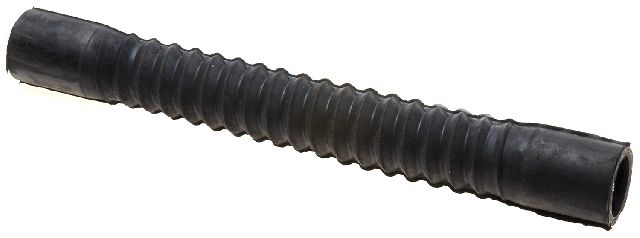
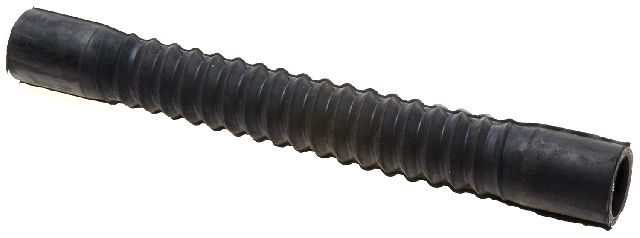
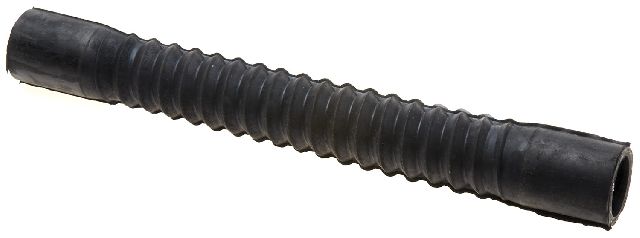
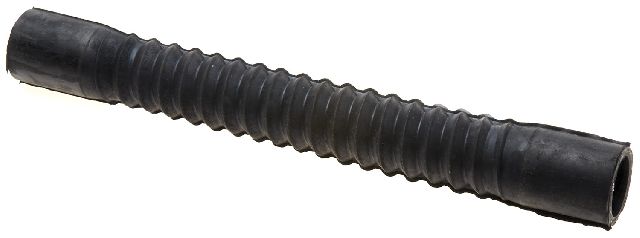
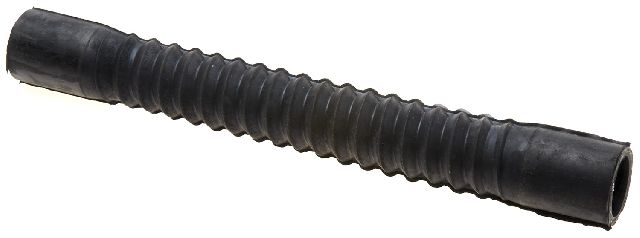
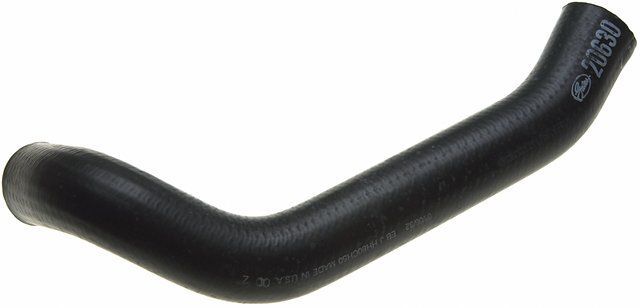
Hoses are vehicle-specific and molded to fit the contours of the engine bay. They are typically made of reinforced EPDM rubber. The primary difference between parts is the engine application (e.g., Slant 6 vs. V8), which dictates the shape and diameter of the hoses.
We Have This Part in Stock

The information in this article is provided for general reference and educational purposes only. Vehicle specifications, procedures, and part compatibility can vary by production date, trim level, and region. Always consult your vehicle's factory service manual and verify part numbers before purchasing or performing repairs. Safety-critical components such as airbags, seat belts, and braking systems should be installed by a qualified professional.