

A/C Compressor Replacement Guide for 1975-1981 Ford F-250
Get your classic Ford's air conditioning blowing cold again by understanding and choosing the right replacement compressor.
- Replacing the compressor on this truck requires deciding between keeping the original York style or upgrading to a modern Sanden style.
- You MUST replace the receiver/drier and expansion valve and flush the system to protect the new compressor and validate its warranty.
- Verify if your truck uses the original R12 refrigerant or has been converted to R134a, as this determines the type of oil needed.
- This is not a simple DIY job; it requires specialized tools like a vacuum pump and gauges, and the law requires professional refrigerant recovery.
Is Your F-250's A/C Compressor Failing?
When the A/C compressor on your 1975-1981 F-250 starts to go, it will give you some clear warning signs. Because these trucks use a large, external clutch, you might notice issues with the clutch or the compressor itself.
- No Cold Air: The most obvious symptom. If the compressor can't pressurize the refrigerant, the system can't cool the air.
- Loud Noises: A failing compressor can make rattling, squealing, or grinding noises when the A/C is turned on. This can be caused by bad internal bearings or a problem with the clutch.
- Visible Leaks: These compressors can leak refrigerant oil. Look for a buildup of grime and dirt on the compressor body, as leaking oil attracts dust.
- Clutch Doesn't Engage: When you turn on the A/C, the outer part of the compressor pulley (the clutch) should click and start spinning with the belt. If it doesn't move, it could be a bad clutch, a blown fuse, or a faulty pressure switch.
Choosing the Right Aftermarket Compressor
For a vintage truck like the '75-'81 F-250, finding a brand-new OEM (Original Equipment Manufacturer) compressor from Ford is highly unlikely. Your realistic options are new aftermarket parts, remanufactured units, or used parts. Given the critical nature of the compressor, a new aftermarket part is often the most reliable choice.
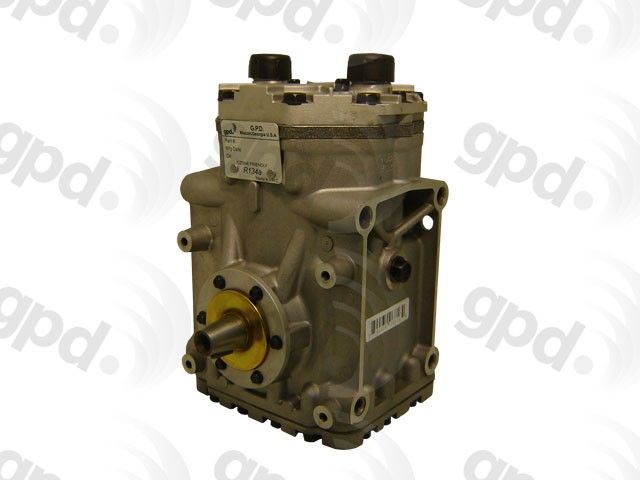
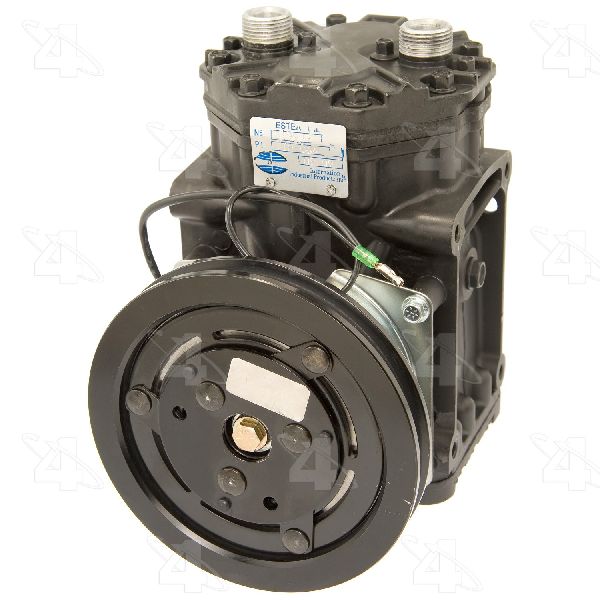
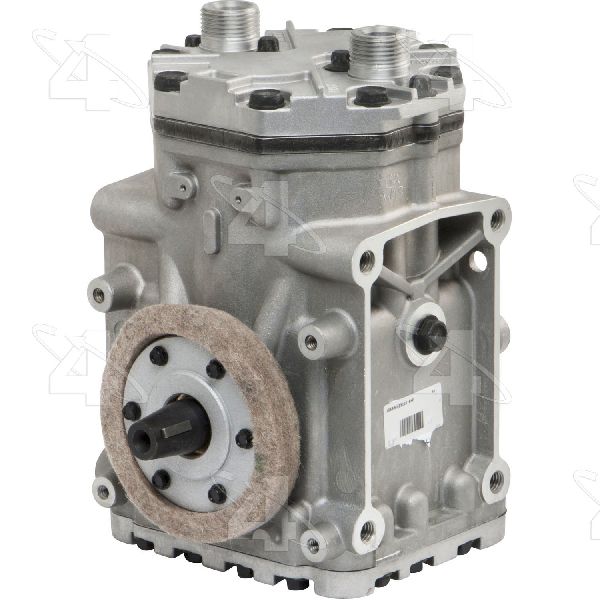
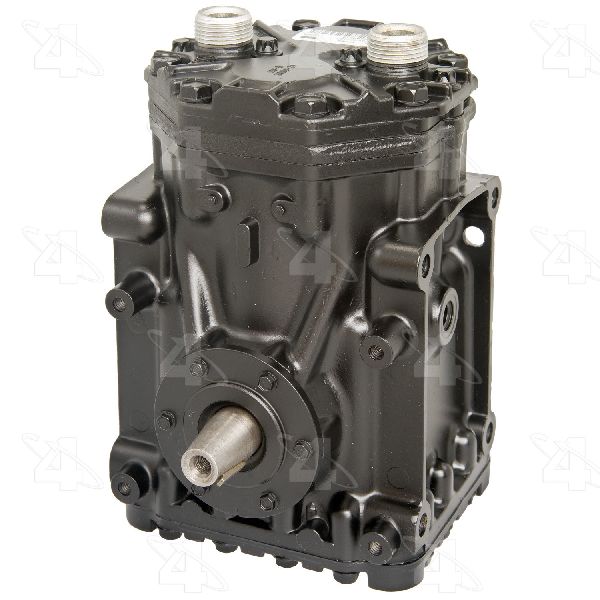
The two main brands available are Four Seasons and Global Parts (GPD). Both are established names in the aftermarket A/C world.
- Four Seasons: Generally considered a trusted brand in the aftermarket industry. Some users have reported success with their new compressors, especially when the entire system is properly flushed before installation. However, like many aftermarket brands, there can be occasional quality control issues with remanufactured units.
- Global Parts (GPD): This is another common aftermarket brand. They often promote that their new compressors are leak-tested and designed to meet original specifications. Some forum discussions show mixed reviews, with some users experiencing premature failures, particularly with the clutch.
Pro Tip: Consider a Sanden-Style Upgrade
Many owners of classic Ford trucks choose to upgrade from the old, heavy York/Tecumseh compressor to a more modern and efficient Sanden-style compressor. These kits often include brackets to mount the new compressor and can provide reliable performance, especially when converting to R134a refrigerant.
Important: R12 vs. R134a Refrigerant
Your 1975-1981 F-250 originally used R12 refrigerant, which is no longer produced and is very expensive. Most likely, your truck has either been converted to the modern R134a refrigerant or it will need to be during the compressor replacement. A proper conversion involves more than just changing the refrigerant; it requires new service port fittings, flushing the system, and using a compatible oil (PAG oil for R134a vs. mineral oil for R12). When replacing the compressor, you MUST use the correct oil for the refrigerant you plan to use.
What to Expect for Costs
The price for a new aftermarket A/C compressor can vary. Below is a general breakdown of what you can expect to pay for the parts and labor.
| Part/Service | Estimated Cost |
|---|---|
| New Aftermarket Compressor | $223 - $398 |
| Remanufactured Compressor | $150 - $250 |
| A/C System Kit (Compressor, Drier, etc.) | $300 - $500+ |
| Shop Labor for Installation & Recharge | $300 - $500 |
Costs are estimates and can vary based on your location, your mechanic's rates, and the specific parts you choose.
Frequently Asked Questions
Do I have to replace other parts with the compressor?
Yes. It is critical to replace the receiver/drier (or accumulator) and the expansion valve any time you replace the compressor. The old drier contains moisture and contaminants that will destroy your new compressor. If the old compressor failed internally, the entire system must be flushed to remove metal debris. Failing to do this will void the warranty on the new compressor and cause it to fail quickly.
What is an A/C compressor clutch?
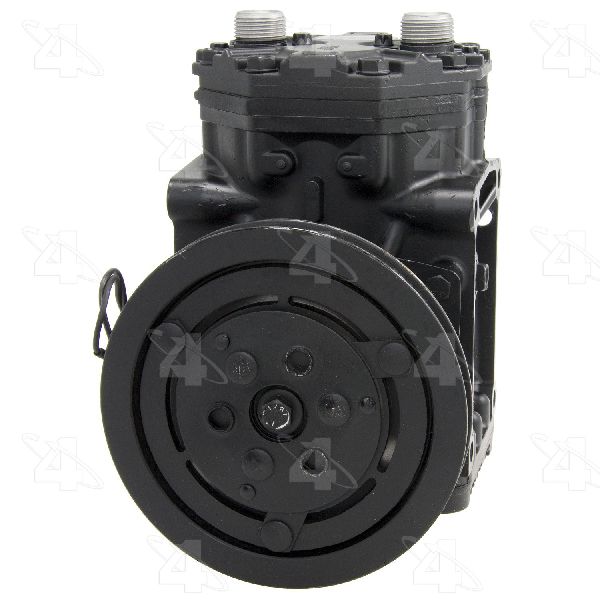
The clutch is an electromagnetically engaged pulley on the front of the compressor. When you turn the A/C on, it locks to the compressor's input shaft, allowing the engine's belt to spin the compressor. Some replacement compressors are sold without a clutch, so you must verify if the part you are buying includes one.
Can I replace the A/C compressor myself?
This job is possible for an experienced DIY mechanic, but it requires special tools. You will need an A/C manifold gauge set to monitor pressures and a vacuum pump to remove all air and moisture from the system before recharging. The refrigerant must also be legally recovered by a certified shop before you begin work. If you are not comfortable with these steps, it is best to leave this job to a professional.
How do I know if my truck has been converted to R134a?
Look at the A/C service ports. Original R12 systems have threaded, screw-on ports. R134a systems use modern quick-disconnect fittings. A properly converted vehicle should also have a sticker under the hood indicating the conversion.
Technical Specifications
Compressor Type: York/Tecumseh Piston Style or Sanden-style upgrade. Clutch Type: V-Belt. Refrigerant: Originally R12, may be converted to R134a. Oil Type: Mineral Oil for R12, PAG 46 for R134a.
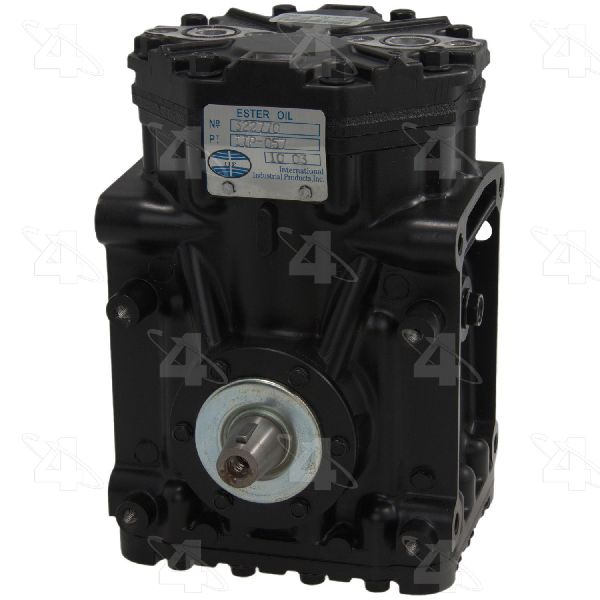
We Have This Part in Stock

The information in this article is provided for general reference and educational purposes only. Vehicle specifications, procedures, and part compatibility can vary by production date, trim level, and region. Always consult your vehicle's factory service manual and verify part numbers before purchasing or performing repairs. Safety-critical components such as airbags, seat belts, and braking systems should be installed by a qualified professional.