

A Guide to the Ported Vacuum Switch for the 1975-1981 Pontiac Firebird
Understand this critical, often misunderstood, part to keep your Firebird's engine running cool and performing its best.
- The Ported Vacuum Switch is critical for preventing your Firebird's engine from overheating at idle.
- You MUST match your new switch to the old one by counting the number of vacuum ports.
- A new aftermarket switch from Standard Ignition is a reliable and high-quality replacement for unavailable OEM parts.
- Symptoms of failure include rough idle, overheating in traffic, and hissing noises from the engine bay.
Why a Small Switch is a Big Deal for Your Firebird
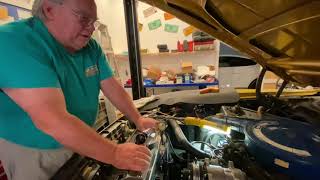
On a classic second-generation Firebird, the Ported Vacuum Switch (PVS) is a key player in the emissions and engine control system. Many of these cars have had their vacuum systems modified or disconnected over the years, leading to confusion. However, a properly functioning PVS is essential for correct engine operation, preventing overheating, and passing emissions tests. 🎬 Watch: How these thermal vacuum switches behave and are tested A bad switch can cause vacuum leaks, leading to a rough idle, stalling, and poor performance.
Symptoms of a Failing Ported Vacuum Switch
Because the PVS controls vacuum, a failure can show up in several ways. Look out for these common signs:
- Rough or Unstable Idle: A broken or cracked switch can create a vacuum leak, causing the engine to idle poorly or hunt for a steady RPM.
- Engine Overheating in Traffic: One of the switch's main jobs is to help the engine cool itself at idle. If it fails, you might notice the temperature gauge climbing when you're stopped.
- Poor Performance and Fuel Economy: Incorrect vacuum supply to the distributor advance can result in sluggish performance and wasted fuel.
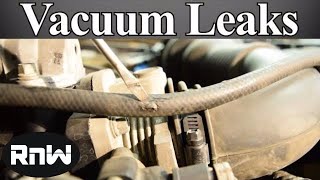
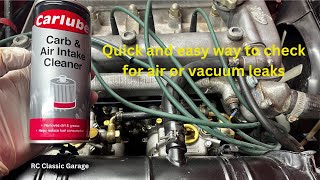
- Hissing Noise: A cracked switch or loose vacuum line can often be heard as a distinct hissing sound coming from the engine bay. 🎬 See how to quickly test your engine for vacuum leaks
- Failed Emissions Test: The PVS is an emissions control device. If it's not working, your Firebird may not pass a smog check.
Common Ordering Mistake
There are at least 9 different Ported Vacuum Switches available for the 1975-1981 Firebird. They differ by the number of vacuum ports (2, 3, 5, or more), thread size, and temperature rating. Before you order, you must physically check the switch on your car. Count the number of ports and note any colors or numbers stamped on the original part to ensure you get an exact match.
Choosing Your Aftermarket Part: Standard Ignition
For a vehicle from this era, finding New Old Stock (NOS) OEM parts is nearly impossible, and any you find may have degraded from age. The most reliable option is a new aftermarket part. Standard Motor Products (SMP), the manufacturer of the Standard Ignition brand, has been making quality ignition and engine management components for decades. Forum members and mechanics often trust Standard as a top-tier aftermarket brand that produces parts meeting or exceeding original specifications, often using durable materials like brass and high-temperature plastics. For your Firebird, a Standard Ignition PVS is a dependable and readily available choice.
| Part Type | Estimated Cost |
|---|---|
| New Aftermarket (Standard Ignition) | $45.84 - $86.51 |
| Shop Labor | $50 - $100 |
| New OEM | Generally unavailable |
| Used OEM | Varies, not recommended due to age |
Pro Tip: Take a Picture
Before you remove the old switch, take a clear photo with your phone showing how all the vacuum lines are connected. Vacuum routing on these cars can be confusing, and a photo is the best reference to ensure everything goes back in the right place.
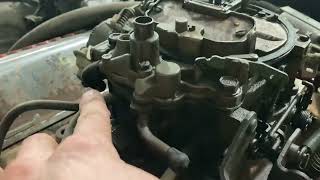
🎬 Watch: A detailed guide to Firebird vacuum and fuel line routingFrequently Asked Questions (FAQ)
Can I just bypass the Ported Vacuum Switch?
While some owners do, it's not recommended. Bypassing the switch can disable its critical anti-overheating function, which could lead to engine damage on a hot day. It can also cause drivability problems and prevent the engine from running as designed.
Where is the Ported Vacuum Switch located on my Firebird?
It is typically threaded into a water passage on the intake manifold, often near the thermostat housing at the front of the engine. You will see several small vacuum hoses connected to it.
Why are there so many different versions of this switch?
The number of ports and temperature rating depended on your Firebird's specific engine (V6, 301, 350, 400), transmission, and original emissions package (California or Federal). Each configuration required a unique vacuum routing strategy.
Are there any recalls for the Ported Vacuum Switch on my Firebird?
No. A search of the National Highway Traffic Safety Administration (NHTSA) database shows no recalls or specific technical service bulletins for the ported vacuum switch on 1975-1981 Pontiac Firebirds.
Helpful Videos
Technical Specifications
OEM Part Numbers: 3016754 1230500 3030975 419591
Varies by application. Made of brass and high-temperature plastic. Available with 2, 3, 5, or 6 ports. Thread size is typically 1/2" - 14 NPT.
We Have This Part in Stock


The information in this article is provided for general reference and educational purposes only. Vehicle specifications, procedures, and part compatibility can vary by production date, trim level, and region. Always consult your vehicle's factory service manual and verify part numbers before purchasing or performing repairs. Safety-critical components such as airbags, seat belts, and braking systems should be installed by a qualified professional.