

Chevrolet G20 Alternator Replacement Guide (1975-1982)
Keep your classic G20 van's electrical system reliable by choosing the right new alternator.
- Before replacing the alternator, always check for a loose/worn belt and inspect the battery cables and wiring harness for corrosion or damage.
- Symptoms like dim lights, a battery warning light, or a whining noise are strong indicators of a failing alternator.
- For reliability, a new unit from a premium brand like Bosch or a standard brand like Remy is a safe bet for a stock G20.
- If you buy a remanufactured or economy part, consider purchasing from a local store with a lifetime warranty for easier exchanges if the part is faulty.
Is Your G20's Alternator Failing?
An alternator rarely fails without warning. For a 1975-1982 Chevy G20, the signs are usually straightforward. Recognizing them early can prevent you from getting stuck with a dead battery.
- Dimming or Flickering Lights: Headlights and dashboard lights that pulse, dim at idle, or seem weak are a classic symptom. This indicates the alternator can't provide consistent voltage.
- Battery Light: Your dashboard might have a "GEN" or "ALT" light, or a light shaped like a battery. If this light comes on while driving, it's a direct warning that the charging system has a problem.
- Whining or Grinding Noises: A high-pitched whine or a grinding sound from the engine bay that changes with engine RPM often points to failing bearings inside the alternator.
- Dead Battery: If your battery keeps dying, even after being fully charged, the alternator is the most likely culprit because it's not recharging the battery as you drive. 🎬 Watch: See these common alternator failure symptoms in action.
Check the Simple Things First
Before you buy a new alternator, check the basics. A loose or worn-out fan belt can cause squealing and prevent the alternator from spinning correctly, leading to a lack of charging. Also, inspect the wiring. On these older vans, the main power wire and the smaller "exciter" wire can become corroded or break, which will stop the alternator from charging.
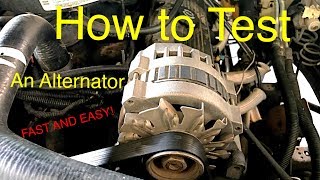
🎬 Watch: A fast and simple way to test your alternator.Choosing the Right Aftermarket Alternator
For a vintage vehicle like the G20, a "new OEM" part isn't available. You'll be choosing from new aftermarket or remanufactured parts. Aftermarket quality has a wide range, but even budget-friendly options can be reliable for this simple application. The key is choosing a reputable brand.
Brand Quality Tiers for Your G20
Based on owner experiences and general reputation, here's how the available brands stack up:
- Premium Brands (Highest Trust): These brands are known for quality components and testing, making them a solid choice for reliability.
- Bosch: Widely regarded as a top-tier choice for both new and remanufactured electrical parts. Forum users frequently report good longevity and reliability.
- Powermaster: Specializes in high-output alternators. If you've added accessories like a powerful stereo, extra lights, or camping equipment, a Powermaster unit provides the extra amperage you need.
- Standard Brands (Good Value): These brands offer a balance of quality and price. They are often the same units sold at major auto parts stores.
- Remy (New): Delco Remy was the original supplier for GM. While some recent reports on remanufactured units are mixed, a new Remy alternator is generally considered a dependable, stock-replacement-quality part.
- MPA (Quality-Built): As a major North American supplier, MPA is known for its testing process, and their parts are a common sight in professional repair shops.
- Economy Brands (Budget-Focused): These brands can be hit-or-miss but may offer a good value, especially if backed by a strong warranty.
- BBB Industries: A massive remanufacturer that supplies parts for many store brands like NAPA. Quality can vary, so buying from a local store with an easy warranty exchange is a smart move.
- WAI Global: Reviews are mixed. Some users have had no issues, while others report whining noises or output that doesn't match the advertised specs. They claim to test every new unit before shipping.
- Proform: Generally known for performance engine accessories, with less specific feedback available for standard replacement alternators.
A Note on Remanufactured Parts
While remanufactured alternators are cheaper, their quality can be inconsistent across all brands. A "reman" part has had its wearable components replaced, but not all components are new. It's common for even reputable brands to have a higher failure rate on remanufactured units compared to their 100% new counterparts. Many owners recommend buying from a local parts store with a lifetime warranty for easy exchanges.
Typical Costs for a 1975-1982 G20 Alternator
| Part Type | Estimated Cost |
|---|---|
| New Aftermarket | $55 - $263 |
| Shop Labor | $120 - $250 |
Frequently Asked Questions (FAQ)
Is replacing the alternator on a G20 a DIY job?
Yes, for most people with basic hand tools. The process involves loosening the belt, removing a few bolts, and swapping the electrical connections. Access can be tight, and you may need to work from inside the van by removing the engine cover, but it's a straightforward repair.
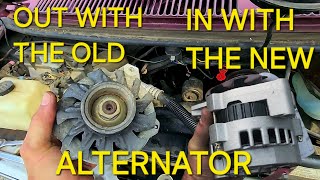
🎬 See this walkthrough of a G20 conversion van alternator swap.Do I need a high-output alternator?
Only if you have added significant electrical accessories. For a stock van, the standard output (usually around 63 amps for this era) is perfectly fine. If you have a large sound system, inverter, or other power-hungry gear, upgrading to a high-output unit from a brand like Powermaster is a good idea to avoid draining your battery.
What is a "1-wire" vs. "3-wire" alternator?
Your original G20 alternator is a "3-wire" setup. It has the main battery wire and a 2-wire plug for the ignition (exciter) and voltage sensing. Some aftermarket alternators are "1-wire," meaning they only need the main battery cable connected. While simpler to wire, a 3-wire setup is generally better because it allows the dashboard warning light to function and provides more accurate voltage sensing. For a stock replacement, stick with the 3-wire design.
Why did my new alternator fail right away?
First, confirm the alternator is actually bad. A loose belt or bad wiring can mimic a failed alternator. Second, new parts can sometimes be defective out of the box, which is why a good warranty is important. Finally, a bad battery with an internal short can overwork and destroy a new alternator very quickly. Always have your battery tested when replacing the alternator.
Helpful Videos
Technical Specifications
OEM Part Numbers: 1100550 1100551 1102483 1102882
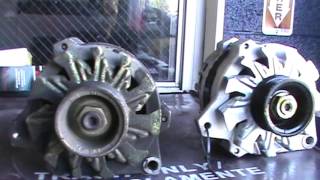
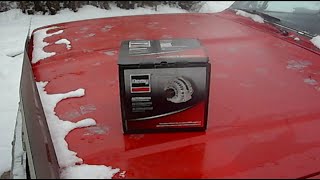
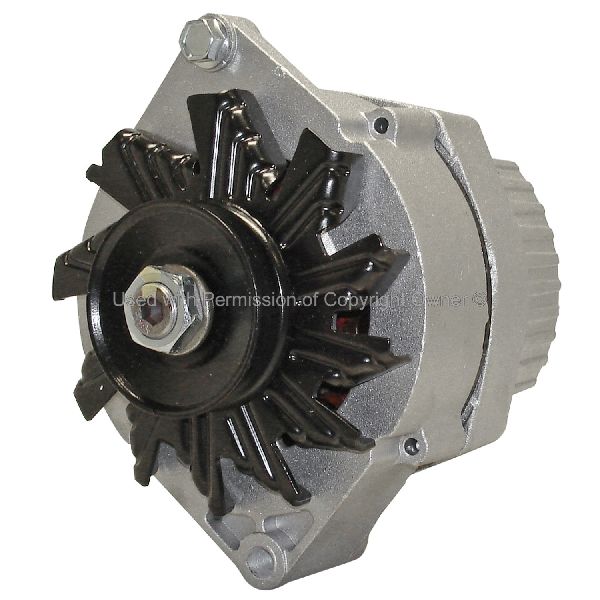
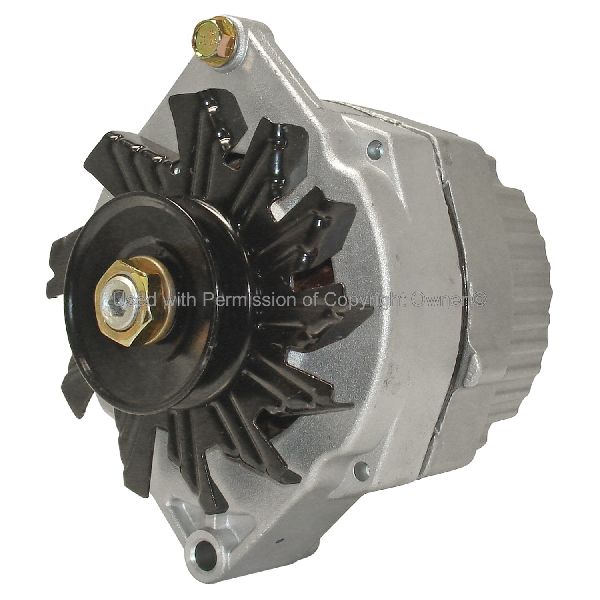
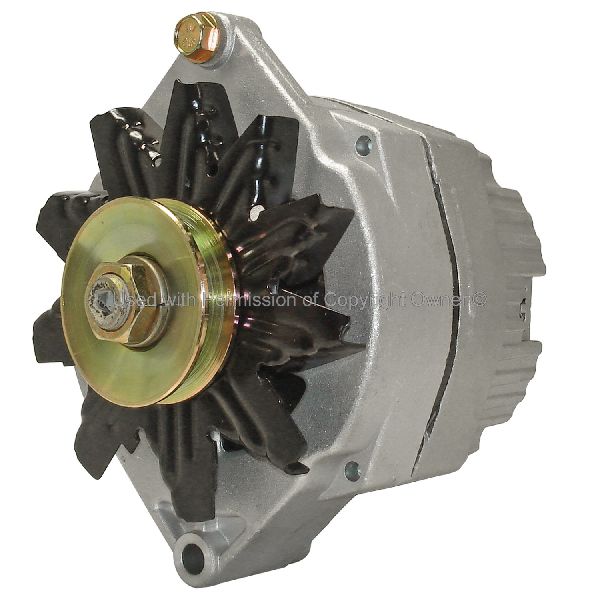
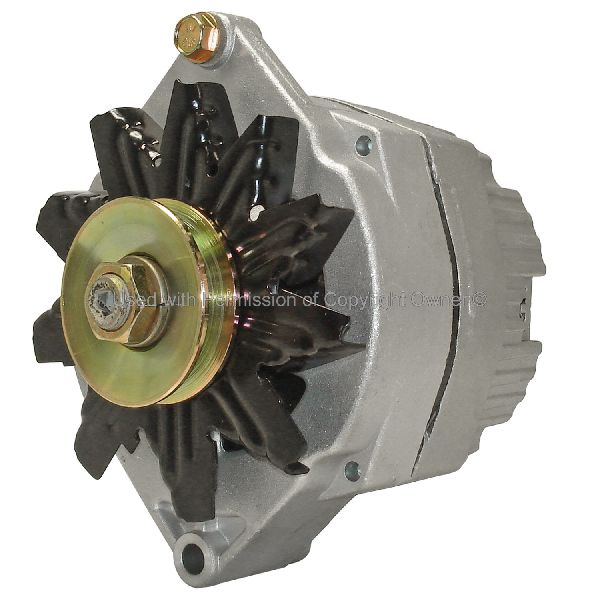
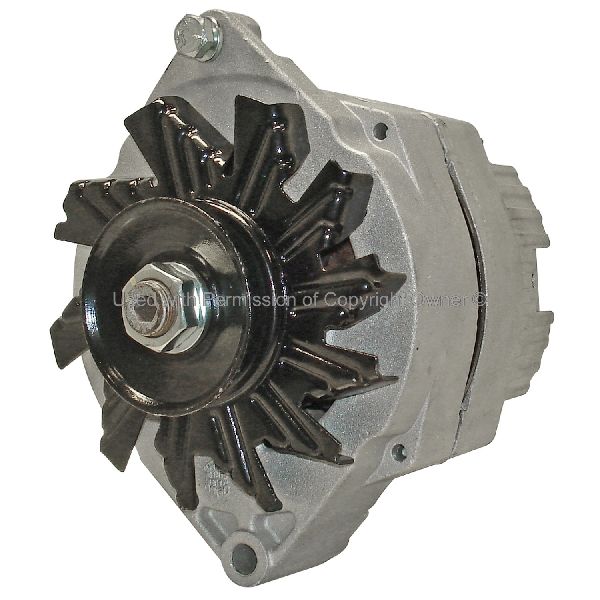
The standard alternator for this generation is a Delco-Remy 10SI series, which is an internally regulated, 3-wire alternator. Standard output is typically 63 amps, though lower and higher amperage versions were available.
We Have This Part in Stock

The information in this article is provided for general reference and educational purposes only. Vehicle specifications, procedures, and part compatibility can vary by production date, trim level, and region. Always consult your vehicle's factory service manual and verify part numbers before purchasing or performing repairs. Safety-critical components such as airbags, seat belts, and braking systems should be installed by a qualified professional.