

Choosing the Right Spark Plugs for Your 1975-1982 Chevrolet LUV
Keep your LUV's 1.8L engine running smoothly with the correct set of new aftermarket spark plugs.
- Standard copper spark plugs from brands like NGK, Denso, or ACDelco are the best value for the LUV's 1.8L engine.
- Expensive iridium or platinum plugs are not necessary for stock performance and are optional for longer life.
- Always check and adjust the spark plug gap before installation; it should be 0.035" for 1975-80 and 0.040" for 1981-82.
- Replacing spark plugs is a very easy DIY job on this truck that requires only basic tools.
Signs of Failing Spark Plugs in a Chevy LUV
The ignition system on the 1975-1982 LUV is straightforward, making it easy to spot problems. Worn or fouled spark plugs can cause a variety of noticeable issues. If you experience any of these, your spark plugs are a good first place to check.
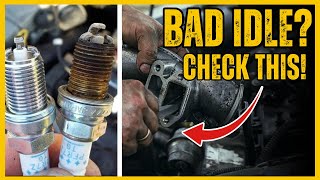
- Rough Idle: The engine may shake or vibrate more than usual when stopped. This happens because 🎬 Watch this guide to troubleshooting common causes of rough idling. a weak spark is causing incomplete combustion in one or more cylinders.
- Hesitation or Sputtering: When you press the gas pedal, the truck might hesitate, buck, or sputter before accelerating. This is a common sign of a misfire under load caused by a worn plug.
- Reduced Power: Your LUV might feel sluggish and struggle to get up hills. A failing spark plug can't efficiently burn the fuel, leading to a loss of horsepower.
- Poor Fuel Economy: If you're filling up the tank more often, bad spark plugs could be the cause. The engine has to work harder and use more fuel to make up for the weak spark.
- Difficulty Starting: While many things can cause a no-start issue, worn-out spark plugs that can't create a strong enough spark are a possible culprit.
Choosing the Right Aftermarket Spark Plugs
The 1.8L engine in the Chevy LUV is a reliable workhorse that does not require expensive, high-performance spark plugs. The original plugs were standard copper-core types, and for most owners, these are still the best and most economical choice.
Spark Plug Brand Tiers for Chevrolet LUV
| Tier | Brands | Description & Notes |
|---|---|---|
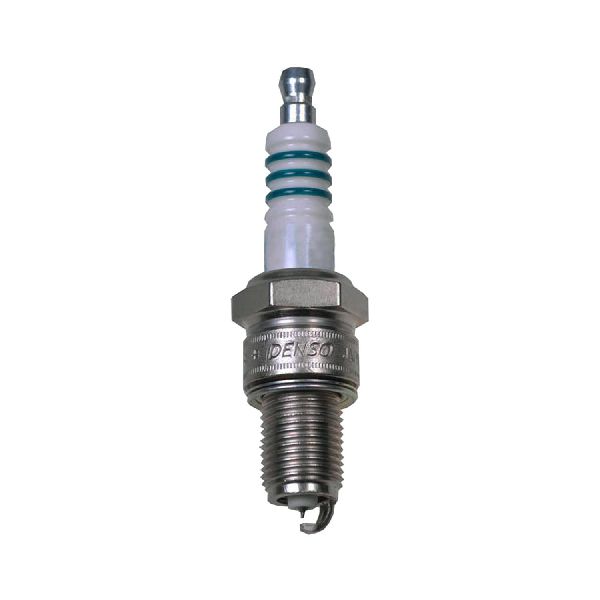
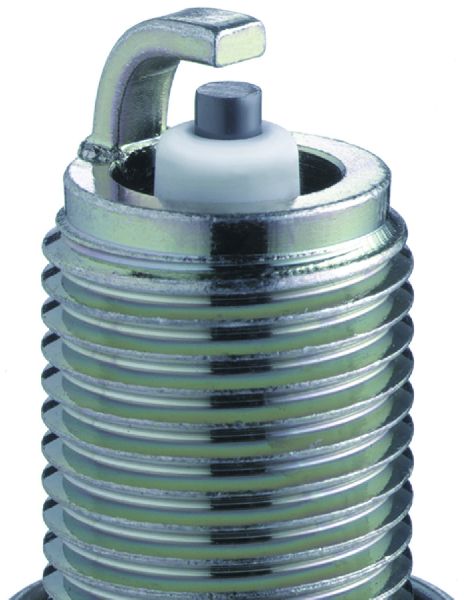
| Excellent / OEM-Quality | NGK, Denso | Since the LUV's engine is made by Isuzu, Japanese brands like NGK and Denso are often considered the best match. They are known for excellent quality control and reliable performance. The NGK V-Power and Denso U-Groove are popular, affordable choices that work very well in these trucks. |
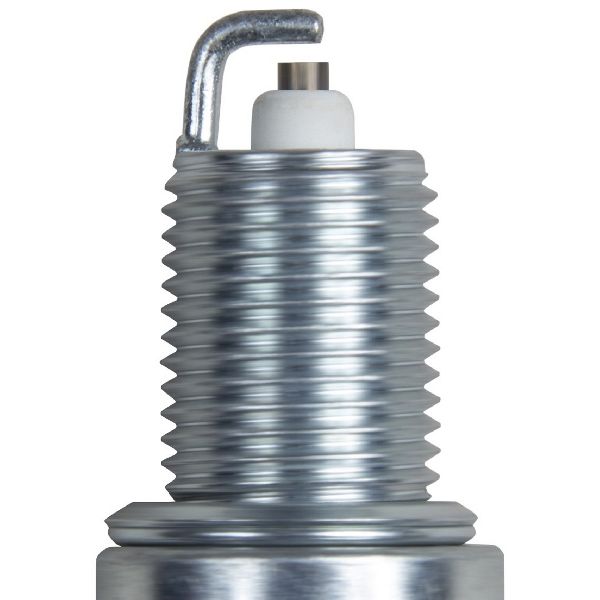
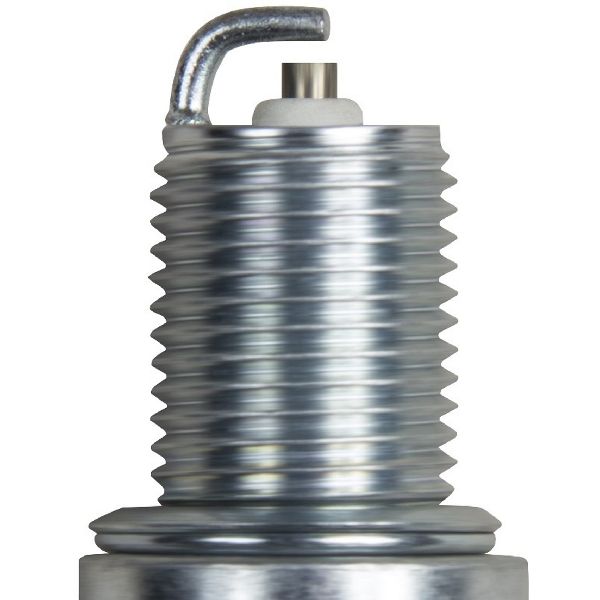
| Good / Standard Replacement | ACDelco, Autolite, Champion | These are all reputable American brands. ACDelco is GM's own parts brand and is a solid choice. Autolite and Champion offer dependable, budget-friendly copper plugs that meet or exceed original specifications and are perfectly suitable for the LUV's engine. |
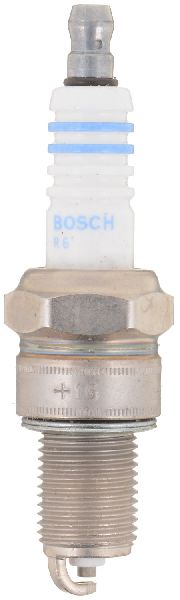
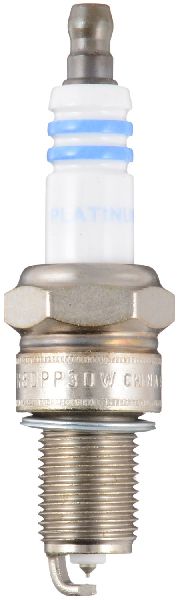
| Premium / Long-Life (Optional) | Bosch, Iridium/Platinum versions of other brands | Plugs made with precious metals like platinum or iridium (such as Bosch Platinum, NGK Iridium IX, or Denso Iridium Power) are available and will last much longer than copper plugs. However, they are significantly more expensive and provide no noticeable performance benefit in a stock LUV engine. They are an option if you want to extend the time between changes, but not a necessity. |
A Note on Spark Plug Gap
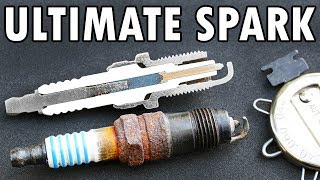
Always check the spark plug gap before installation, even if the box says they are "pre-gapped." The correct gap is critical for performance. Use a feeler gauge or gap tool to ensure the measurement is correct. 🎬 Follow this ultimate guide for a successful DIY spark plug replacement. For the 1975-1980 LUV, the gap is typically 0.035 inches. For 1981-1982 models, it is often 0.040 inches. Always confirm with a service manual for your specific year and ignition system.
DIY Replacement & Costs
Replacing the spark plugs on a 1975-1982 LUV is a simple job that most owners can do themselves with basic tools. The four plugs are located on the top of the engine and are easy to access.
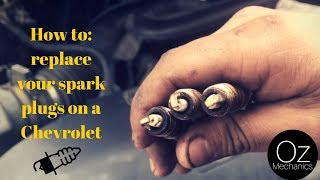
🎬 See how to replace spark plugs on a Chevrolet engine.Installation Pro-Tip
When installing new plugs, always start threading them by hand to avoid cross-threading the cylinder head. Tighten them until they are snug, then give them about a 1/8 to 1/4 turn with a ratchet. Do not overtighten.
| Part Type | Cost Range (Set of 4) |
|---|---|
| New Aftermarket (Copper) | $14 - $25 |
| New Aftermarket (Platinum/Iridium) | $35 - $65 |
| Shop Labor | $50 - $100 |
Frequently Asked Questions
Do I need special tools to change my spark plugs?
You will need a ratchet, a spark plug socket (usually 13/16" for these trucks), and an extension. A spark plug gap gauge is also essential to ensure the gap is correct before installation.
Are expensive iridium spark plugs worth it for my LUV?
For a stock 1.8L engine, expensive iridium or platinum plugs offer no real performance advantage over standard copper plugs. Their main benefit is a longer service life. Given the low cost of copper plugs and the ease of replacement, most owners stick with the standard, more affordable option.
How often should I change the spark plugs?
For standard copper spark plugs, a good interval is every 15,000 to 30,000 miles, or as part of a regular tune-up. If you notice any performance issues like a rough idle or hesitation, it's a good idea to check them.
Were there any recalls or TSBs for LUV spark plugs?
No recalls or Technical Service Bulletins (TSBs) were found related to the spark plugs on the 1975-1982 Chevrolet LUV. This is a standard maintenance part with no widespread factory issues.
Helpful Videos
Technical Specifications
Spark Plug Gap (1975-1980): 0.035 in. Spark Plug Gap (1981-1982): 0.040 in. Socket Size: 13/16 inch Thread Reach: 19mm Engine: 1.8L 4-Cylinder (Isuzu G180Z)
We Have This Part in Stock

The information in this article is provided for general reference and educational purposes only. Vehicle specifications, procedures, and part compatibility can vary by production date, trim level, and region. Always consult your vehicle's factory service manual and verify part numbers before purchasing or performing repairs. Safety-critical components such as airbags, seat belts, and braking systems should be installed by a qualified professional.