

A Ford Granada Owner's Guide to Catalytic Converter Replacement (1975-1982)
Keep your classic 1975-1982 Granada running clean and passing inspections with the right catalytic converter.
- Your 1975-1982 Granada requires a catalytic converter by federal law.
- Symptoms of failure are physical (rattling, smell, power loss) as this car has no check engine light for this system.
- Aftermarket is the only option; MagnaFlow is a premium choice, Walker is a standard replacement, and AP/Eastern are budget brands with potential fitment issues.
- Before ordering, check if your engine has one or two converters, as some early V8s only had one.
Symptoms of a Failing Catalytic Converter
On a Ford Granada from this era, you won't have a "Check Engine" light pointing you to the problem. You need to rely on physical signs. Look out for these common symptoms of a failing catalytic converter.
- Rattling Noise: If you hear a rattling or metallic shaking sound from under the car, it's a strong sign the ceramic honeycomb inside the converter has broken apart. This is a common failure due to age and heat cycles.
- Rotten Egg Smell: A strong smell of sulfur or rotten eggs from the exhaust pipe means the converter is no longer effectively processing the exhaust gases. This is unburned fuel and sulfur compounds getting through.
- Loss of Power: If your Granada feels sluggish, hesitates during acceleration, or struggles to get up to speed, the converter could be clogged. This blockage creates backpressure, which chokes the engine and prevents it from breathing properly.
- Poor Fuel Economy: When the engine has to work harder to push exhaust through a clogged converter, it burns more fuel. If you're filling up more often, a bad converter could be the culprit.
- Excessive Heat: A clogged converter can trap an extreme amount of heat, sometimes causing the floor pan above it to get very hot or even making the converter itself glow red after a long drive. This is a serious condition that can be a fire hazard.
Choosing the Right Aftermarket Converter
Finding a new original Ford (OEM) catalytic converter for a 1975-1982 Granada is nearly impossible. Aftermarket parts are your only practical option. These parts come in two main types: direct-fit and universal. A direct-fit converter is designed to bolt right into your specific model and engine combination, while a universal converter requires cutting and welding to fit. For a classic car, a direct-fit part is usually the easier choice if available.
The brands available offer different levels of quality and price:
| Brand Tier | Brands | Assessment |
|---|---|---|
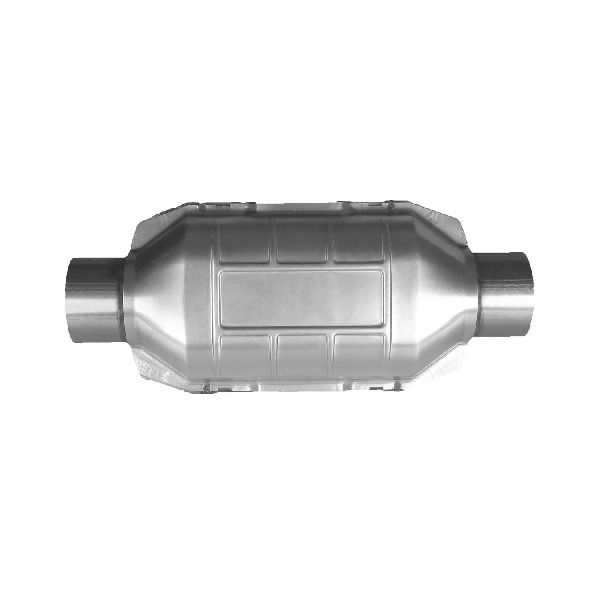
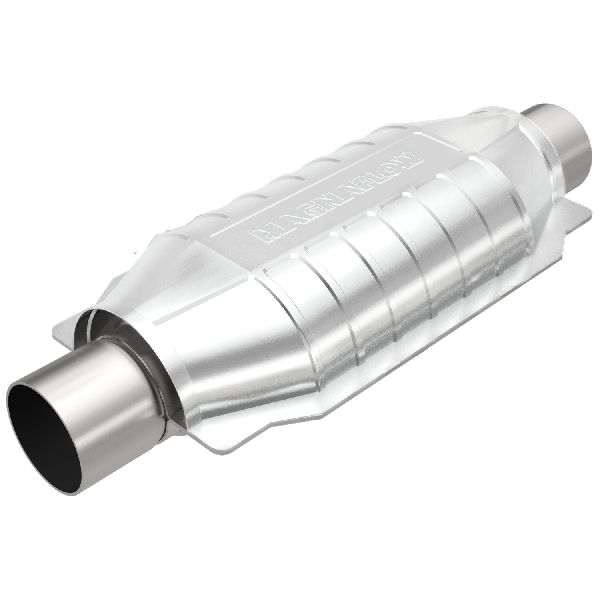
| Performance / Premium | MagnaFlow, MagnaFlow Performance Exhaust | Generally considered the highest quality option with good performance and longevity. They are often made with better materials and construction but come at a higher price. |
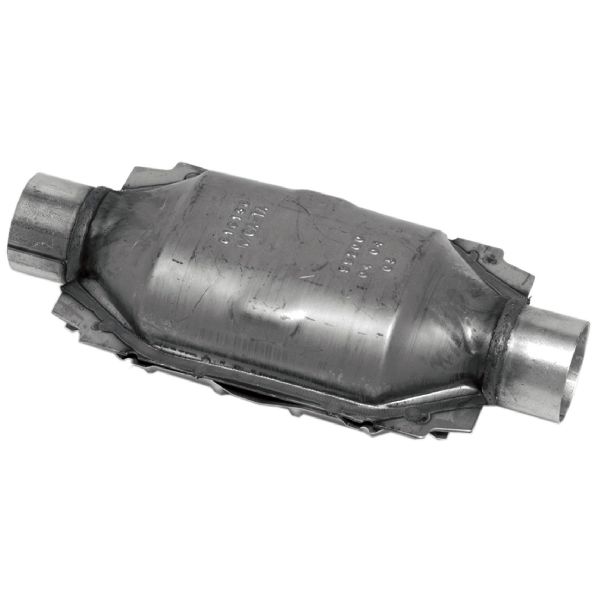
| Standard Replacement | Walker Exhaust | A well-known, mid-range brand that offers a balance of price and quality. It's a reliable choice for a standard replacement, though some users report they may not last as long as premium options. |
| Budget | AP Exhaust, Eastern Catalytic | These are budget-friendly options. However, some users have reported issues with poor fitment, requiring modifications to install, and a shorter lifespan compared to other brands. |
Pro Tip: Check Your V8! Some early 1975 Ford V8 models, in an effort to save costs, may have left the factory with only one catalytic converter on one side of the engine. Before ordering, visually inspect your exhaust system to confirm if you have one converter or two.
Estimated Replacement Costs
The cost to replace the catalytic converter on your Granada will depend on the part you choose and local labor rates. The parts themselves for this vehicle are relatively affordable.
| Item | Estimated Cost |
|---|---|
| New Aftermarket Part | $84.05 - $560.00 |
| Shop Labor | $100 - $260 (estimated 1-2 hours at $100-$130/hr) |
| Total Estimated Cost | $184.05 - $820.00 |
Frequently Asked Questions (FAQ)
Does my 1975-1982 Granada legally need a catalytic converter?
Yes. Federal law requires that if a vehicle was manufactured with a catalytic converter, it must have one to be legally driven on public roads. All Ford Granadas from 1975-1982 were originally equipped with them. While some states have emissions testing exemptions for classic cars, the federal requirement to have the part installed remains.
What's the difference between a universal and direct-fit converter?
A direct-fit converter is designed to be a bolt-on replacement for your Granada's specific engine and year, making installation much simpler. A universal converter is a generic part that requires a mechanic to cut your exhaust pipe and weld the new converter in place. While universals can be cheaper, the extra labor can offset the savings.
Can a bad converter damage my engine?
Yes. A severely clogged catalytic converter creates significant exhaust backpressure. This can cause the engine to run poorly, overheat, and in extreme cases, lead to internal engine damage. It's important to address a clogged converter to avoid more expensive repairs down the road.
Why would my Granada V8 only have one catalytic converter?
To meet the new 1975 emissions standards on a budget, Ford sometimes used a workaround on their V8 cars. They would only install a catalytic converter on one cylinder bank, leaving the other to exit without one. While this seems strange today, it was a factory configuration on some models. Always check your specific car's setup before buying parts.
Technical Specifications
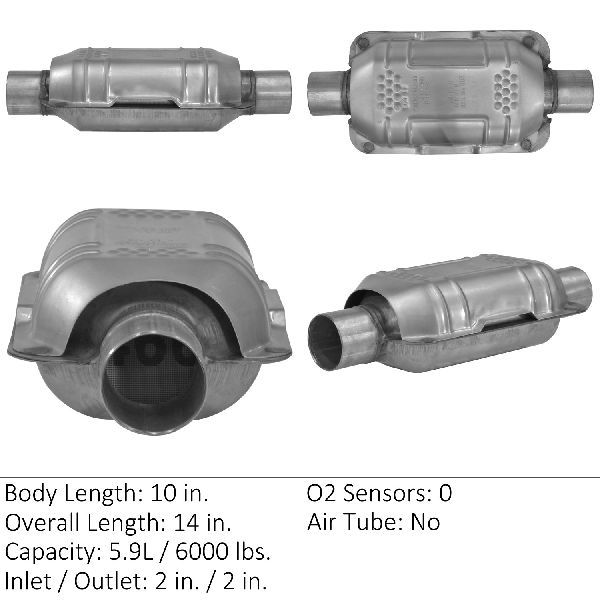
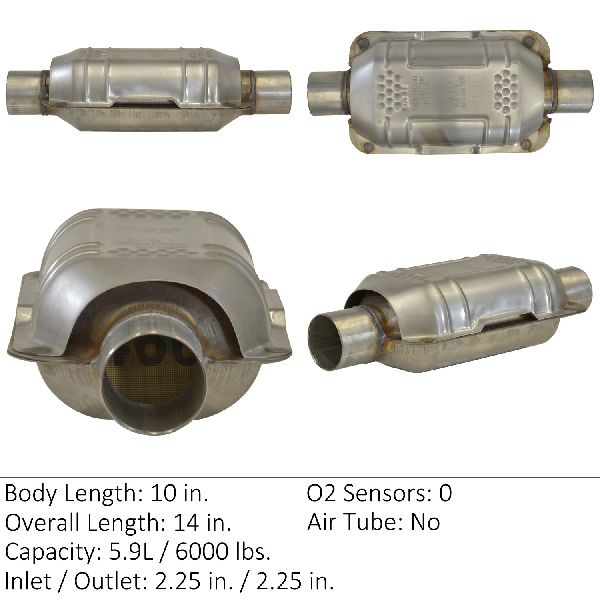
Specifications such as pipe diameter, length, and inlet/outlet configuration vary by the specific year, engine (I6 or V8), and aftermarket brand. Direct-fit converters are designed to match original dimensions. Universal converters require modification. No oxygen sensor ports are present on these models.
We Have This Part in Stock

The information in this article is provided for general reference and educational purposes only. Vehicle specifications, procedures, and part compatibility can vary by production date, trim level, and region. Always consult your vehicle's factory service manual and verify part numbers before purchasing or performing repairs. Safety-critical components such as airbags, seat belts, and braking systems should be installed by a qualified professional.