

Ford Granada Speedometer Cable: A Complete Guide (1975-1982)
If your speedometer needle is jumping or your speed is off, it's likely time for a new speedometer cable.
- A jumping, noisy, or dead speedometer needle on a 1975-1982 Granada is most often caused by a bad speedometer cable.
- Standard replacement brands like ATP and Pioneer offer an affordable, direct-fit solution.
- For custom or high-performance applications, Lokar provides a premium, cut-to-fit cable.
- Replacement is a simple DIY job that can be completed in about an hour; pre-lubricating the new cable is recommended.
Is Your Speedometer Acting Up?
For a classic car like the 1975-1982 Ford Granada, the speedometer system is straightforward and mechanical. The most common point of failure is the speedometer cable itself. Over decades of use, the inner cable can get kinked, break, or run out of lubrication, causing problems with your speed reading. Common symptoms include a speedometer needle that jumps around, makes a whining or squeaking noise, or doesn't move at all.
Common Failure Symptoms
| Symptom | What it Looks/Sounds Like |
|---|---|
| Wavering or Jumping Needle | The speedometer needle bounces around, especially at a steady speed. It might jump between 40 and 50 mph even if your speed isn't changing. |
| No Speed Reading | The needle stays at 0 mph no matter how fast you are going. This usually means the cable has completely broken. |
| Squealing or Whining Noise | You may hear a high-pitched noise coming from behind the dashboard. This is often caused by a dry or binding cable rubbing inside its housing. |
Choosing the Right Aftermarket Speedometer Cable
Since original Ford parts for the Granada are long discontinued, you will be looking at aftermarket replacements. The good news is that these are affordable and readily available. For this vehicle, you have a few brand choices that fall into different categories.
Brand Tiers for Your Granada
- Standard Replacement (Pioneer, ATP): Brands like Pioneer and ATP offer direct-fit replacement cables that are designed to meet original equipment (OE) specifications. They are a budget-friendly and reliable choice for a daily driver or standard restoration. Reviews suggest they are a good value, though some owners recommend adding extra lubricant to the cable before installation to ensure smooth, quiet operation. Be sure to verify the length and end-fitting types, as some may be universal-fit and could be longer than necessary.
- Premium/Custom (Lokar): Lokar is known for high-quality, often customizable parts, popular in the hot rod and restoration communities. Their cables often feature premium materials like stainless steel housings and are designed to be cut to the perfect length for a clean installation. This is a great option if you have a modified Granada, such as one with a different transmission, or if you simply want the highest quality and best-looking part. Expect to pay a premium for this level of quality.
Pro Tip: Before installing any new cable, it's a good practice to pull the inner cable out of the housing and apply a light layer of white lithium grease or a specific speedometer cable lubricant. This ensures the cable spins freely and quietly from day one.
Known Issues, Recalls, and Service Bulletins
For the 1975-1982 Ford Granada, there are no active recalls or specific Technical Service Bulletins (TSBs) from the NHTSA related to the mechanical speedometer cable. Any issues you experience are almost always due to the age and wear of the original part rather than a manufacturing defect. Problems like a jumping needle were common even on older Ford trucks and were typically solved by lubricating or replacing the cable.
Frequently Asked Questions (FAQ)
Is it hard to replace a speedometer cable on a Granada?
No, this is a very DIY-friendly job. It typically involves unscrewing the cable from the transmission, detaching it from the back of the instrument cluster, and routing the new one. Accessing the back of the cluster is usually the most time-consuming part. The entire job can usually be done in about an hour with basic hand tools.
My speedometer reads consistently fast or slow. Is that the cable?
Probably not. A cable issue usually causes erratic behavior like jumping or noise. A consistent error (e.g., reading 10% too high) is typically caused by a mismatched speedometer gear in the transmission, often due to changes in tire size or rear axle gearing.
Do I need a special tool to install a cut-to-fit Lokar cable?
Lokar kits are designed for easy installation. They often include a special tool to help you crimp the new end on after cutting the cable to the desired length. You will typically need a good pair of diagonal cutting pliers or a hacksaw to cut the housing.
Can I just lubricate my old cable instead of replacing it?
You can try, and sometimes it works as a temporary fix if the cable is just dry. However, if the cable is frayed, kinked, or has a broken internal strand, lubrication won't help. Given the low cost of a new aftermarket cable, replacement is usually the best long-term solution.
Technical Specifications
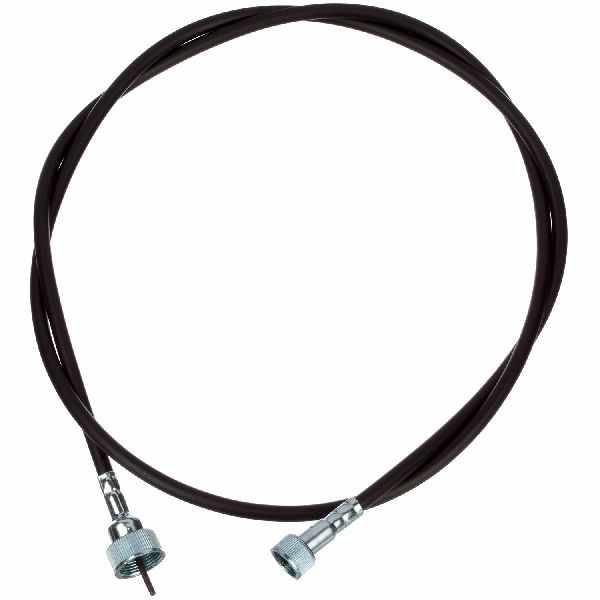
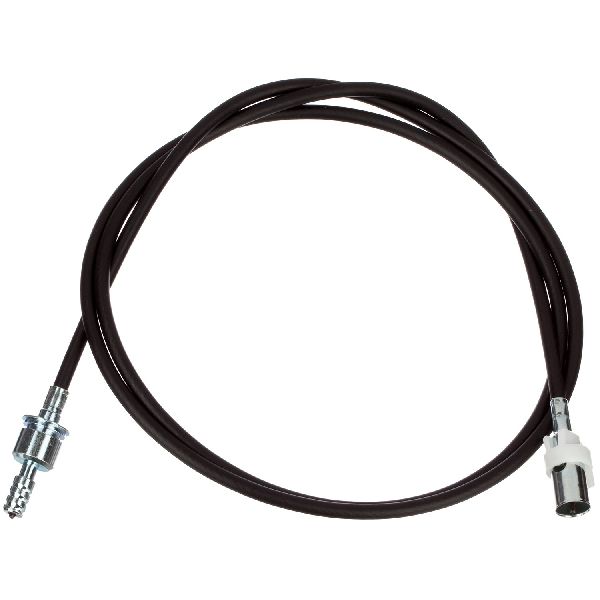
The key specifications to verify are the overall cable length and the type of fittings on both the transmission end and the speedometer end (e.g., 5/8"-18 female thread, snap-in clip). These must match your vehicle's specific transmission and gauge cluster.
We Have This Part in Stock


The information in this article is provided for general reference and educational purposes only. Vehicle specifications, procedures, and part compatibility can vary by production date, trim level, and region. Always consult your vehicle's factory service manual and verify part numbers before purchasing or performing repairs. Safety-critical components such as airbags, seat belts, and braking systems should be installed by a qualified professional.