

Ford Mustang Ignition Coil Guide: 1975-1982
Everything you need to know about diagnosing and replacing the ignition coil on your Mustang II or Fox Body.
- A 'no spark' issue on a 1975-1982 Mustang may be the coil, but also check the ignition module and distributor pickup coil.
- For a stock vehicle, choose a reliable aftermarket brand like NGK or Standard Ignition over economy or unnecessary performance coils.
- Replacing the canister-style ignition coil is a very simple DIY task that takes less than 30 minutes.
- Symptoms of failure include no-start, misfiring, stalling, and rough idling.
Is Your Mustang's Ignition Coil Failing?
A bad ignition coil can cause a range of problems, from poor performance to leaving you stranded. Because these Mustangs use a single coil for the entire engine, a complete failure means the engine won't run at all. Watch for these common signs.
Symptoms of a Bad Ignition Coil:
- No-Start Condition: The engine cranks but won't fire up. This is the most common symptom of a completely failed coil.
- Engine Misfires: The engine may stumble, shake, or run poorly, especially under acceleration.
- Rough Idle: Your Mustang may idle erratically or feel shaky when stopped.
- Stalling: The engine might cut out unexpectedly, either while driving or when idling.
- Poor Acceleration: The car may feel sluggish and lack power when you press the gas pedal.
- Backfiring: Loud bangs from the exhaust can occur when unburned fuel ignites in the hot exhaust pipes.
A Note on 1975-1982 Mustang "No Spark" Issues
If your Mustang cranks but has no spark, the ignition coil is a possible culprit. However, the Dura-Spark ignition system used in this era has other common failure points. Before replacing the coil, it's wise to also check the fender-mounted ignition module and the pickup coil (stator) inside the distributor. Auto parts stores can often test ignition modules for you. A failure in any of these three components can result in a no-spark condition.
Choosing the Right Aftermarket Ignition Coil
For a vintage vehicle like the 1975-1982 Mustang, finding a brand-new OEM part from Ford is unlikely. Aftermarket parts are your primary option, and the quality can vary significantly. Here’s a breakdown of available brands to help you choose.
Brand Quality Tiers
Tier 1: OEM-Quality Replacements
- NGK: Widely respected as a top-tier manufacturer for ignition components. NGK parts are known for their reliability and often meet or exceed original factory specifications. This is a safe, high-quality choice for any repair.
- Standard Ignition (Standard Motor Products/SMP): A long-standing, reputable brand in the aftermarket world. SMP parts are considered a reliable, durable choice for a stock replacement.
Tier 2: Performance Upgrade
- Accel: Often marketed as a high-output or "Super Coil." While it may offer higher voltage, this is generally not necessary for a stock engine. Some users report reliability issues, and the higher voltage can potentially stress other original ignition components like the cap, rotor, and wires. Consider this brand only if you have other performance ignition upgrades.
Tier 3: Economy Options
- Spectra Premium & Walker Products: These brands are typically more budget-friendly. While they will work, forum discussions suggest they may not have the same longevity as higher-tier brands. They can be a viable option if budget is the primary concern, but be aware that premature failure is a possibility.
Pro Tip: OEM vs. Aftermarket
For a simple component like a canister coil on a classic car, a high-quality aftermarket part from a brand like NGK or Standard Ignition is an excellent choice. The technology is straightforward, and these reputable manufacturers produce reliable parts. Cheaping out on a critical part like the ignition coil can lead to being stranded, so it's worth spending a little more for a trusted brand.
How to Replace Your Mustang's Ignition Coil (DIY Guide)
Replacing the ignition coil on a 1975-1982 Mustang is a simple job that most owners can do themselves in under 30 minutes with basic hand tools.
- Safety First: Disconnect the negative terminal from your car battery.
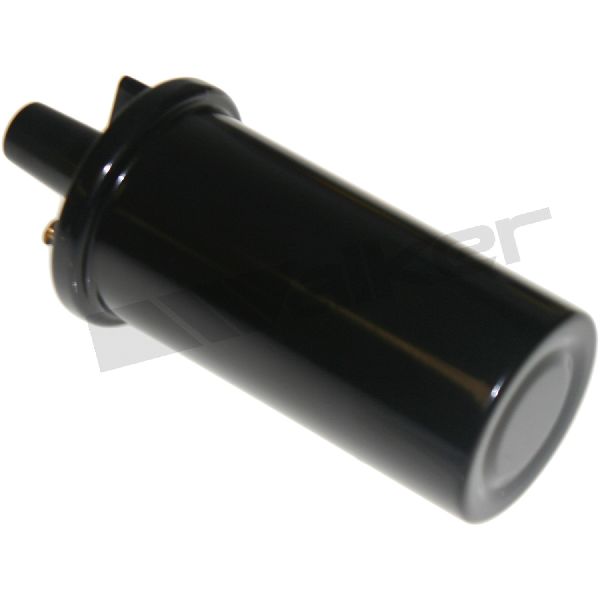
- Locate the Coil: The ignition coil is a small canister-shaped part typically mounted on the engine block or inner fender. It will have a large, thick wire running from its center to the distributor cap and two smaller wires connected to its terminals.
- Disconnect Wires: Pull the main coil wire from the center tower. Then, unplug or unscrew the two smaller primary wires from their terminals. Note which wire goes to the positive (+) and negative (-) terminals.
- Remove the Coil: Use a socket wrench to remove the bolt(s) holding the coil and its mounting bracket to the engine.
- Install the New Coil: Mount the new coil using the original bracket and bolt(s). Reconnect the two primary wires to the correct positive and negative terminals, and firmly push the main coil wire back into the center tower.
- Reconnect Battery: Reattach the negative battery terminal. Your Mustang should now be ready to start.
Frequently Asked Questions
Do I need a special "performance" coil for my stock Mustang?
No, a stock or OEM-quality replacement coil is perfectly adequate for a standard engine. High-output coils from brands like Accel are not necessary and may cause premature wear on other stock ignition parts without providing a noticeable performance benefit.
My car won't start. Is it definitely the ignition coil?
Not necessarily. On these Mustangs, a no-spark condition can also be caused by a bad ignition module (the silver box on the inner fender) or a failed pickup coil inside the distributor. It's best to diagnose the system before buying parts.
Is it hard to replace the ignition coil myself?
No, this is a very easy job for a DIY mechanic. It requires only basic hand tools and can usually be completed in less than half an hour.
What happens if I mix up the positive and negative wires on the coil?
Connecting the primary wires incorrectly can cause a weak spark or no spark at all, and may potentially damage the coil or other ignition components. Always label or take a picture of the wiring before you disconnect it.
Technical Specifications
This vehicle uses a single, oil-filled, canister-style ignition coil with an external resistor (in most applications). It works with the Dura-Spark electronic ignition system and a conventional distributor.
We Have This Part in Stock


The information in this article is provided for general reference and educational purposes only. Vehicle specifications, procedures, and part compatibility can vary by production date, trim level, and region. Always consult your vehicle's factory service manual and verify part numbers before purchasing or performing repairs. Safety-critical components such as airbags, seat belts, and braking systems should be installed by a qualified professional.
- 🛍️ Shop This Part
- Is Your Mustang's Ignition Coil Failing?
- Symptoms of a Bad Ignition Coil:
- A Note on 1975-1982 Mustang "No Spark" Issues
- Choosing the Right Aftermarket Ignition Coil
- Brand Quality Tiers
- Pro Tip: OEM vs. Aftermarket
- How to Replace Your Mustang's Ignition Coil (DIY Guide)
- Frequently Asked Questions
- 🎟️ Get 5% Off