

A Guide to Replacing the Starter on Your 1975-1982 Oldsmobile Cutlass
Don't get stranded by a bad starter; understand the common problems and best aftermarket replacements for your classic Cutlass.
- The most common issue for 1975-1982 Cutlass starters is 'heat soak,' where the starter fails to work when the engine is hot.
- Before replacing the starter, always check for simpler issues like a weak battery or corroded cables and ground straps.
- For a permanent fix to heat soak or for cars with headers, a modern high-torque mini-starter is the recommended upgrade.
- Replacement is a DIY-friendly job for those with basic tools, typically involving two bolts and a few wires accessible from under the car.
Is Your Cutlass Starter Failing?
A starter motor rarely fails without giving some warning signs. Before you assume the starter is bad, always check that your battery is fully charged and the battery cable connections are clean and tight. On these classic cars, simple electrical issues often mimic starter failure. If the battery and cables are good, look for these common symptoms:
- Single Loud Click: When you turn the key, you hear one sharp click, but the engine doesn't crank. This usually means the starter solenoid is engaging, but the motor itself isn't turning.
- Engine Cranks Slowly: Even with a good battery, the engine seems to struggle and turn over very slowly. This indicates the starter motor is weak and drawing too much power.
- No Sound at All: You turn the key and get complete silence. While this could be other issues like the neutral safety switch, a dead starter is a common cause.
- Grinding Noise: A harsh grinding sound when trying to start the car, or just after the engine fires up, can mean the starter gear is not meshing correctly with the flywheel or is failing to retract. This needs immediate attention to prevent costly flywheel damage.
A Common Problem: Heat Soak
If your Cutlass starts fine when cold but refuses to crank after a drive, you are likely experiencing 'heat soak'. This is a very common issue on V8-powered Oldsmobiles of this era. The large factory starter sits close to the hot exhaust manifold, and the intense heat increases electrical resistance inside the starter, preventing it from working until it cools down. 🎬 See a detailed explanation of how to fix starter heat soak. Hot battery cables are also a sign of this high-resistance condition.
Choosing the Right Aftermarket Starter
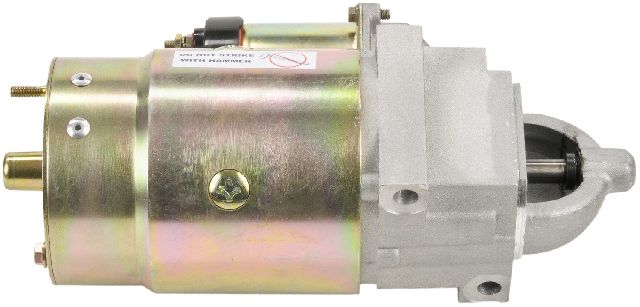
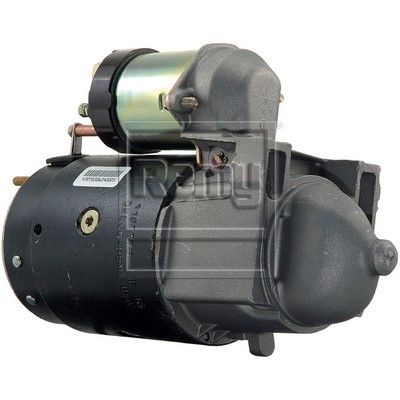
For a vehicle from this era, new OEM starters are generally not available. Aftermarket parts are the standard, and they often include design improvements over the original. The main choice is between a stock-style direct-drive starter and a modern high-torque, gear-reduction starter.
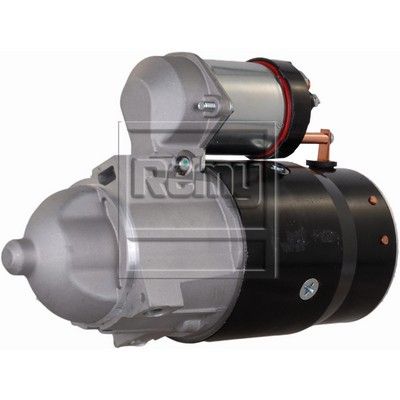
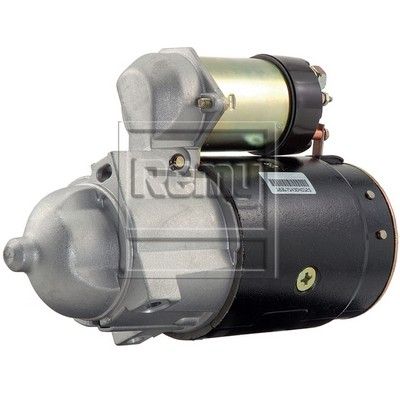
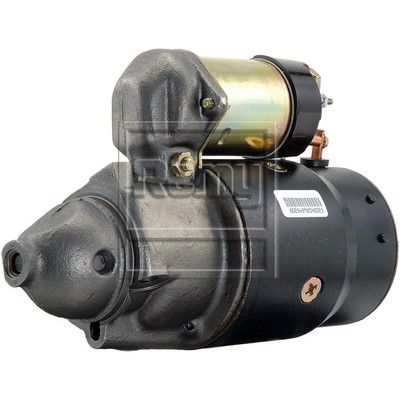
- Stock Style (Good): These are direct replacements for the original. For a stock, daily-driven Cutlass without hot-start issues, a quality remanufactured unit from a brand like Bosch or Remy is a reliable choice. They are established brands in the rotating electrical market.
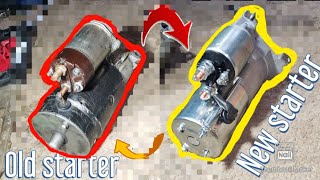
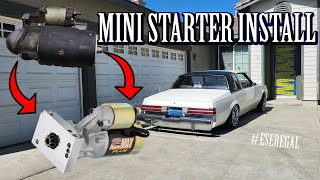
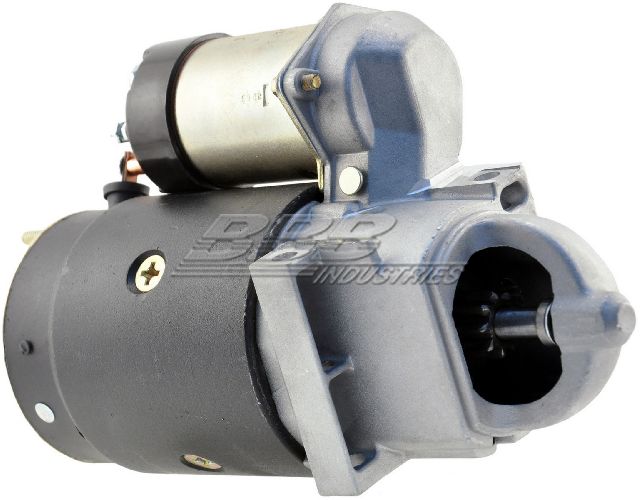
- High-Torque / Mini-Starter (Best): For owners fighting heat soak or those with modified engines (higher compression, exhaust headers), a high-torque, gear-reduction starter is the best solution. These starters are smaller, lighter, and more powerful, providing better clearance from hot exhaust parts and overcoming heat-related resistance. Brands like BBB Industries, alongside performance-focused brands, offer these improved designs.
Pro Tip: Beat the Heat. Regardless of which starter you choose, installing a heat shield or thermal wrap is a cheap and effective way to protect it from exhaust heat. This simple addition can prevent frustrating hot-start problems and extend the life of your new starter, especially if you have aftermarket headers.
Cost of a New Aftermarket Starter (1975-1982 Oldsmobile Cutlass)
| Part or Service | Estimated Cost |
|---|---|
| New Aftermarket Starter | $106.24 - $429.29 |
| Remanufactured Starter | $70 - $200 |
| Shop Labor for Installation | $100 - $250 |
Costs are estimates and can vary based on brand, location, and your vehicle's specific engine.
Frequently Asked Questions (FAQ)
Do I need to use shims when installing the new starter?
Maybe. Some GM starters from this period require thin metal plates called 'shims' to properly align the starter gear with the flywheel. Improper alignment can cause a grinding noise. While many owners report not needing them, it's important to listen for noise after installation. Some new starters come with a set of shims.
🎬 Watch a mechanic install a new starter on a classic Cutlass.Are there any recalls or TSBs for the starter on my Cutlass?
No. Searches of the National Highway Traffic Safety Administration (NHTSA) database show no recalls or specific Technical Service Bulletins (TSBs) for the starter motor on the 1975-1982 Oldsmobile Cutlass. Issues like heat soak are considered common problems for a vehicle of this age and are not safety-related defects.
What is a starter solenoid?
The starter solenoid is a powerful switch, usually mounted on top of the starter motor. When you turn the key, it does two things: it pushes the starter gear forward to engage the engine's flywheel, and it closes a high-power circuit to send battery current to the starter motor itself. A single 'click' with no crank is often a sign of a failed solenoid.
Can I replace the starter myself?
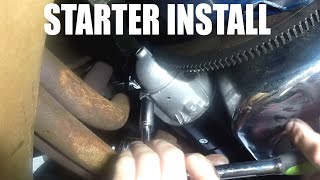
Yes, for most DIY mechanics, this is a manageable job. On these rear-wheel-drive cars, the starter is typically held on by two bolts and is accessible from underneath the vehicle. 🎬 Watch this step-by-step starter replacement on a 1979 Cutlass. You will need to safely raise the vehicle, disconnect the battery, and then remove the electrical connections and mounting bolts. Access can be tight, especially with larger exhaust systems.
Helpful Videos
Technical Specifications
Original starters are large, direct-drive units. Aftermarket options include direct-drive replacements and high-torque, gear-reduction 'mini-starters'. These modern starters are smaller, lighter, and offer better heat resistance and clearance for aftermarket exhaust.
We Have This Part in Stock

The information in this article is provided for general reference and educational purposes only. Vehicle specifications, procedures, and part compatibility can vary by production date, trim level, and region. Always consult your vehicle's factory service manual and verify part numbers before purchasing or performing repairs. Safety-critical components such as airbags, seat belts, and braking systems should be installed by a qualified professional.