

Choosing the Right Aftermarket Carburetor for Your 1975-1983 Dodge D100
Solve common engine problems and improve performance by selecting the best new carburetor for your classic Dodge truck.
- A failing carburetor causes poor performance, rough idle, black smoke, and hard starting.
- Aftermarket brands like Edelbrock and Holley offer reliable, modern replacements that can improve performance.
- If your truck has the problematic 'Lean Burn' system, you must replace the carburetor when converting to a standard ignition.
- For most stock V8 engines, a 500-650 CFM carburetor with an electric choke is the recommended choice for drivability.
Is Your D100's Carburetor Failing?
The original carburetors on these classic Dodge trucks can be a source of frustration after decades of service. Gaskets dry out, internal passages get clogged with fuel varnish, and moving parts wear down. If you're experiencing issues like rough idling, poor acceleration, or difficulty starting, a failing carburetor is a likely culprit.
Common Symptoms of a Bad Carburetor:
- Reduced Engine Performance: The truck may feel sluggish and lack power, especially when accelerating.
- Rough or Shaky Idle: The engine may sputter, shake, or stall when you're stopped.
- Hard Starting: The engine can be difficult to start, particularly when it's cold.
- Black Exhaust Smoke: Seeing black smoke from the tailpipe indicates the engine is running too rich (too much fuel), a common carburetor problem.
- Backfiring or Overheating: A lean mixture (too much air) can cause the engine to backfire or run hotter than normal.
- Poor Fuel Economy: If you're filling up the tank more often, a bad carburetor could be wasting fuel.
A Note on the "Lean Burn" System
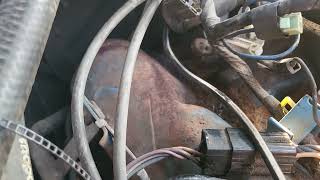
Some later models in this year range came with Chrysler's "Lean Burn" system, an early attempt at electronic engine control. This system is notoriously problematic and often the source of poor running conditions. Many owners choose to bypass the Lean Burn system and convert to a standard electronic ignition. 🎬 Watch this guide on the easiest way to delete Lean Burn. If you do this, you will also need to replace the original computer-controlled carburetor with a standard aftermarket carburetor that has vacuum advance ports.
Choosing the Right Aftermarket Carburetor
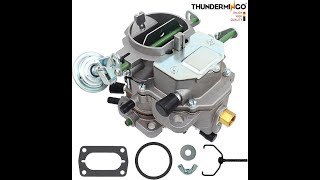
Since new OEM (Original Equipment Manufacturer) carburetors for this era are no longer available, the aftermarket is your best source for a replacement. Aftermarket parts offer modern materials and manufacturing, often providing better reliability and performance than a worn-out original. Here's a look at the available brands.
Brand Tiers & Quality
- Edelbrock: A very popular choice for street-driven vehicles. Edelbrock carburetors are known for being reliable and easy to set up right out of the box with minimal tuning. They are considered a great "set it and forget it" option for daily drivers and mild performance builds.
- Holley: Another top-tier brand, Holley carburetors are famous in the performance and racing world. They offer a high degree of tunability, which is great for maximizing horsepower but can be more complex for a novice. For a D100 with a stock or mildly modified engine, a vacuum secondary Holley is a solid choice.
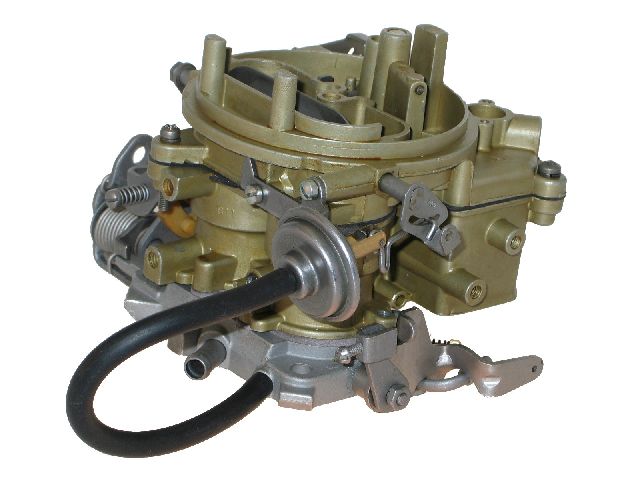
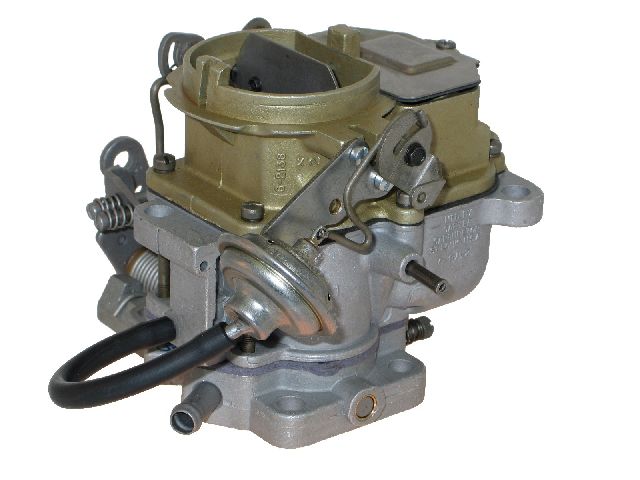
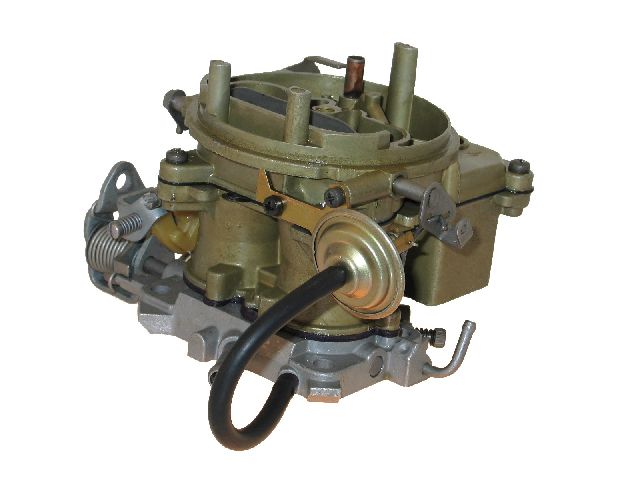
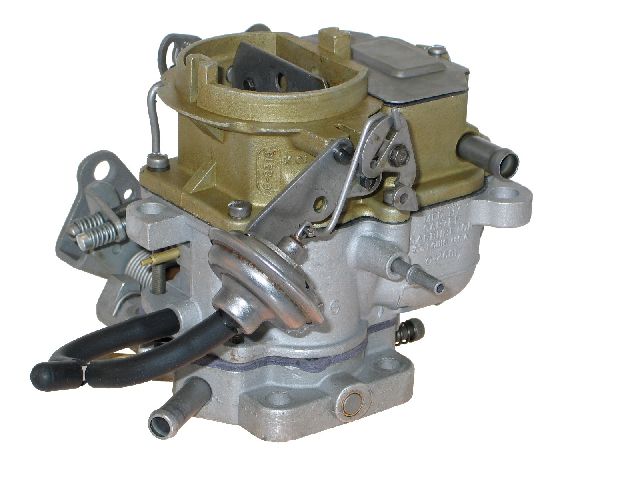
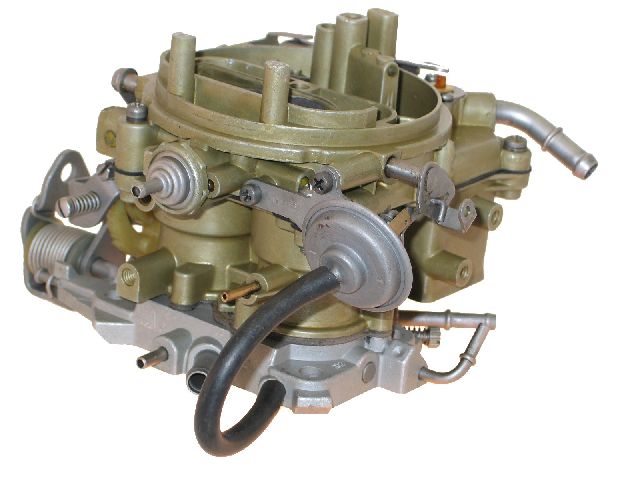
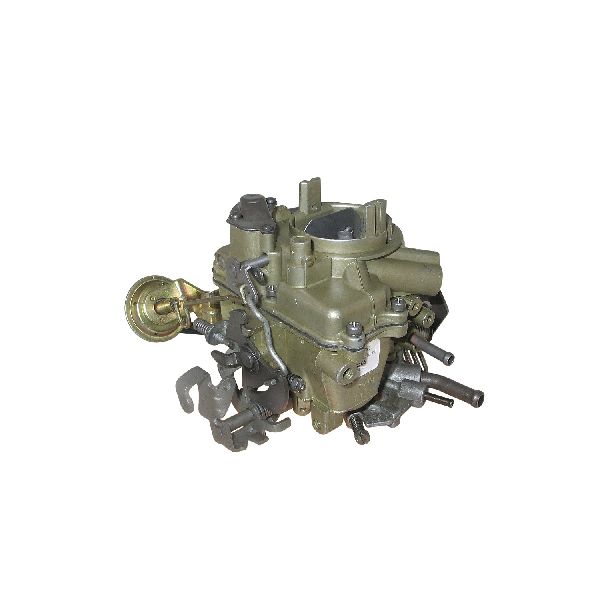
- Uremco (United Carburetor): Uremco specializes in new and remanufactured carburetors that are designed as direct-fit replacements. These are a good option if you want to maintain a stock-style setup. While generally reliable, some users have reported occasional quality control issues, like missing small parts. However, many find they work perfectly with no adjustments needed.
Pro Tip: For a mostly stock 318 or 360 V8 engine, a carburetor rated between 500 and 650 CFM (Cubic Feet per Minute) is usually the best choice. A carb that is too large can hurt throttle response and drivability.
Cost of a New Aftermarket Carburetor (1975-1983 Dodge D100)
| Part Type | Estimated Cost |
|---|---|
| New Aftermarket Carburetor | $308.16 - $519.95 |
| Shop Labor for Installation | $150 - $300 |
Frequently Asked Questions
Is replacing a carburetor a good DIY job?
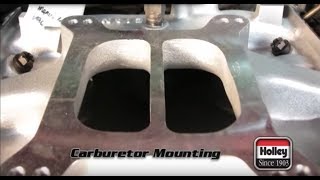
For someone with basic mechanical skills and tools, replacing a carburetor is a very feasible DIY project. The job involves disconnecting the fuel line, throttle linkage, and a few vacuum hoses, then unbolting the old carburetor and bolting the new one in its place. It typically takes 1-2 hours.
🎬 See a full walkthrough of a carburetor install on a 318.Do I need to replace anything else with the carburetor?
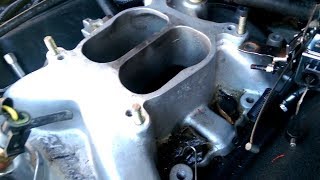
It's a good idea to replace the base gasket that seals the carburetor to the intake manifold. You should also inspect all vacuum hoses connected to the carburetor for cracks and replace them if they are brittle or damaged. A vacuum leak from a bad hose can cause symptoms similar to a bad carburetor.
What's the difference between a manual and electric choke?
The choke is a plate that restricts air when starting a cold engine, creating a richer fuel mixture. A manual choke is controlled by a cable you pull inside the cab. An electric choke, common on aftermarket carbs like Edelbrock and Holley, automatically opens the choke plate as the engine warms up. For ease of use, an electric choke is highly recommended.
Will an aftermarket carburetor require a lot of tuning?
Most aftermarket carburetors from brands like Edelbrock and Holley are designed to run well on a stock engine with only minor adjustments to the idle speed and air/fuel mixture screws. More in-depth tuning is possible by changing jets and metering rods but is often not necessary for a daily-driven truck.
🎬 Check out this ultimate guide for tuning your Edelbrock carburetor.Helpful Videos
Technical Specifications
Common engine options for this generation include the 3.7L Slant-6, 5.2L (318ci) V8, and 5.9L (360ci) V8. Carburetors can be 1-barrel (Slant-6), 2-barrel (V8), or aftermarket 4-barrel types. Common flange types are 2-barrel and 4-barrel square bore.
We Have This Part in Stock

The information in this article is provided for general reference and educational purposes only. Vehicle specifications, procedures, and part compatibility can vary by production date, trim level, and region. Always consult your vehicle's factory service manual and verify part numbers before purchasing or performing repairs. Safety-critical components such as airbags, seat belts, and braking systems should be installed by a qualified professional.
- 🎬 Helpful Videos
- 🛍️ Shop This Part
- Is Your D100's Carburetor Failing?
- Common Symptoms of a Bad Carburetor:
- A Note on the "Lean Burn" System
- Choosing the Right Aftermarket Carburetor
- Brand Tiers & Quality
- Cost of a New Aftermarket Carburetor (1975-1983 Dodge D100)
- Frequently Asked Questions
- 🎟️ Get 5% Off