

A/C Receiver Drier Guide for the 1975-1983 Dodge W100
Everything a W100 owner needs to know about replacing this critical A/C component to keep your classic truck's cabin cool.
- The receiver drier MUST be replaced any time the A/C system is opened for another repair.
- This is not a DIY job; it requires professional equipment to evacuate and recharge the refrigerant legally and correctly.
- Verify if your truck uses the original R-12 refrigerant or has been converted to R-134a before buying parts.
- Symptoms of failure include poor cooling, rattling noises, and musty smells from the vents.
Is Your W100's A/C Not Keeping Up? It Could Be the Receiver Drier.
If the air conditioning in your classic Dodge W100 is blowing warm or just not as cold as it used to be, a failing A/C receiver drier is a common suspect. This part is designed to be replaced whenever the A/C system is opened for service, but its internal components can also fail over time. Ignoring the signs can lead to more expensive repairs down the road.
Symptoms of a Bad A/C Receiver Drier
- Weak or No A/C Cooling: This is the most obvious sign. A clogged drier restricts the flow of refrigerant, preventing the system from cooling effectively.
- Rattling Sounds: If you hear rattling from the engine bay when the A/C is on, the desiccant bag inside the drier may have broken apart, or other internal parts could be loose.
- Musty Odor from Vents: A bad drier can't absorb moisture properly, which can lead to mold and mildew growth inside your A/C system, causing a bad smell.
- Visible Frost or Ice: A severe clog can cause a rapid pressure drop, making the outside of the drier canister itself freeze over.
- Oily Residue on the Part: While the drier canister itself rarely leaks, the fittings where the lines connect can fail, leaving an oily film of refrigerant oil.
Important: R-12 vs. R-134a Refrigerant
Your 1975-1983 W100 was originally equipped with an R-12 refrigerant system. Many of these trucks have since been converted to the more modern R-134a refrigerant. It is critical to know which system your truck has before buying parts. The type of oil used and some fittings are different between the two systems. Using the wrong parts will lead to system failure.
Choosing the Right Aftermarket Drier
For a vintage truck like the W100, finding new original equipment (OEM) parts is nearly impossible. The market consists of aftermarket brands. Avoid any "New Old Stock" (NOS) driers, as the desiccant inside can absorb moisture from the air over decades of storage, making it useless.
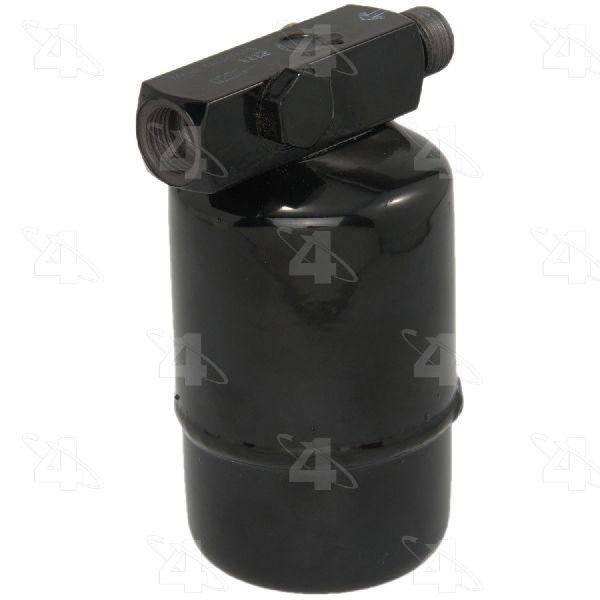
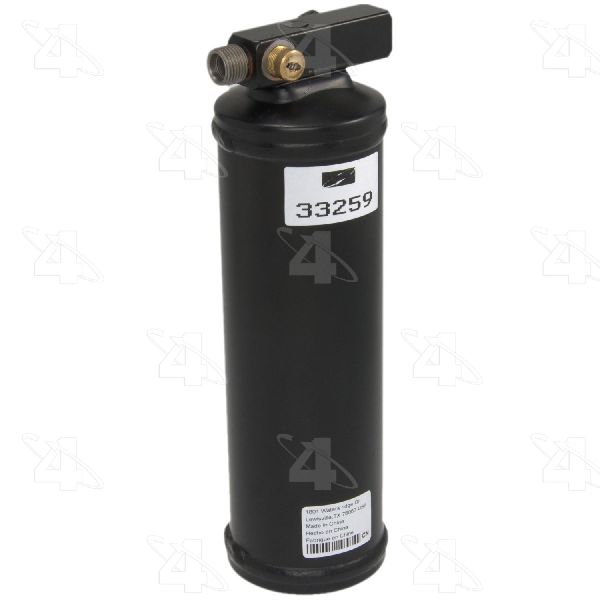
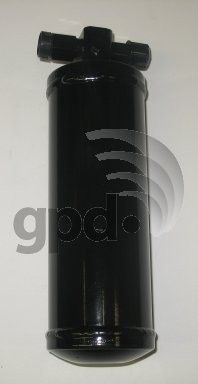
Standard Aftermarket (Four Seasons, Global Parts): Brands like Four Seasons and Global Parts (GPD) are the most common options. They are affordable and widely available. Four Seasons is a well-known aftermarket brand with a long history; some users report good, reliable service while others are critical of the quality due to the low price point. There is less owner feedback available for Global Parts. For a vehicle like the W100, a new drier from a standard aftermarket brand is the correct and most practical choice.
Always Replace, Never Reuse
The receiver drier is a mandatory replacement item. Any time the A/C system is opened to the atmosphere—for example, to replace the compressor or a leaking hose—the drier must also be replaced. Its desiccant becomes fully saturated within minutes of air exposure. Failing to replace it will cause moisture to contaminate your new parts, leading to premature failure and voiding most warranties.
| Part/Service | Estimated Cost |
|---|---|
| New Aftermarket A/C Receiver Drier | $18 - $45 |
| Shop Labor & Recharge | $150 - $300 |
| Total Estimated Cost | $168 - $345 |
Frequently Asked Questions (FAQ)
Can I replace the A/C receiver drier myself?
This is not recommended for a home mechanic. The job requires specialized, expensive equipment to legally recover old refrigerant and to pull a vacuum on the system before recharging. Attempting this without the right tools will guarantee system failure and is illegal, as venting refrigerant into the atmosphere is prohibited.
Are there any recalls for the 1975-1983 Dodge W100 A/C system?
No. A search of the National Highway Traffic Safety Administration (NHTSA) database shows no recalls or technical service bulletins (TSBs) related to the A/C system for this generation of Dodge W100 trucks.
How often should the receiver drier be replaced?
The receiver drier should be replaced any time the A/C system is opened for repairs. If the system has not been opened, some suggest replacing it as a preventive measure every 3-4 years, though many last much longer.
What else should I replace with the drier?
You should always replace the small rubber O-rings or seals at the line connections to ensure a leak-free seal. If you are replacing the drier because your A/C compressor failed, you must also flush the entire system and replace the expansion valve to remove metal debris before installing the new parts.
Technical Specifications
Located on the high-pressure side of the A/C system. Contains a desiccant material to absorb moisture. Must be compatible with the vehicle's refrigerant type (R-12 or R-134a).
We Have This Part in Stock

The information in this article is provided for general reference and educational purposes only. Vehicle specifications, procedures, and part compatibility can vary by production date, trim level, and region. Always consult your vehicle's factory service manual and verify part numbers before purchasing or performing repairs. Safety-critical components such as airbags, seat belts, and braking systems should be installed by a qualified professional.