

Choosing the Right Spark Plugs for Your 1975-1983 Dodge W100
Keep your classic Dodge truck running strong with the correct new spark plugs.
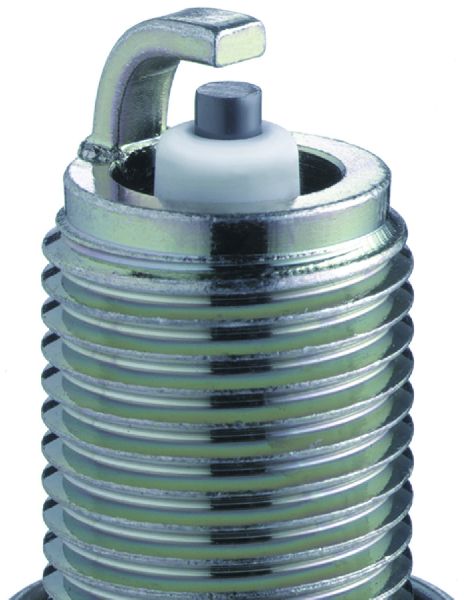
- Stick with standard copper core spark plugs from reputable brands like Champion or NGK for best performance.
- Avoid expensive iridium or platinum plugs, as they provide no benefit for the W100's original ignition system.
- Always check and set the spark plug gap to 0.035 inches before installation.
- Replacing spark plugs is a simple, DIY-friendly task that can significantly improve engine performance and reliability.
Signs of Failing Spark Plugs
The spark plugs in your W100 are wear items, meaning they need to be replaced periodically. When they start to fail, your truck will usually let you know. Look out for these common symptoms:
- Rough Idling: If your truck shakes or sounds uneven when stopped at a light, it could be due to a fouled or worn-out spark plug.
- Trouble Starting: Worn plugs have a harder time creating a strong spark, which can make the engine difficult to start, especially when cold.
- Engine Misfires: You might feel a hesitation or stumble from the engine, particularly when you're accelerating. This can be caused by an inconsistent spark.
- Reduced Power and Acceleration: If your truck feels sluggish and doesn't have the get-up-and-go it used to, weak spark plugs could be the reason.
- Worse Fuel Economy: When spark plugs aren't firing efficiently, the engine burns more fuel to do the same amount of work, leading to more trips to the gas station.
A Note on Oily Plugs
If you pull out your old spark plugs and find them covered in oil, your engine may have other issues like worn valve seals or piston rings. In these cases, some owners use spark plug non-foulers as a temporary measure to keep the plugs from getting contaminated quickly. This doesn't fix the root problem but can help the engine run better for a short time.
Choosing the Right Aftermarket Spark Plugs
For a 1975-1983 Dodge W100, you don't need the most expensive, high-tech spark plugs. The original ignition systems on these trucks were designed for simple, reliable copper core spark plugs. Using more modern (and expensive) iridium or platinum plugs often provides no benefit and can sometimes even cause issues in these older engines.
Brand Tiers for Your W100
When shopping for new aftermarket plugs, it's helpful to think in terms of quality and reputation. Based on owner experiences and mechanic recommendations, here’s how the available brands generally stack up for these classic Dodge trucks:
Tier 1: Highly Recommended
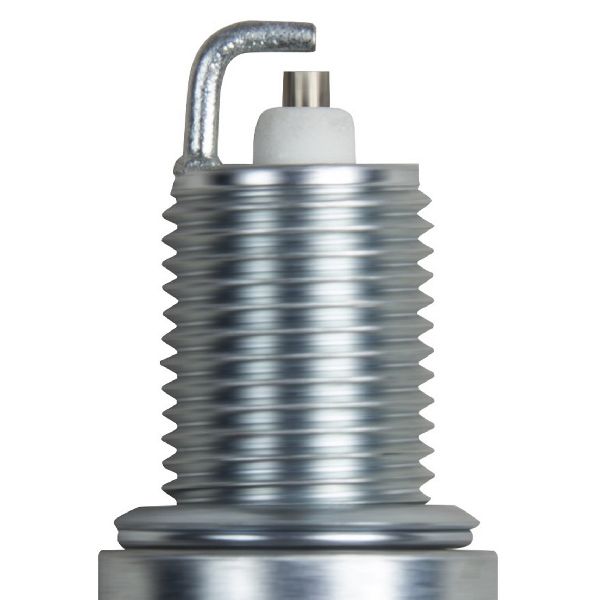
- Champion: Champion was a common original equipment supplier for Chrysler vehicles of this era. Their standard copper plugs are a reliable, go-to choice that works very well with the W100's ignition system.
- NGK: NGK's V-Power or standard copper plugs are highly regarded for their quality and consistent performance. Many owners report smooth running and reliability with NGK plugs.
Tier 2: Good, Reliable Options
- Autolite: Often considered a good alternative for Mopar vehicles, Autolite's standard copper plugs are a solid, budget-friendly choice.
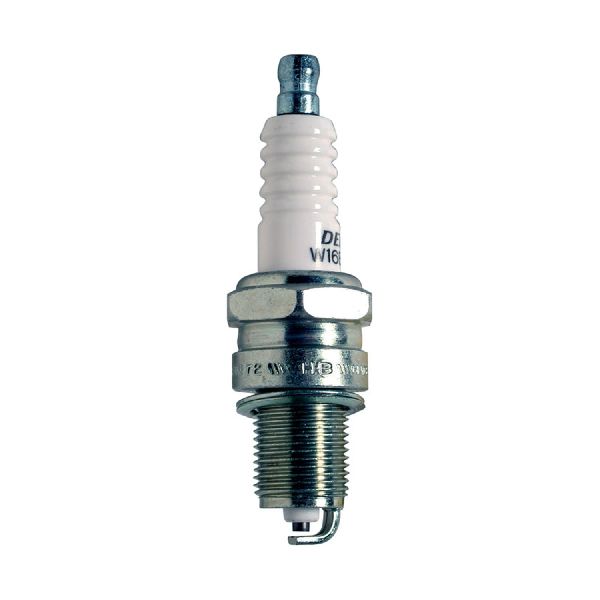
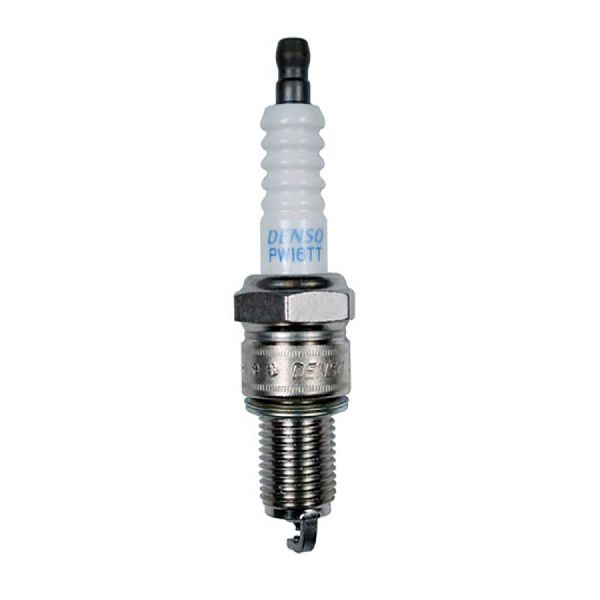
- Denso: Denso is another high-quality Japanese brand, similar to NGK. Their standard copper plugs are a dependable option if Champion or NGK plugs are not available.
Tier 3: Use with Caution
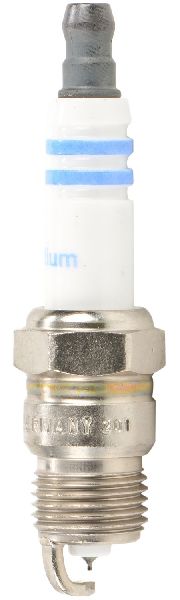
- Bosch: While Bosch makes excellent parts for many vehicles, some owners of older American trucks have reported issues with their multi-electrode plug designs. It's generally best to stick to the standard single-electrode copper plugs from other brands for your W100.
- Accel & MSD: These brands are known for performance ignition systems. While their spark plugs can work, they are often designed for high-performance or racing applications and may be overkill or not ideal for a stock engine.
Pro Tip: Always Check the Gap
No matter which brand you choose, always check the spark plug gap before installation. The correct gap for most W100 engines is 0.035 inches. A simple spark plug gapping tool is inexpensive and ensures your new plugs will perform as they should. Even if plugs are advertised as "pre-gapped," it's wise to double-check them as they can be knocked out of spec during shipping.
Aftermarket vs. OEM Spark Plugs
For this specific vehicle, there is little to no practical difference in quality between a new OEM Mopar spark plug and a quality aftermarket plug from a brand like Champion or NGK. In fact, Champion was often the original manufacturer for Mopar plugs. Save your money and stick with a trusted aftermarket copper plug; you will get the same, if not better, performance for your classic truck.
Installation Basics
Replacing the spark plugs on a 1975-1983 W100 is a straightforward job that most owners can do themselves with basic hand tools. The key is to work on one cylinder at a time to avoid mixing up the spark plug wires. You will need a ratchet, a spark plug socket, and an extension. Applying a small amount of anti-seize compound to the new plug's threads can make future removal easier, and using dielectric grease inside the spark plug wire boot helps ensure a good connection and prevents corrosion.
| Part Type | Cost Range (Per Plug) |
|---|---|
| New Aftermarket (Copper) | $3.50 - $10.00 |
| New Aftermarket (Platinum/Iridium) | $8.00 - $25.00+ |
| Shop Labor for Replacement | $100 - $200 |
Frequently Asked Questions (FAQ)
Do I need to buy expensive iridium or platinum spark plugs?
No. The ignition system in the 1975-1983 Dodge W100 was designed for standard copper core spark plugs. More expensive plugs offer no real benefit for these engines and are not necessary.
How often should I change the spark plugs on my W100?
For standard copper plugs in these trucks, a good rule of thumb is to inspect them every 15,000 miles and plan on replacing them every 20,000 to 30,000 miles, depending on your driving habits and engine condition.
What is the correct spark plug gap for a 1975-1983 Dodge W100?
The most commonly cited spark plug gap for these trucks is 0.035 inches. Always verify with a gap tool before installing new plugs.
What does it mean if my spark plugs are covered in black soot or oil?
Dry, black, fluffy soot indicates a rich fuel mixture or a weak spark. Wet, oily deposits mean your engine is likely burning oil due to worn internal parts, which can foul new plugs quickly.
Technical Specifications
Recommended Type: Copper Core Recommended Gap: 0.035 inches
We Have This Part in Stock


The information in this article is provided for general reference and educational purposes only. Vehicle specifications, procedures, and part compatibility can vary by production date, trim level, and region. Always consult your vehicle's factory service manual and verify part numbers before purchasing or performing repairs. Safety-critical components such as airbags, seat belts, and braking systems should be installed by a qualified professional.