

Ford Bronco Catalytic Converter Guide: 1975-1983 Models
Keep your classic Bronco running clean and strong with the right catalytic converter.
- Your 1975-1983 Bronco came with a catalytic converter from the factory and is legally required to have one.
- Symptoms of failure include power loss, a rotten egg smell, and rattling noises from the exhaust.
- Choose a direct-fit aftermarket converter for the easiest installation; universal-fit options require welding.
- Before replacing the converter, ensure your carburetor and ignition system are properly tuned to prevent damage to the new part.
Is Your Bronco's Catalytic Converter Failing?
For a truck as rugged as the 1975-1983 Ford Bronco, the catalytic converter can take a beating. Over time, the internal honeycomb can get clogged from a rich-running carburetor, contaminated by oil, or simply break down from age and rust. When it fails, you'll notice.
Common Failure Symptoms
- Loss of Power: If your Bronco feels sluggish and struggles to accelerate, especially up hills, the converter might be clogged, creating backpressure that chokes the engine.
- Rotten Egg Smell: A strong sulfur or rotten egg smell from the exhaust is a classic sign that the converter isn't processing the exhaust gases correctly.
- Rattling Noises: If you hear a rattling or metallic sound from under your truck, the ceramic honeycomb inside the converter may have broken apart.
- Overheating Underneath: A clogged converter can trap a massive amount of heat, sometimes causing the floorboards above it to get unusually warm.
- Failed Emissions Test: For owners in states with emissions testing for classic vehicles, a failed test is a sure sign that your converter is no longer doing its job.
Choosing the Right Aftermarket Converter
Finding a new OEM (Original Equipment Manufacturer) catalytic converter from Ford for a 1975-1983 Bronco is nearly impossible. The good news is that the aftermarket offers several solid options that fit and function well, often at a much lower cost. Your main choice will be between a direct-fit and a universal-fit converter.
Direct-Fit vs. Universal-Fit
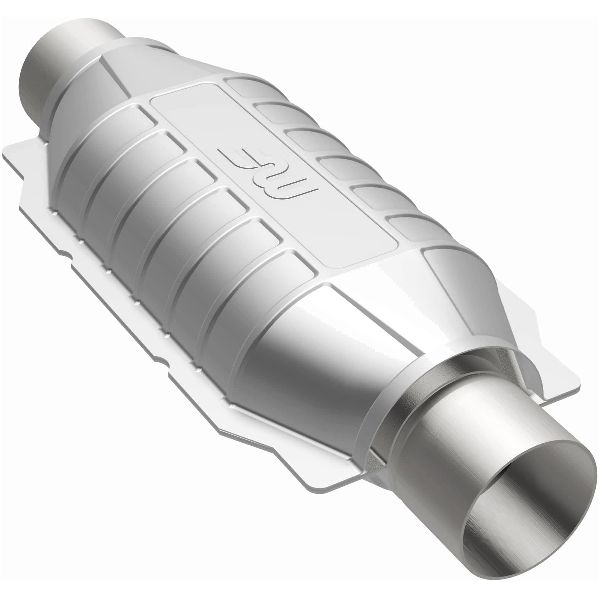
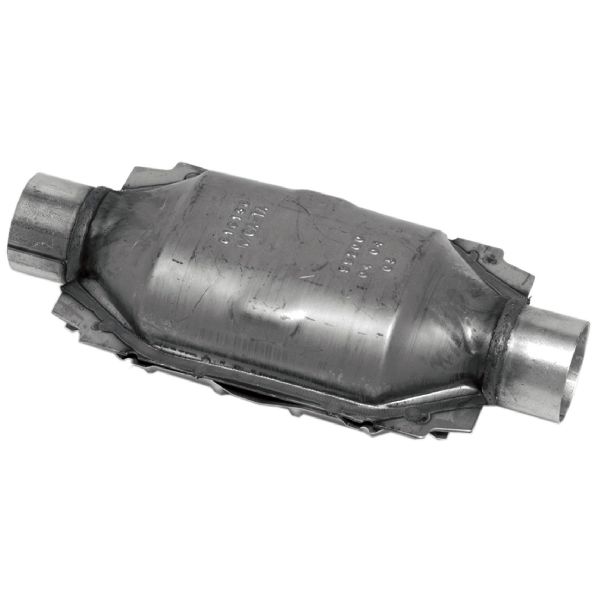
- Direct-Fit: These are designed to bolt right into the factory location with no or minimal modifications. They are the best choice for a straightforward, DIY-friendly installation. Brands like MagnaFlow and Walker offer direct-fit options for many Bronco models.
- Universal-Fit: These are more generic and require cutting and welding to fit into your exhaust system. They are often cheaper but require professional installation or advanced welding skills. They are a good option for custom exhaust setups.
Pro Tip: For a vehicle of this age, a direct-fit converter is highly recommended. It saves a lot of headache during installation and ensures proper alignment with the rest of your exhaust system.
Aftermarket Brand Tiers
Not all aftermarket brands are created equal. Here’s a breakdown of the brands available for your Bronco:
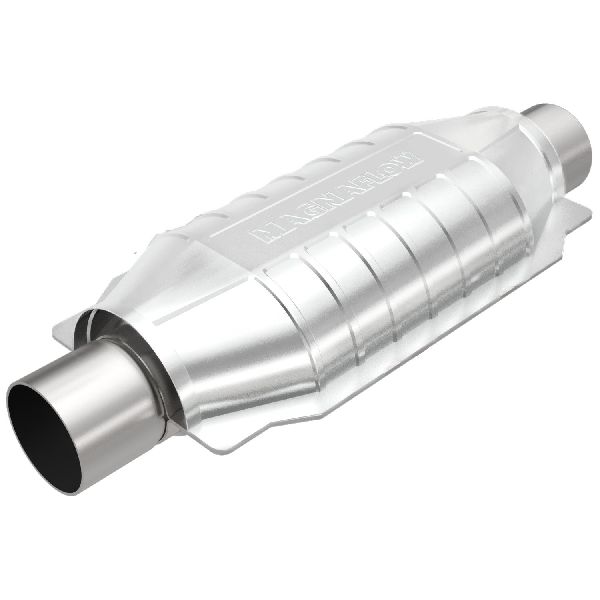
- MagnaFlow Performance Exhaust: Often considered a premium aftermarket brand, MagnaFlow converters are known for their stainless steel construction and high-flow designs that can slightly improve performance. They are typically at the higher end of the price range but offer good longevity and a deeper exhaust note that many owners prefer.
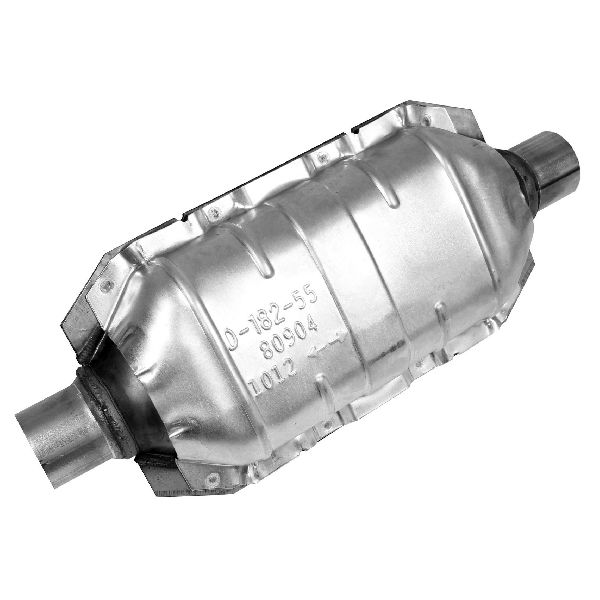
- Walker Exhaust: Walker is a well-respected name that offers a good balance of quality and affordability. Their converters are known to be reliable, fit well, and are a solid choice for owners looking for a dependable OEM-style replacement without the high price tag.
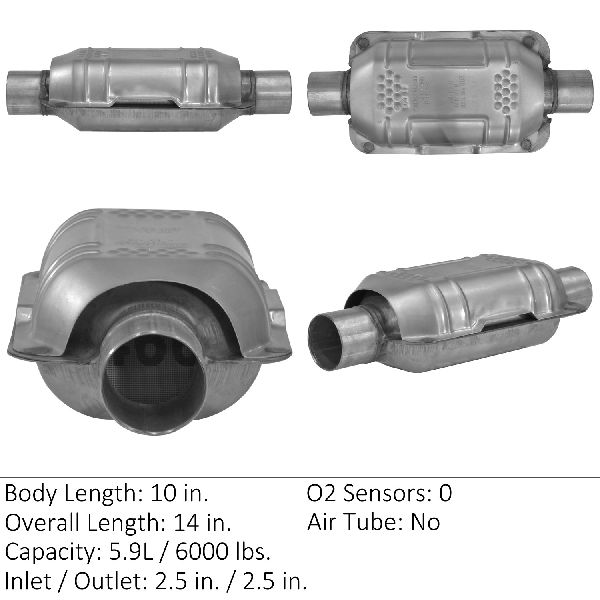
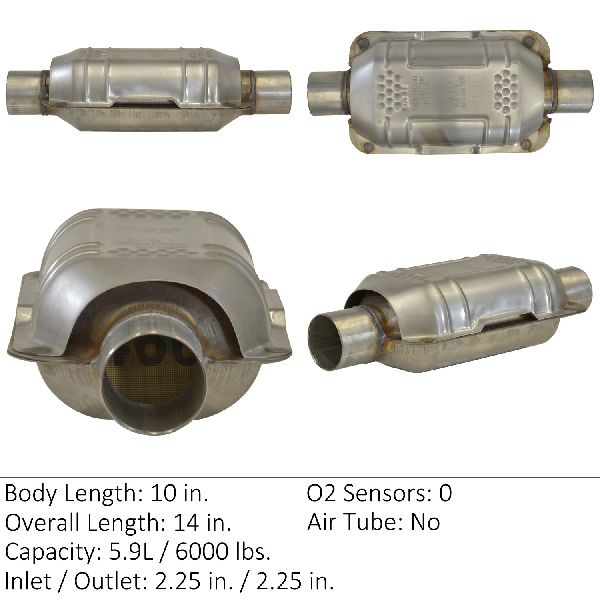
- Eastern Catalytic: Eastern is a budget-friendly option that meets basic requirements. While they are functional, they may not have the same lifespan or robust construction as more expensive brands. They are a good choice if the price is your main concern.
Cost of Replacing a Ford Bronco Catalytic Converter
The cost can vary based on the brand you choose and whether you do the work yourself. Given the age of the vehicle, professional installation is often straightforward unless significant rust is present.
| Part/Service | Estimated Cost |
|---|---|
| New Aftermarket Converter (Part Only) | $85 - $1,025 |
| Shop Labor | $150 - $300 |
| Total Estimated Cost | $235 - $1,325 |
Frequently Asked Questions
Does my 1975-1983 Bronco legally need a catalytic converter?
Yes, if it was originally equipped with one. Federal law requires it, and many states will fail your vehicle on inspection if it's missing. Ford began installing them on all Broncos in 1975. However, enforcement varies by state and county, especially for classic vehicles. Always check your local regulations.
Will a new catalytic converter change the sound of my Bronco?
Generally, no. A new converter will not make your exhaust significantly louder or quieter, though a high-flow model from a brand like MagnaFlow might give it a slightly deeper tone. If your old one was rattling, a new one will certainly make the exhaust system quieter by eliminating that noise.
Can I remove the catalytic converter?
While it is physically possible, removing the catalytic converter is illegal for any street-driven vehicle in the United States. It will also cause a noticeable increase in exhaust fumes and may result in failed emissions tests.
What causes a new catalytic converter to fail early?
A new converter can be ruined if there's an underlying engine problem. Common causes include a poorly tuned carburetor running too rich, a faulty ignition system causing misfires, or internal engine leaks that allow oil or coolant into the exhaust. Always fix these issues before installing a new converter.
Technical Specifications
The 1975-1983 Ford Bronco typically uses a single catalytic converter. Aftermarket options are available in both universal and direct-fit configurations, usually with aluminized or stainless steel bodies. Inlet and outlet diameters vary by specific model and engine, so it is critical to match the part to your vehicle's specifications. These pre-OBDII converters do not have oxygen sensor ports.
We Have This Part in Stock

The information in this article is provided for general reference and educational purposes only. Vehicle specifications, procedures, and part compatibility can vary by production date, trim level, and region. Always consult your vehicle's factory service manual and verify part numbers before purchasing or performing repairs. Safety-critical components such as airbags, seat belts, and braking systems should be installed by a qualified professional.