

A Guide to the Ignition Coil on Your 1975-1983 Ford F-150
Keep your classic Ford running strong by understanding how to pick the best new ignition coil.
- A no-start condition, stalling, and rough idle are the most common symptoms of a failing coil on this F-150 generation.
- For most owners, a quality OE-style replacement from a brand like NGK or Standard Ignition is the best choice for reliability.
- A performance coil like Accel is generally not necessary for a stock engine and may not provide noticeable gains.
- This is a very simple and inexpensive DIY repair that requires basic tools and can be completed in under 30 minutes.
Is Your Ignition Coil Failing?
A failing ignition coil on these classic F-150s can cause problems that seem complex but often point to this single component. Since these trucks have a simple, single-coil setup, a failure will affect the entire engine, not just one cylinder like on modern vehicles. Watch for these signs:
- No Start: The engine will crank over but won't fire up. This is the most common symptom of a completely dead coil. 🎬 See this diagnostic walkthrough for a crank but no start issue
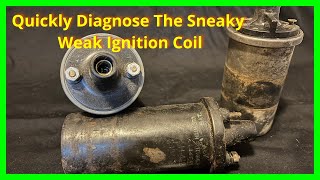
- Engine Misfires or Stalling: A weak coil produces a weak spark, leading to incomplete combustion. This can feel 🎬 Watch: How to quickly diagnose a sneaky weak ignition coil like a shudder, hesitation, or cause the engine to stall, especially when idling or under load.
- Rough Idle: If the engine feels shaky or vibrates more than usual when you're stopped, the coil might be on its way out.
- Backfiring: Unburned fuel can enter the exhaust and ignite, causing a loud bang. This is a sign of a serious misfire that can damage your exhaust system.
- Poor Performance and Fuel Economy: If your truck feels sluggish and you're filling up the tank more often, a weak spark from a failing coil could be the culprit.
Known Issues for This Generation
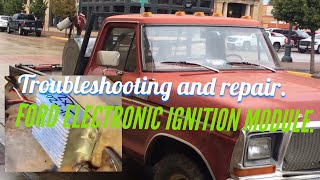
For 1975-1983 F-150s, ignition problems are often traced back to the coil, the Ignition Control Module (ICM), or the wiring in between. Forum discussions among owners frequently point to intermittent starting issues that get worse on cold, damp days. Sometimes, wiggling the wiring harness between the coil and ICM can temporarily solve the problem, indicating a bad connection or a failing coil. Because these parts are relatively inexpensive, many owners choose to replace the coil and ICM at the same time 🎬 Watch: How to test and replace the electronic ignition module during a tune-up.
Choosing the Right Aftermarket Ignition Coil
For a truck of this age, new OEM (Original Equipment Manufacturer) parts from Ford are generally not available. The aftermarket is your primary source. Fortunately, many reputable brands produce quality replacements. The key is to choose the right one for your needs.
Brand Tiers for Your F-150
Based on general reputation and owner feedback, we can group the available brands:
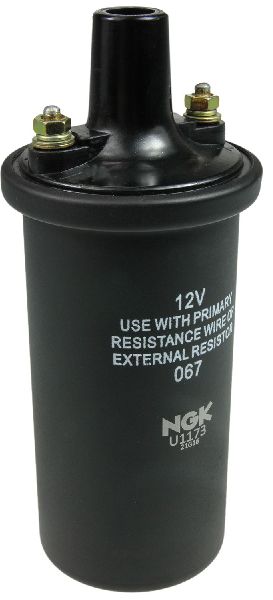
- Tier 1 - Premium OE-Style Replacement: Brands like NGK and Standard Ignition (SMP) are highly regarded for producing parts that meet or exceed original specifications. They are known for reliability and are a solid choice for a daily driver or a stock restoration. Denso is also a top-tier brand, and they were an original equipment manufacturer for some Ford coils.
- Tier 2 - Performance Upgrade: Accel is a well-known performance brand. Their coils often promise higher voltage output. However, for a stock engine, the benefits may be minimal. Some users report no noticeable difference, while others feel it improves performance slightly. A high-output coil may also stress other stock ignition components like the cap, rotor, and wires. It's a popular choice for modified or high-performance engines.
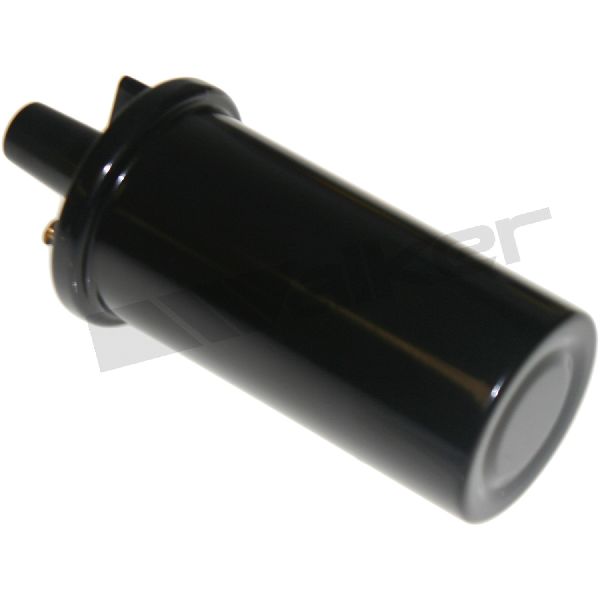
- Tier 3 - Standard Replacement: Brands like Spectra, WAI Global, Walker Products, and Global Parts offer budget-friendly options that function as direct replacements. These are suitable for getting a truck back on the road reliably and affordably. They are a common choice for general repairs.
Oil-Filled vs. Epoxy Coils
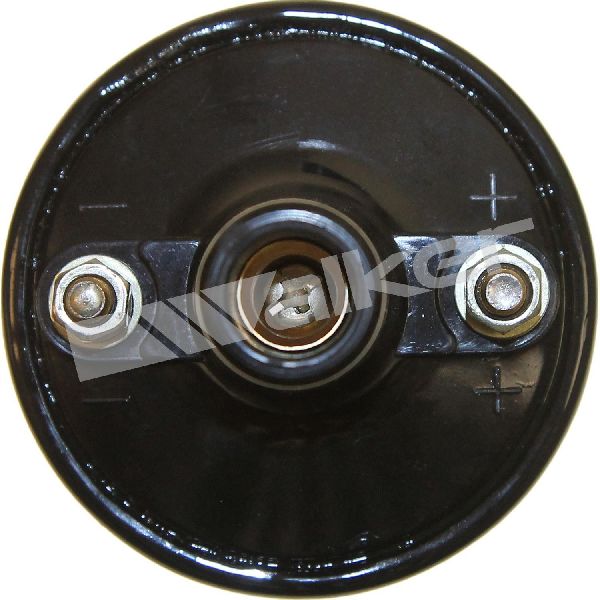
The original coils for this era were typically oil-filled canister types. The oil helps cool the internal windings. Most aftermarket replacements, including performance ones from brands like Accel, are also oil-filled. This design is time-tested and effective for these vehicles.
Cost to Replace an F-150 Ignition Coil
Replacing the ignition coil on a 1975-1983 F-150 is one of the most affordable and simple repairs you can perform.
| Item | Estimated Cost |
|---|---|
| New Aftermarket Ignition Coil | $23.60 - $51.38 |
| Shop Labor | $50 - $100 |
| Total Estimated Cost (Shop) | $75 - $150 |
| Total Estimated Cost (DIY) | $23.60 - $51.38 |
Frequently Asked Questions
Is this a difficult repair to do myself?
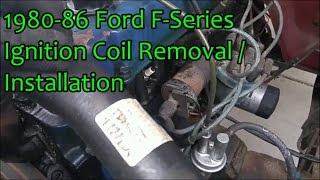
No, this is one of the easiest repairs you can do. The ignition coil is typically mounted on the engine or inner fender and is held in place by a simple bracket. The process involves disconnecting the battery, unplugging two small wires and the main high-tension wire to the distributor, and unbolting the coil. It usually takes less than 30 minutes with basic hand tools.
Do I need a coil with an internal or external resistor?
This is a critical question for this vehicle generation. Some Ford ignition systems of this era used an external ballast resistor or a special resistor wire to reduce voltage to the coil during normal operation. Using the wrong type of coil can lead to premature failure or a weak spark. Check your vehicle's service manual or inspect the existing wiring for a ballast resistor. Many aftermarket coils are designed to be compatible with or without an external resistor, but you must verify this.
Will a performance coil give my truck more power?
On a stock or lightly modified engine, a high-performance coil like an Accel will likely not produce a noticeable power gain. The stock ignition system is adequate for stock power levels. A performance coil is most beneficial on highly modified engines with other ignition upgrades, where it can help prevent spark blow-out under high compression.
Are there any recalls or TSBs for the ignition coil?
No, there are no specific recalls or Technical Service Bulletins (TSBs) from Ford or the NHTSA for the ignition coil on the 1975-1983 F-150. Common issues are well-documented in owner forums and repair communities.
Helpful Videos
Technical Specifications
OEM Part Numbers: D5AZ12029A D5AE12029AB
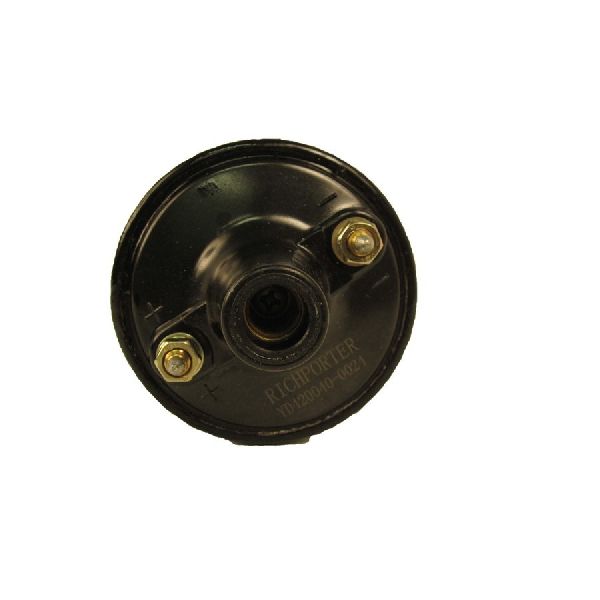
The ignition coil for this F-150 is a canister-style, oil-filled coil. It is part of a distributor-based ignition system. It is crucial to determine if your specific vehicle requires a coil compatible with an external ballast resistor.
We Have This Part in Stock


The information in this article is provided for general reference and educational purposes only. Vehicle specifications, procedures, and part compatibility can vary by production date, trim level, and region. Always consult your vehicle's factory service manual and verify part numbers before purchasing or performing repairs. Safety-critical components such as airbags, seat belts, and braking systems should be installed by a qualified professional.