

Ford Mustang Drum Brake Hardware Kit Guide (1975-1983)
Don't let worn-out springs and clips ruin your classic Mustang's stopping power; here's what you need to know.
- Always replace the drum brake hardware kit when changing brake shoes to ensure safety and proper function.
- The automatic self-adjusters on these Mustangs are unreliable; plan to manually adjust the brakes for a firm pedal.
- For a complete repair, consider replacing the shoes, hardware, and wheel cylinders at the same time.
- Work on one side at a time, using the assembled opposite side as a reference to avoid mistakes.
Signs of Failing Drum Brake Hardware
Old, rusty, or broken hardware can cause a range of braking problems. If you notice any of these symptoms, it's time for an inspection.
- Scraping or Dragging Noises: A common sign is a noise from the rear wheels when you are not braking. This happens when weak or broken springs fail to pull the brake shoes away from the drum, causing them to drag constantly.
- Loud "Thump" or "Pop" When Braking: If a spring breaks, a shoe can shift suddenly when you apply the brakes, causing a loud noise.
- Weak Parking Brake: The hardware is essential for the parking brake mechanism. If the handle pulls up easily or the car doesn't hold on a hill, worn hardware could be part of the problem, along with out-of-adjustment shoes.
- Spongy or Low Brake Pedal: While often a hydraulic issue, hardware that allows shoes to sit too far from the drum can cause the pedal to feel low and unresponsive because the shoes have to travel farther.
- Vibrations: Dragging brakes caused by bad hardware can create excess heat, leading to warped brake drums and a pulsating or vibrating feeling when you brake.
Brake Problems Are a Safety Hazard
Brake issues are not something to ignore. If you experience grinding noises, a soft pedal, or reduced stopping power, have your brakes inspected immediately. Continuing to drive is a significant safety risk.
Choosing the Right Aftermarket Hardware Kit
For a classic Mustang from this era, original Ford (OEM) parts are generally unavailable. The good news is that aftermarket brands offer quality replacement kits that meet or exceed the original factory specifications. When doing any work on your drum brakes, it is always recommended to replace the hardware. The kits are inexpensive and ensure your new brake shoes will work correctly.
| Brand Tier | Brands | Typical Price Range | Notes |
|---|---|---|---|
| Premium | Raybestos | $12 - $16 | A long-standing, reputable brand known for quality that meets or exceeds OE specs. Often considered a top-tier choice for brake components. |
| Standard / OE-Quality | Centric, Dynamic Friction | $10 - $14 | Centric is a very popular and reliable choice, often seen as a direct OE-quality replacement. Dynamic Friction is also a solid option, known for making quality components. |
| Economy / Standard | Dorman | $10 - $13 | Dorman offers a wide range of parts and is a common, affordable choice for standard repairs. Their hardware kits are generally considered reliable for most applications. |
Pro Tip: Always replace hardware on both sides of the axle at the same time. This ensures even braking performance. Also, it's a great time to replace the brake shoes and inspect the wheel cylinders for leaks.
Known Issues for 1975-1983 Ford Mustang Drum Brakes
No specific recalls or Technical Service Bulletins (TSBs) from Ford or NHTSA are active for the drum brake hardware on these models, which is expected given their age. However, these cars have a well-known quirk: the automatic self-adjusters often get clogged with rust and brake dust and stop working. This leads to a low brake pedal and a weak parking brake. Most mechanics recommend manually adjusting the star wheel during any brake service to ensure a firm pedal.
Frequently Asked Questions (FAQ)
Do I really need to replace the hardware?
Yes. Every time you replace your brake shoes, you should install a new hardware kit. The old springs lose tension from millions of cycles and constant heat, and reusing them can cause noise, dragging, and premature wear on your new shoes. For under $20, it's cheap insurance for a proper brake job.
What's included in a drum brake hardware kit?
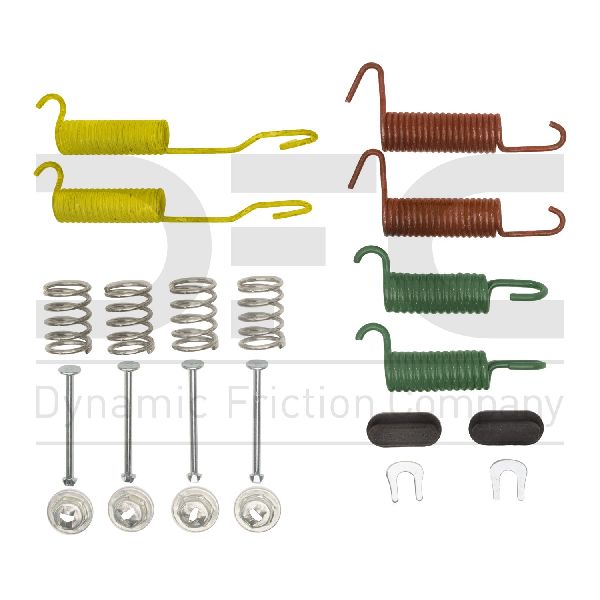
A typical kit for a 1975-1983 Mustang includes all the necessary return springs, retainer springs, hold-down pins, and clips for both rear wheels. Some kits may also include parking brake linkage clips.
Is the hardware the same for Mustang II and Fox Body models?
The 1975-1983 range covers both the Mustang II (1975-1978) and the early Fox Body (1979-1983). While many brake components are similar, always verify the part fits your specific year and model before ordering. The most common difference in the rear axle is the 4-lug pattern on most Mustang IIs versus the 4-lug or 5-lug patterns on Fox Bodies. The hardware itself is generally consistent for the standard 9-inch drum.
Can I replace drum brake hardware myself?
Yes, this is a manageable job for a DIY mechanic with some experience. However, drum brakes can be tricky due to the number of springs under tension. A key tip is to disassemble only one side at a time, using the other side as a visual guide for reassembly. Special tools like brake spring pliers can make the job much easier.
Technical Specifications
Kit typically includes a full set of return springs, hold-down springs, pins, and clips for servicing both rear drum brake assemblies. Designed for the 9-inch rear drum brakes common to this generation.
We Have This Part in Stock

The information in this article is provided for general reference and educational purposes only. Vehicle specifications, procedures, and part compatibility can vary by production date, trim level, and region. Always consult your vehicle's factory service manual and verify part numbers before purchasing or performing repairs. Safety-critical components such as airbags, seat belts, and braking systems should be installed by a qualified professional.