

Ford Mustang Engine Mount Guide: 1975-1983 Mustang II & Fox Body
Eliminate engine vibration and clunking noises in your classic Mustang by choosing the right replacement engine mounts.
- Vibration at idle and clunking noises are the most common signs of failure for 1975-1983 Mustang mounts.
- Choose standard rubber mounts (Anchor, DEA) for a quiet ride or polyurethane (Nolathane) for performance, but expect more vibration.
- Always replace mounts in pairs to ensure proper engine alignment and prevent premature failure of the other mount.
- Verify fitment for your specific year and engine, as Mustang II (75-78) and Fox Body (79-83) mounts are different.
Signs of a Bad Engine Mount in Your Mustang
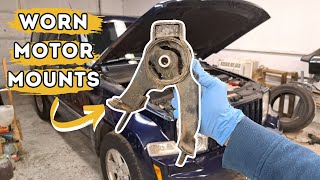
The original rubber on engine mounts from this era deteriorates over time, becoming hard, cracked, or oil-soaked. When they fail, the symptoms are hard to ignore. Watch for these common signs in your Mustang II or Fox Body.
- Increased Vibration: This is the most common symptom. You'll feel an unusual amount of shaking through the steering wheel, floor, or seats, especially when the car is idling or when you first put it in gear.
- Loud Noises: A failing mount allows the engine to move too much, causing clunking, banging, or thumping sounds during acceleration, hard braking, or sharp turns.
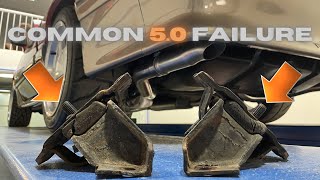
- Visible Engine Movement: Have a friend watch the engine while you have your foot on the brake and shift from Park to Drive or Reverse. If the engine jumps or lurches more than an inch or two, a mount is likely broken. You might also notice the engine looks tilted or saggy when you open the hood. 🎬 Watch: How to locate and diagnose a failing engine mount.
Don't Ignore Bad Mounts
Continuing to drive with broken engine mounts puts extra stress on your transmission, driveshaft, hoses, and wiring. This can lead to more expensive repairs down the road.
Choosing the Right Aftermarket Mounts
Finding original Ford (OEM) mounts for a 1975-1983 Mustang is nearly impossible. The market consists of aftermarket replacements that fall into two main categories: standard rubber and performance polyurethane.
Tier 1: Standard Replacement (Rubber)
Brands: Anchor, DEA, Westar, Pioneer Cable
These brands produce affordable, factory-style rubber mounts designed for daily driving and stock restorations. They prioritize a smooth, quiet ride by absorbing engine vibrations, just like the originals. Forum discussions show mixed reviews; while many find them to be a perfectly acceptable budget-friendly option, others report issues with longevity and build quality compared to original parts. Pioneer is sometimes considered to have slightly better quality control than the other economy brands.
- Best for: Daily drivers, stock restorations, and budget-conscious owners.
- Pros: Low cost, smooth and quiet operation.
- Cons: Quality can be inconsistent, may not last as long as performance options.
Tier 2: Performance Upgrade (Polyurethane)
Brand: Nolathane
Nolathane specializes in polyurethane (often called "poly") components. Polyurethane is a much stiffer material than rubber. This drastically reduces engine movement, which improves throttle response and gets more power to the wheels—ideal for performance driving. The trade-off is a significant increase in Noise, Vibration, and Harshness (NVH) felt inside the car, especially at idle. These mounts are also highly resistant to oil and heat, making them very durable.
- Best for: Modified engines, weekend track cars, and performance-oriented drivers.
- Pros: Excellent durability, greatly reduces engine flex for better performance.
- Cons: Transmits much more vibration and noise into the cabin. 🎬 See this overview and installation of performance urethane mounts.
A Note on Fox Body "Convertible" Mounts
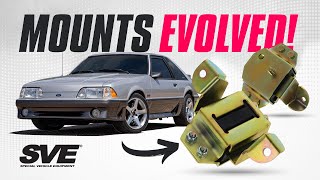
For 1979-1983 Fox Body Mustangs, you may see listings for "convertible" style mounts. Ford designed these to be more robust to handle the extra chassis flex of the convertible. They are a popular bolt-on upgrade for coupe and hatchback models to get a stronger, more durable rubber mount.
Cost of Replacing Ford Mustang Engine Mounts (1975-1983)
| Part Type | Estimated Cost |
|---|---|
| New Aftermarket (Rubber) | $13 - $35 per mount |
| New Aftermarket (Polyurethane) | $40 - $60+ per mount |
| Shop Labor | $200 - $450 |
Cost estimates are for reference only and may vary by location and vehicle specifics (e.g., V8 vs 4-cyl).
Frequently Asked Questions
Should I replace both engine mounts at the same time?
Yes. It is highly recommended to replace engine mounts in pairs. They wear at a similar rate, and a new mount will put extra stress on the remaining old one, causing it to fail sooner. Replacing them together ensures proper engine alignment and balance.
Is there a difference between Mustang II and Fox Body mounts?
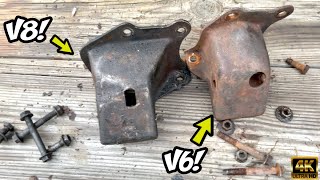
Yes, they are completely different. Mounts for the 1975-1978 Mustang II are not interchangeable with the 1979-1983 Fox Body. Furthermore, within the Mustang II generation, V8 mounts are different from those for 4-cylinder and V6 engines. Always verify the part fits your specific year and engine.
Can I install engine mounts myself?
Yes, this is a manageable job for a DIY mechanic with the right tools. The basic process involves supporting the engine from below with a floor jack and a block of wood, unbolting the old mounts, and installing the new ones. It can be time-consuming due to tight spaces, sometimes requiring the removal of the starter or oil filter for access.
🎬 Watch: A DIY guide to changing Fox Body motor mounts.Rubber vs. Polyurethane: Which is right for my Mustang?
Choose rubber (Anchor, DEA, Westar, Pioneer) if you want a comfortable, quiet ride for a daily driven or stock vehicle. Choose polyurethane (Nolathane) if you have a high-performance engine or use your car for spirited driving and can tolerate more cabin vibration.
Helpful Videos
Technical Specifications
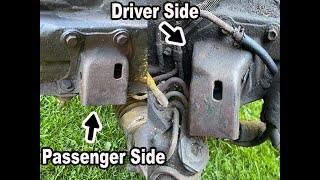
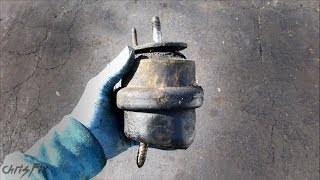
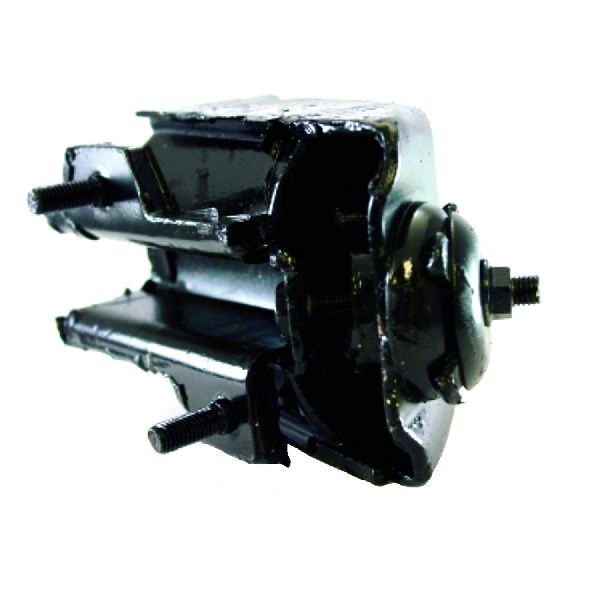
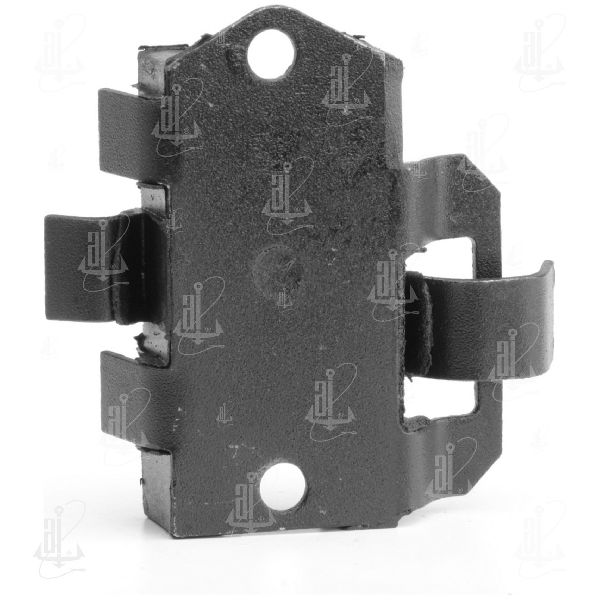
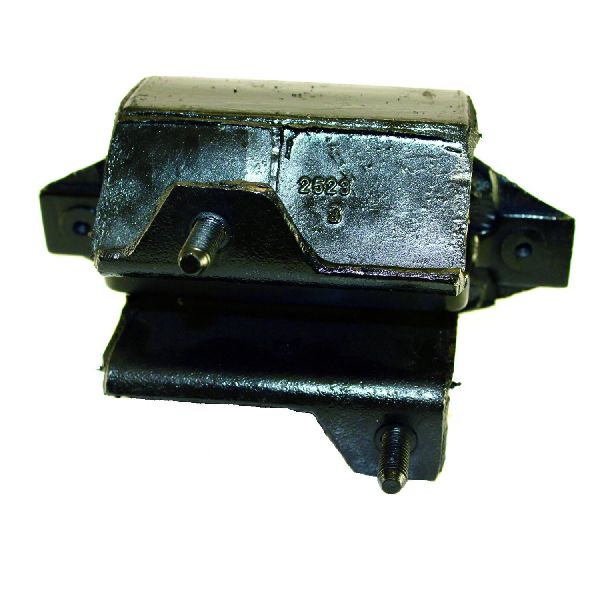
Mounts for this era are typically a two-piece design consisting of a steel frame bracket and a bonded rubber insulator. Fox Body mounts have left and right specific designs. The more robust 'convertible' style mount is a common upgrade for all 1979-1983 5.0L models.
We Have This Part in Stock


The information in this article is provided for general reference and educational purposes only. Vehicle specifications, procedures, and part compatibility can vary by production date, trim level, and region. Always consult your vehicle's factory service manual and verify part numbers before purchasing or performing repairs. Safety-critical components such as airbags, seat belts, and braking systems should be installed by a qualified professional.
- 🎬 Helpful Videos
- 🛍️ Shop This Part
- Signs of a Bad Engine Mount in Your Mustang
- Don't Ignore Bad Mounts
- Choosing the Right Aftermarket Mounts
- Tier 1: Standard Replacement (Rubber)
- Tier 2: Performance Upgrade (Polyurethane)
- A Note on Fox Body "Convertible" Mounts
- Cost of Replacing Ford Mustang Engine Mounts (1975-1983)
- Frequently Asked Questions
- 🎟️ Get 5% Off