

Jeep CJ5 Brake Light Switch Guide for 1975-1983 Models
Solve common brake light problems and choose the right replacement switch for your classic CJ5.
- A faulty brake light switch is a critical safety failure; replace it immediately.
- The most common symptoms are brake lights staying on or not turning on at all.
- Replacement is a simple but physically awkward DIY job; removing the driver's seat helps immensely.
- For a few dollars more, brands like Standard Ignition may offer better long-term reliability than basic reproduction parts.
Is Your CJ5's Brake Light Switch Failing?
A bad brake light switch is more than an annoyance; it's a serious safety hazard. The most common signs of failure are brake lights that don't turn on, or brake lights that stay on all the time, potentially draining your battery. Sometimes, the lights might flicker or work only when you press the pedal extra hard. Because the wiring for brake lights on a CJ5 often runs through the turn signal switch, problems there can sometimes be mistaken for a bad brake light switch. Always check your fuses and bulbs first, but if they are good, the switch is the next logical part to inspect.
Choosing the Right Aftermarket Switch
For a vehicle as old as the 1975-1983 CJ5, finding new original Mopar parts is nearly impossible. The market is served by aftermarket brands that specialize in reproduction parts. Quality can vary, so it's good to know the players.
- Standard Ignition (SMP): Often considered a higher-quality choice for electrical components. While their parts might cost a bit more, many mechanics and experienced owners prefer them for critical items like switches due to better reliability.
- Crown Automotive & Omix-Ada: These are the most common brands for Jeep reproduction parts. For a simple component like a brake light switch, they are generally considered an acceptable and budget-friendly option. However, some owners report mixed experiences with the consistency and longevity of reproduction parts in general.
Pro Tip: Given the low cost of even the premium aftermarket options, choosing a brand like Standard Ignition can be a good investment for long-term reliability and peace of mind.
Typical Costs for Replacement
| Item | Cost Range |
|---|---|
| New Aftermarket Brake Light Switch | $5.40 - $29.97 |
| Shop Labor for Installation | $50 - $100 |
Replacing the Switch: A DIY Task
Replacing the brake light switch is a job most CJ5 owners can do themselves. The main challenge is access. The switch is located up under the dashboard, mounted to the brake pedal support structure. It can be an awkward spot to work in, with many owners complaining it's a contortionist's job. Removing the driver's seat can make access much easier. The process involves disconnecting the electrical plug, unclipping or unscrewing the old switch, and installing the new one. If your CJ5 uses a hydraulic switch, you will need to be prepared to quickly swap the new switch for the old one to minimize air entering the brake lines, though bleeding the brakes afterward is the recommended procedure.
Known Issues & Recalls
There are no active recalls or Technical Service Bulletins (TSBs) from the NHTSA specifically for the brake light switch on 1975-1983 Jeep CJ5s. Any recalls found for Jeep brake light switches are for much newer models and do not apply to this generation. The most common issues reported by owners are related to switch adjustment, the weak return spring on the brake pedal, or the poor quality of some reproduction switches.
Frequently Asked Questions
Where is the brake light switch on my CJ5?
On most 1975-1983 CJ5s, it's a mechanical switch located high up on the brake pedal arm, under the dashboard. It's notoriously difficult to see and reach. Some earlier or modified models might use a hydraulic pressure switch installed in the brake lines or on the master cylinder.
Why do my brake lights stay on?
This is a common symptom of a failed switch that is stuck in the 'on' position. It can also be caused by a misadjusted switch, a weak or broken brake pedal return spring that doesn't let the pedal come all the way back up, or a broken plastic stopper on the pedal that is supposed to contact the switch plunger.
Is replacing the brake light switch difficult?
The part itself is easy to replace, but getting to it is the hard part. It requires working in a cramped space under the dash. Many owners recommend removing the driver's seat to get better access. The job requires basic hand tools and about 30-60 minutes.
Are all aftermarket switches the same quality?
No. While brands like Crown and Omix-Ada are popular for their availability, brands like Standard Ignition are often seen by mechanics as having higher quality and better reliability for electrical parts. Given the safety function of this part, spending a few extra dollars on a higher-quality switch is recommended.
Technical Specifications
OEM Part Numbers: J3212739 J5355294
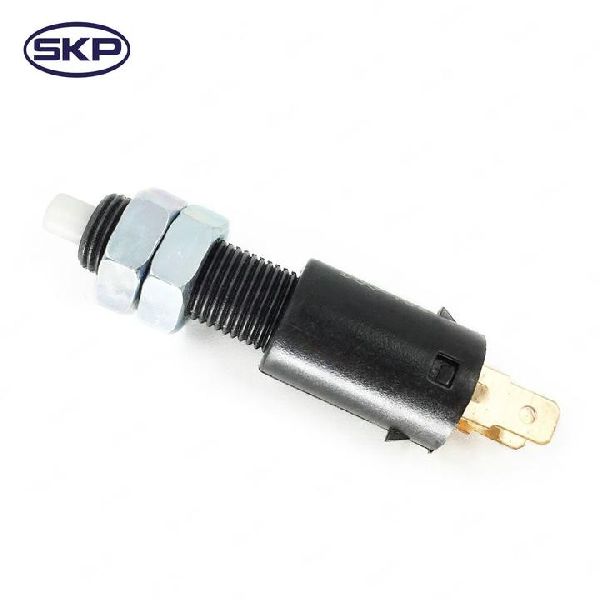
Typically a 2-prong, mechanical plunger-style switch mounted on the brake pedal assembly.
We Have This Part in Stock


The information in this article is provided for general reference and educational purposes only. Vehicle specifications, procedures, and part compatibility can vary by production date, trim level, and region. Always consult your vehicle's factory service manual and verify part numbers before purchasing or performing repairs. Safety-critical components such as airbags, seat belts, and braking systems should be installed by a qualified professional.