

Ford Bronco Turn Signal Switch Replacement Guide (1975-1984)
Having trouble with your signals, hazards, or brake lights? Your turn signal switch is a likely culprit.
- A failing switch is a critical safety issue as it can disable both turn signals and brake lights.
- You MUST verify your Bronco's exact configuration (tilt vs. non-tilt column, auto vs. manual trans) before ordering.
- Replacement is a feasible DIY job but requires a steering wheel puller and patience for fishing wires through the column.
- Premium brands like Standard Ignition are recommended by owners for better long-term reliability and fit.
Is Your Bronco's Turn Signal Switch Failing?
On these classic Broncos, the turn signal switch is a mechanical part with electrical contacts that wear out from decades of use. A bad switch is a major safety issue because it can disable your turn signals and brake lights. Before you assume the switch is bad, check the simple things first: make sure your turn signal and hazard flasher relays are working and that the fuse is good. Bad grounds are also a common problem on older vehicles and can cause strange lighting issues.
Common Symptoms of a Bad Switch:
- Signals Don't Work: The most obvious sign is turn signals that don't work at all, only work on one side, or function intermittently.
- Won't Stay On or Cancel: 🎬 Watch: How to fix a popping or sticking signal lever You may have to physically hold the lever to keep the signal flashing, or it may not cancel automatically after you complete a turn.
- Hazard Lights Inoperative: The four-way flashers may not work even if the turn signals do, or vice-versa. This points to the switch because they are separate functions within the same part.
- Brake Light Problems: Since brake light power runs through the switch, a failure can cause your brake lights to stop working correctly or behave erratically.
- Horn Failure: On many models, the horn circuit is also integrated into the switch, so a dead horn can be another symptom.
A Critical Ordering Mistake to Avoid
The single most important step is to order the correct switch for your Bronco's specific configuration. There are different switches for columns with tilt steering vs. without tilt steering, and for automatic transmissions vs. manual transmissions. Ordering the wrong one will result in a part that does not fit or function correctly. Always verify your vehicle's setup before purchasing.
🎬 See this walkthrough for replacing a tilt column signal switchChoosing the Right Aftermarket Turn Signal Switch
Original Ford (OEM) switches for this era are generally discontinued and very difficult to find. The market is served by several aftermarket brands that offer new replacement parts. These can be grouped into different quality tiers.
| Brand Tier | Brands | Typical Price Range | Quality & Notes |
|---|---|---|---|
| Premium | Standard Ignition (SMP) | $90 - $190 | Standard is a highly respected brand known for producing parts that meet or exceed original factory quality. They are trusted by professional technicians and are a top choice for reliability and correct function. |
| Specialty / Mid-Grade | Rostra Powertrain | $70 - $150 | Rostra is a well-known manufacturer of various automotive electronic components, including cruise control systems and switches. Their parts are considered a solid, reliable choice. |
| Economy | Replacement | $42 - $80 | These are value-focused brands. While they restore function at a low cost, be aware that they may feel more lightweight or have wire colors that do not perfectly match the factory harness. |
A Note on Aftermarket Wiring
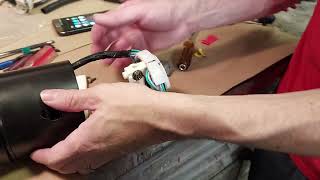
It's a common issue for the wire colors on an aftermarket switch to not perfectly match your Bronco's original wiring. Before you remove the old switch, take a clear photo or draw a diagram of the plug, noting which color wire goes into which position. This will be your guide for installing the new harness.
Frequently Asked Questions (FAQ)
Can I replace the turn signal switch myself?
Yes, this is a very common DIY job for Bronco owners. However, it requires a special steering wheel puller tool and patience. The most difficult part is often feeding the new wiring harness down through the tight space inside the steering column.
🎬 Watch: Step-by-step guide to removing and replacing the switchMy hazard lights work but my turn signals don't. Is it the switch?
This is a strong indicator that the switch is the problem. These trucks use two separate flasher units—one for turn signals and one for hazards. Power is routed through the switch differently for each function. If the hazard flasher and bulbs are working, the fault likely lies within the turn signal contacts of the switch.
Are there any recalls for the 1975-1984 Bronco turn signal switch?
No, searches of the National Highway Traffic Safety Administration (NHTSA) database did not find any open recalls or technical service bulletins (TSBs) specifically for the turn signal switch on the 1975-1984 Ford Bronco. Recalls for other Ford models or newer Broncos do exist but do not apply to this generation.
What tools do I need for the replacement?
You will need basic hand tools like a socket set and screwdrivers, a steering wheel puller, and potentially a pick and hook set to help release the pins from the electrical connector. Taking a picture of the wiring before disassembly is also highly recommended.
Helpful Videos
Technical Specifications
OEM Part Numbers: D8TZ-13341-A
Configuration is specific to tilt or non-tilt steering columns and automatic or manual transmissions. The switch acts as a multi-function unit controlling turn signals, hazard lights, brake light interrupt, and sometimes the horn. The wiring harness terminates in a large plastic connector at the base of the steering column.
We Have This Part in Stock


The information in this article is provided for general reference and educational purposes only. Vehicle specifications, procedures, and part compatibility can vary by production date, trim level, and region. Always consult your vehicle's factory service manual and verify part numbers before purchasing or performing repairs. Safety-critical components such as airbags, seat belts, and braking systems should be installed by a qualified professional.