

1975-1985 Chevrolet Impala Ported Vacuum Switch Guide
This small, temperature-sensitive switch is a key part of your Impala's engine and emissions system.
- A bad Ported Vacuum Switch often causes a vacuum leak, leading to a rough idle and stalling.
- Before ordering, you must match the new switch to the old one's color and number of ports.
- Standard Ignition is a common and reliable aftermarket brand for this part.
- This switch plays a role in preventing overheating at idle by controlling ignition timing.
Understanding Your Impala's Ported Vacuum Switch
On a carbureted engine like the one in your 1975-1985 Chevrolet Impala, engine vacuum is used to control multiple systems. The Ported Vacuum Switch (PVS) acts as a traffic controller for that vacuum, directing it based on engine temperature. These switches are essential for balancing performance, fuel economy, and emissions. They are typically made from a brass base with a plastic top where several vacuum hoses connect. After decades of heat cycles, the plastic can become brittle and crack, or the internal wax element that operates the valve can fail.
Symptoms of a Failing Ported Vacuum Switch
When a PVS fails, it can cause a variety of noticeable issues. Since these classic vehicles lack modern computer diagnostics, identifying physical symptoms is key.
- Rough Idle or Stalling: A common failure is for the plastic housing to crack, creating a vacuum leak. This leak disrupts the air-fuel mixture, leading to a rough, unstable idle and possible stalling.
- Engine Overheating in Traffic: Some PVS systems are designed to switch to full manifold vacuum when the engine gets too hot, which advances timing and increases idle speed to cool the engine down. If the switch fails, it can't perform this function, leading to rising temperatures when stationary.
- Poor Performance and Fuel Economy: If the switch is stuck and not allowing vacuum to the distributor advance at the right time, engine timing will not be optimal for different driving conditions. This can result in hesitation and reduced gas mileage.
- Failed Emissions Test: Since the PVS controls emissions-related components like the EGR valve, a faulty switch can cause your vehicle to fail a smog test.
Choosing the Right Aftermarket Part
Finding a new original GM or AC Delco PVS for a vehicle of this age is highly unlikely. The most practical and reliable option is a new aftermarket part. Standard Ignition is a widely available brand that produces a variety of these switches.
Match the Ports and Color!
Ported Vacuum Switches for the 1975-1985 Impala came in many different configurations. They can have two, three, or even more vacuum ports. They are also often color-coded (e.g., purple, green) to indicate their specific temperature ratings and function. Before ordering a new part, you must inspect your old switch and match the number of ports and its color exactly. Using the wrong switch can lead to poor engine performance.
Cost of Replacing a Ported Vacuum Switch (1975-1985 Impala)
| Part Type | Estimated Cost |
|---|---|
| New Aftermarket (Standard Ignition) | $45.84 - $86.51 |
| Shop Labor | $60 - $120 |
Cost estimates are approximate and can vary based on location and supplier.
Frequently Asked Questions
Can I bypass the Ported Vacuum Switch?
While some people do, it is not recommended. The PVS plays an important role in engine cooling, performance, and emissions. Bypassing it can lead to overheating, poor running conditions, and may be illegal in areas with emissions testing.
How do I know if my PVS is bad?
First, visually inspect it for cracks or broken vacuum nipples. A hissing sound near the switch at idle indicates a vacuum leak. You can also test it by placing it in hot water to see if it opens or closes its ports, but this requires knowing its specific temperature rating and function. Often, symptoms like a sudden rough idle are the first sign of a cracked switch.
Is replacing the PVS a difficult job?
No, this is generally an easy DIY task. It involves letting the engine cool, carefully removing the vacuum lines (label them!), and unscrewing the switch from the manifold or thermostat housing. Installation is the reverse of removal. Be careful not to overtighten the new switch.
Why are there so many different versions of this switch?
The switch's configuration depended on the specific engine (V6, V8), year, and the emissions equipment installed (Federal vs. California). Each variation used a different strategy for controlling vacuum, requiring a unique switch.
🎬 Watch this deep dive into how thermal vacuum switches function.Helpful Videos
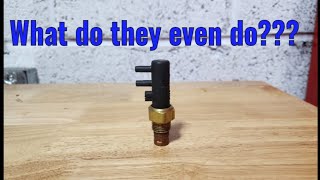
Technical Specifications
Varies by application. Must match original part's port count and color code. Typically threaded into the intake manifold or thermostat housing. Operates based on engine coolant temperature.
We Have This Part in Stock


The information in this article is provided for general reference and educational purposes only. Vehicle specifications, procedures, and part compatibility can vary by production date, trim level, and region. Always consult your vehicle's factory service manual and verify part numbers before purchasing or performing repairs. Safety-critical components such as airbags, seat belts, and braking systems should be installed by a qualified professional.