

Chevrolet P30 Automatic Transmission Mount (1975-1985) Replacement Guide
Stop the clunking and vibrations in your P30 by replacing your worn-out automatic transmission mount.
- A clunk when shifting and excessive vibration are the most common signs of a failed mount on a P30.
- Fix any engine or transmission fluid leaks before replacing the mount, as oil will destroy the new part's rubber.
- Replacement is DIY-friendly and takes about an hour with basic tools.
- Aftermarket brands like Anchor and Pioneer are the only practical options; OEM parts are no longer produced.
Signs of a Failing Transmission Mount
Because the P30 is a heavy-duty vehicle, its transmission mount is under constant stress. Over decades, the rubber in the mount will dry out, crack, or become saturated with leaking oil or transmission fluid, causing it to fail. When this happens, you'll notice some distinct symptoms.
- Clunking or Banging Noises: The most common sign is a loud clunk when you shift from park into drive or reverse. You might also hear this noise during hard acceleration or braking as the transmission shifts and hits other components.
- Excessive Vibrations: A bad mount can no longer absorb vibrations, so you'll feel them in the cabin, through the floor, and in the steering wheel. This can feel like the whole vehicle is shaking or buzzing, especially when accelerating.
- Drivetrain Movement: You might feel or even see the engine and transmission assembly lurch or rock excessively when you accelerate. This puts extra stress on engine mounts, driveshaft U-joints, and cooling lines. In severe cases, this misalignment can lead to transmission fluid leaks.
Known Issues for the Chevrolet P30
While no specific recalls or technical service bulletins (TSBs) exist for the transmission mount on the 1975-1985 P30, the primary cause of failure is age and fluid contamination. The rubber naturally degrades over 40+ years. Oil leaks from the engine's rear main seal or the transmission's front seal are common on these vehicles and will quickly destroy a new mount. Always fix oil leaks before or during mount replacement.
Choosing the Right Aftermarket Mount
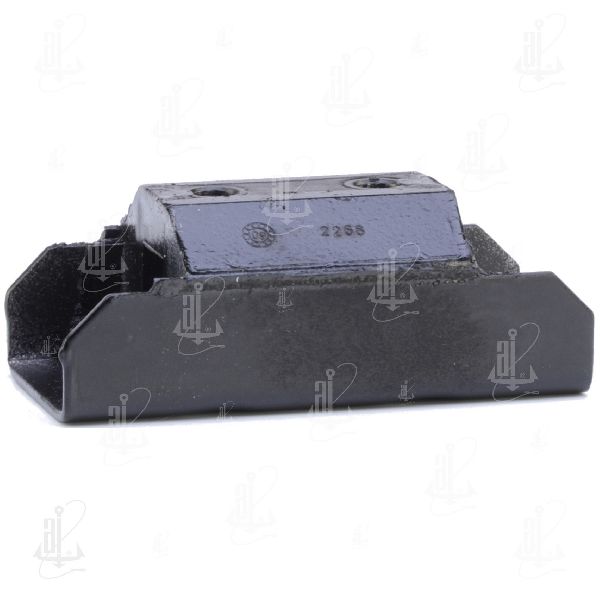
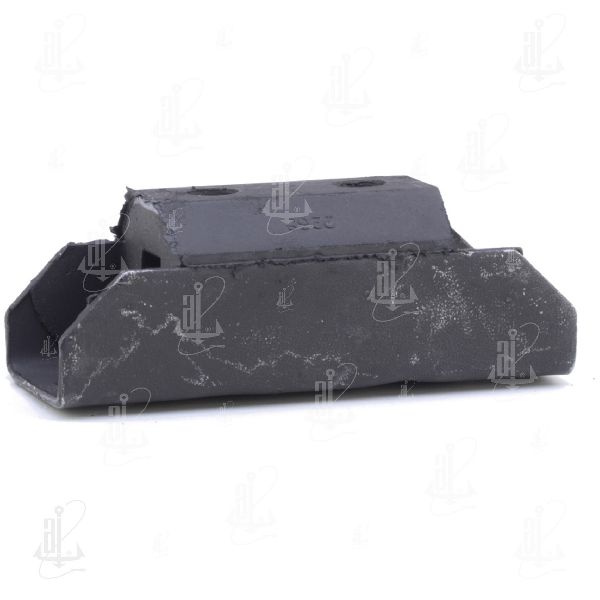
For a vehicle from this era, new OEM (Original Equipment Manufacturer) parts are generally unavailable. The aftermarket is your only realistic option. Brands like Anchor and Pioneer offer standard replacement-grade mounts that are affordable and widely available.
- Anchor: A very common, budget-friendly aftermarket brand. Some users report success with them, especially for less-sensitive applications like a transmission mount. However, others have noted inconsistent quality and harder rubber, which can increase vibration.
- Pioneer Cable: Often considered a slight step up from base-level brands. Reviews suggest they can be a good value, offering better fit and function than the cheapest options, though still not always matching original factory quality.
Pro Tip: For a heavy-duty P30, the durability of the rubber is key. While both Anchor and Pioneer are viable budget options, inspect the part upon arrival. The metal should be of a decent thickness, and the rubber should be pliable, not rock-hard. Given the low cost, either brand provides a functional replacement to restore proper drivetrain stability.
Cost of Replacing a Transmission Mount (1975-1985 Chevrolet P30)
| Part/Service | Estimated Cost |
|---|---|
| New Aftermarket Mount | $11.55 - $14.90 |
| Shop Labor | $100 - $250 |
| Total Estimated Cost | $115 - $265 |
Cost estimates are based on national averages and may vary by location and shop.
Frequently Asked Questions (FAQ)
Can I replace the transmission mount myself?
Yes, this is a DIY-feasible job for someone with basic mechanical skills. It involves supporting the transmission with a jack, unbolting the old mount from the crossmember and transmission, and installing the new one. You will need a good set of wrenches/sockets, a floor jack, and jack stands for safety. The entire process typically takes about one hour.
How do I know it's the transmission mount and not an engine mount?
The symptoms are very similar. A good way to check is to have a helper safely observe the engine and transmission while you, with the parking brake set and your foot firmly on the brake, shift from park to drive and then to reverse. Excessive movement at the rear of the transmission points to a bad transmission mount, while movement at the front of the engine indicates bad engine mounts. Often, if one is bad, the others are not far behind, and it's good practice to replace them all.
What happens if I don't replace a bad mount?
Ignoring a failed transmission mount can lead to more expensive repairs. The constant movement can damage the engine mounts, driveshaft, U-joints, exhaust pipes, and transmission cooling lines. In extreme cases, it can cause the transmission case itself to crack.
Are all 1975-1985 P30 transmission mounts the same?
For the most part, yes, but it's always critical to verify the part number for your specific year and engine/transmission combination. While many GM trucks of this era shared parts, there can be minor differences. Always double-check fitment before ordering.
Technical Specifications
OEM Part Numbers: 334941 3781950
Standard rear-wheel-drive style transmission mount with a rubber block bonded between two metal plates. Secures the tailshaft of the automatic transmission to the vehicle's crossmember.
We Have This Part in Stock


The information in this article is provided for general reference and educational purposes only. Vehicle specifications, procedures, and part compatibility can vary by production date, trim level, and region. Always consult your vehicle's factory service manual and verify part numbers before purchasing or performing repairs. Safety-critical components such as airbags, seat belts, and braking systems should be installed by a qualified professional.