

A/C Compressor Replacement Guide for 1975-1985 Ford Mustang
Everything you need to know to get the air conditioning working in your Mustang II or Fox Body.
- A compressor replacement on a 1975-1985 Mustang requires a full system conversion from the original R12 refrigerant to modern R134a.
- For a lasting repair, you must also replace the accumulator/drier and the orifice tube along with the compressor.
- Consider upgrading to a modern parallel-flow condenser for the best cooling performance with R134a.
- The A/C system must be professionally evacuated before work begins and properly vacuumed and recharged by weight after the new parts are installed.
Symptoms of a Bad A/C Compressor
When your A/C compressor starts to fail, it usually gives a few warning signs. Ignoring them can lead to a more expensive repair down the road.
- No Cold Air: The most obvious symptom. If the compressor isn't pressurizing the refrigerant, the system can't cool the air.
- Loud Noises: Grinding or squealing noises when the A/C is turned on can indicate failing bearings or internal parts inside the compressor.
- Visible Leaks: The compressor contains oil. If you see oily residue on the compressor body, it could be a sign that the seals have failed.
- A/C Clutch Not Engaging: The outer pulley on the compressor should always spin with the engine belt. The inner hub only engages when you turn the A/C on. If it doesn't click on, it could be an issue with the clutch, a bad relay, or a system that's too low on refrigerant to activate.
The R12 to R134a Conversion is Not Optional
Your 1975-1985 Mustang came from the factory with an A/C system designed for R12 (Freon) refrigerant. Due to environmental regulations, R12 was phased out in the mid-1990s and is no longer available to the public. When you replace your compressor, you must convert the entire system to use the modern R134a refrigerant. This is more than just changing the service ports; for the system to work correctly and last, you must replace several key components.
Choosing the Right Aftermarket Compressor
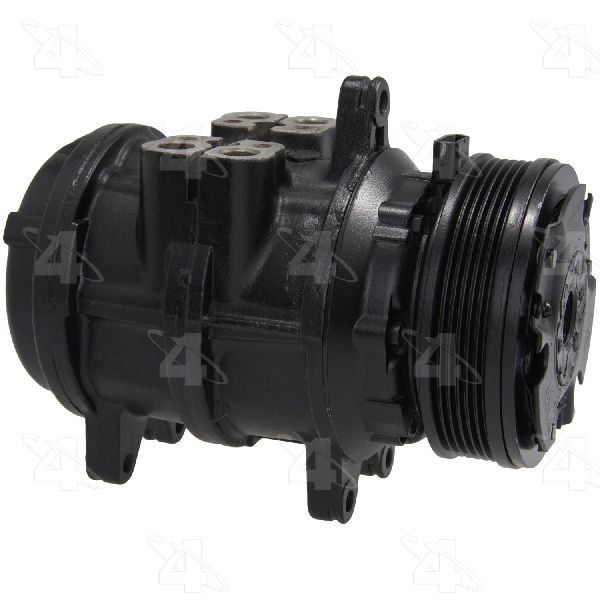
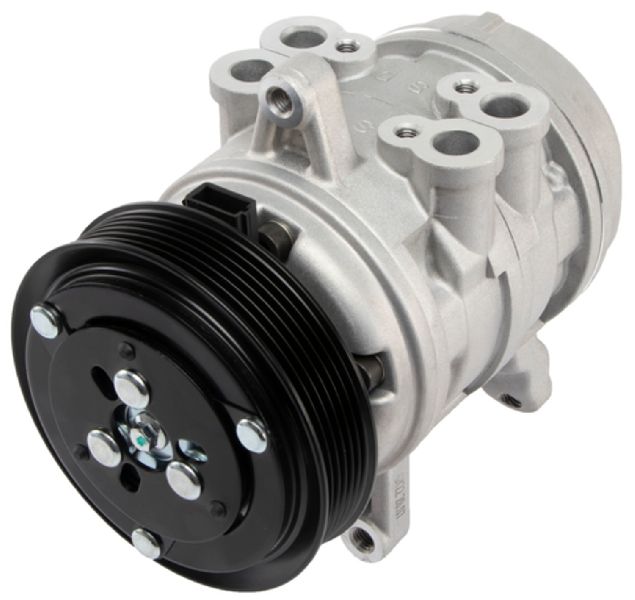
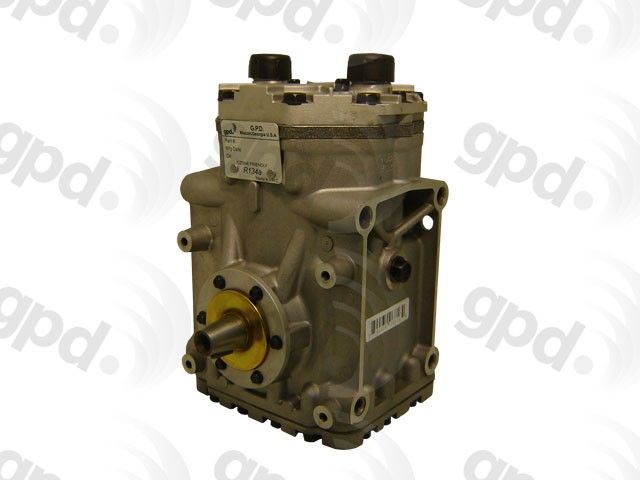
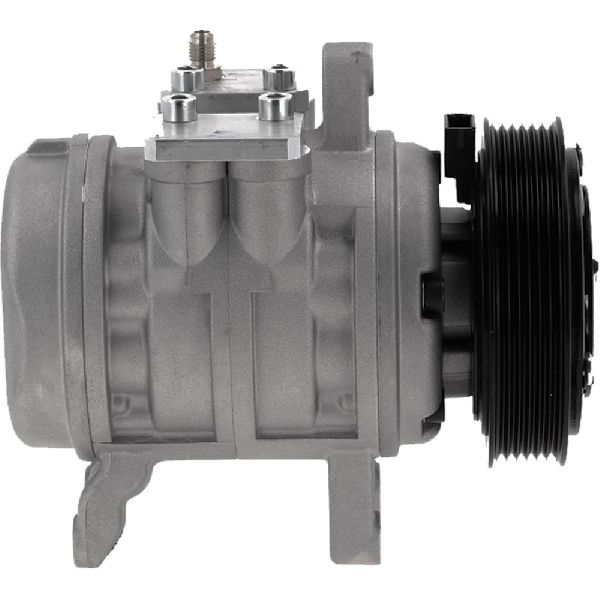
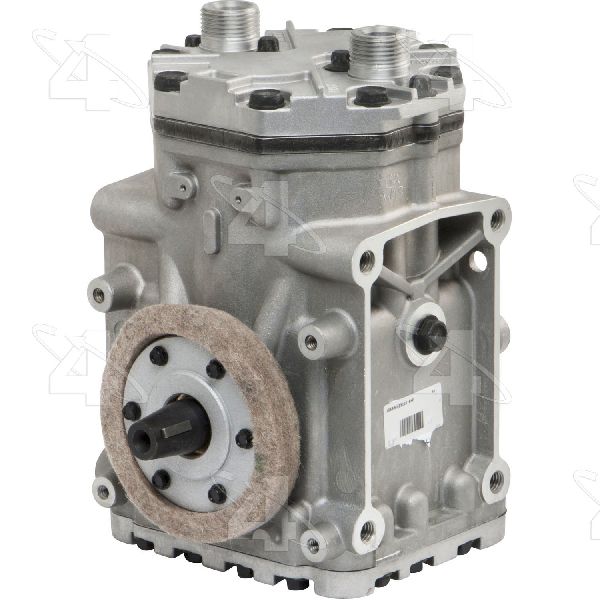
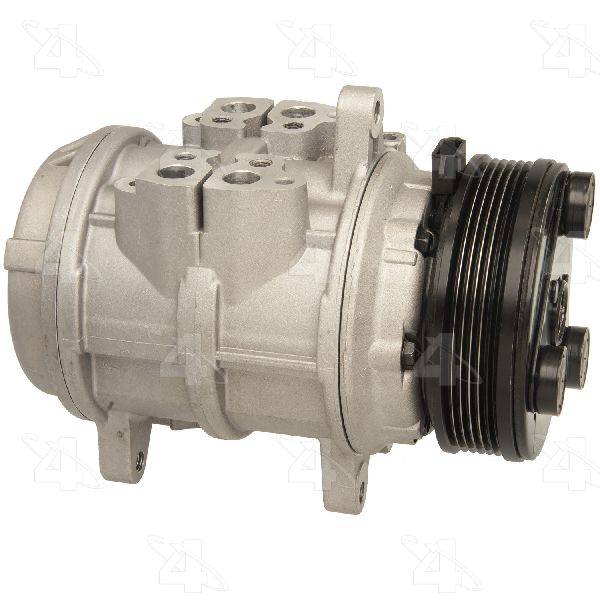
For a vehicle of this age, new Original Equipment (OEM) Ford compressors are not a realistic option. Your choice will be a new aftermarket compressor. The two main brands you will find are Four Seasons and Global Parts Distributors (GPD).
- Brand Quality: Both Four Seasons and GPD are established aftermarket suppliers. Forum discussions among Mustang owners show mixed experiences with aftermarket compressors; some work for years, while others have failed prematurely. Often, failure is not due to the compressor itself, but from improper installation, such as not flushing the system or not adding the correct amount of oil.
- Buy a Kit, Not Just a Compressor: The best way to ensure a successful R134a conversion is to buy a complete kit. At a minimum, along with the new compressor, you must also replace the A/C Accumulator (or Drier) and the Orifice Tube. The accumulator removes moisture from the system, and installing a new one is required for warranty on most new compressors. The orifice tube is a small filter that can get clogged with debris from the old compressor. Reusing old parts is the #1 cause of new compressor failure.
Pro Tip: Upgrade Your Condenser
While not strictly required, most experts strongly recommend replacing the original tube-and-fin condenser with a modern parallel-flow condenser. R134a runs at higher pressures, and a parallel-flow condenser is much more efficient at dissipating heat, which will result in colder air from your vents.
Cost of Replacing Your A/C Compressor
The cost can be broken down into parts and labor. Doing the job right involves more than just the compressor.
| Part/Service | Estimated Cost |
|---|---|
| New Aftermarket A/C Compressor | $223.65 - $457.95 |
| Accumulator/Drier & Orifice Tube | $30 - $70 |
| Shop Labor & System Recharge | $250 - $500 |
| Total Estimated Cost | $500 - $1000+ |
Frequently Asked Questions
Do I have to convert to R134a?
Yes. R12 refrigerant is no longer manufactured and is not legally available for DIY use. All new aftermarket compressors are designed to be used with R134a-compatible oil (like PAG oil) and will fail if used with leftover R12 and mineral oil.
Why do I have to replace the accumulator and orifice tube?
The accumulator contains a desiccant material that absorbs moisture. Once exposed to the air during replacement, it's saturated and can't be reused. If your old compressor failed internally, it sent tiny metal shavings throughout the system; the orifice tube and accumulator are often clogged with this debris. Not replacing them will cause your new compressor to fail very quickly.
Can I replace the A/C compressor myself?
This is an advanced DIY job. While bolting on the compressor is straightforward, a successful A/C repair requires specialized tools. You need a manifold gauge set, a vacuum pump to boil all moisture out of the system, and refrigerant charging equipment. Also, it is illegal to vent refrigerant into the atmosphere, so the old refrigerant must be recovered by a licensed shop before you begin. For most owners, it's best to have a professional perform the final vacuum and recharge.
What is A/C "Black Death"?
This term refers to a catastrophic compressor failure where internal components break apart, sending a thick, black sludge of metal shavings and burnt oil throughout the entire A/C system. If this happens, you must replace not only the compressor, accumulator, and orifice tube, but also the condenser and all of the A/C lines to prevent immediate failure of the new parts.
Technical Specifications
Compressor type and part numbers vary significantly between Mustang II (1975-1978) and Fox Body (1979-1985) models, and even within the Fox Body years. Many Fox Body models used a Nippon-Denso 6P148A style compressor. It is critical to match the new compressor to your specific year and engine. The most important factor is ensuring the new compressor is compatible with R134a refrigerant and PAG oil.
We Have This Part in Stock

The information in this article is provided for general reference and educational purposes only. Vehicle specifications, procedures, and part compatibility can vary by production date, trim level, and region. Always consult your vehicle's factory service manual and verify part numbers before purchasing or performing repairs. Safety-critical components such as airbags, seat belts, and braking systems should be installed by a qualified professional.