

Ford Mustang Automatic Transmission Mount Guide (1975-1985)
Clunking noises and vibrations in your Mustang could be a sign of a bad transmission mount.
- Symptoms like clunking noises and new vibrations are strong indicators of a failed transmission mount.
- Choose a standard rubber mount (Anchor, Westar) for a quiet, factory-like ride or a polyurethane mount (Prothane) for performance and durability at the cost of more vibration.
- This is a simple, one-hour DIY job for most home mechanics with basic tools.
- Verify fitment for your specific year and engine, as some aftermarket parts may have height differences or require new hardware.
Is Your Mustang's Transmission Mount Failing?
The transmission mount on a 1975-1985 Mustang is a simple rubber and metal part that wears out over time. Exposure to heat, oil, and road grime causes the rubber to crack, soften, or break. When it fails, the transmission is no longer held securely. This can cause a range of issues, from annoying noises to drivetrain problems.
Symptoms of a Bad Transmission Mount
If your mount is bad, you'll likely notice one or more of these signs:
- Clunking or Banging Noises: This is the most common symptom. You may hear a distinct "clunk" or "thump" when you accelerate, brake hard, or shift gears from park to reverse or drive. This sound is the transmission moving excessively and hitting other components.
- Excessive Vibrations: A worn-out mount can no longer absorb drivetrain vibrations. You might feel a new or stronger vibration through the floor, seats, or steering wheel, especially when accelerating.
- Visible Engine and Transmission Movement: With the help of a friend, you can check for this. With the parking brake on and the car in gear, watch the engine and transmission as the gas is lightly pressed. If you see the engine and transmission assembly lurch or move excessively, the mount is likely bad.
- Shifting Difficulties: In some cases, a bad mount can cause the transmission to become misaligned, leading to difficulty shifting gears smoothly.
Check for a Bad Mount
You can perform a quick check at home. With the vehicle safely supported on jack stands, you can get underneath and try to move the rear of the transmission (the tailshaft) up and down with a pry bar. If there is significant movement, the rubber in the mount is likely worn out and needs replacement.
Choosing the Right Aftermarket Mount
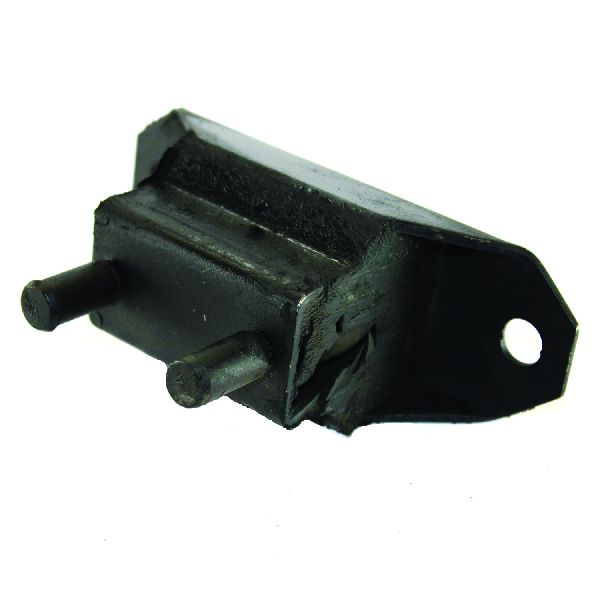
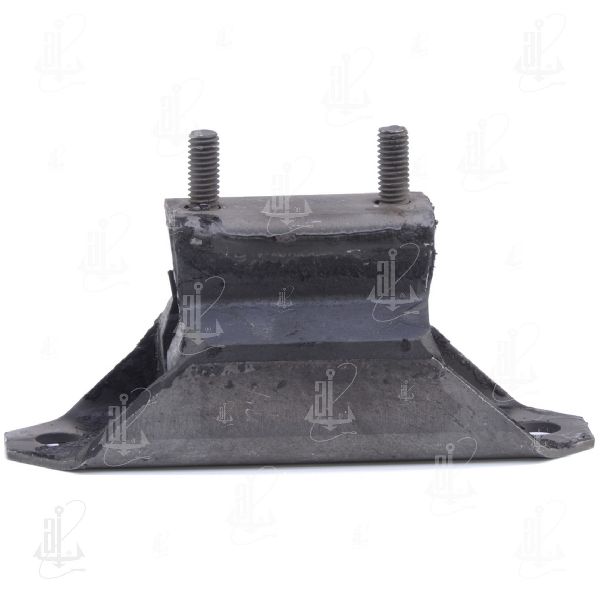
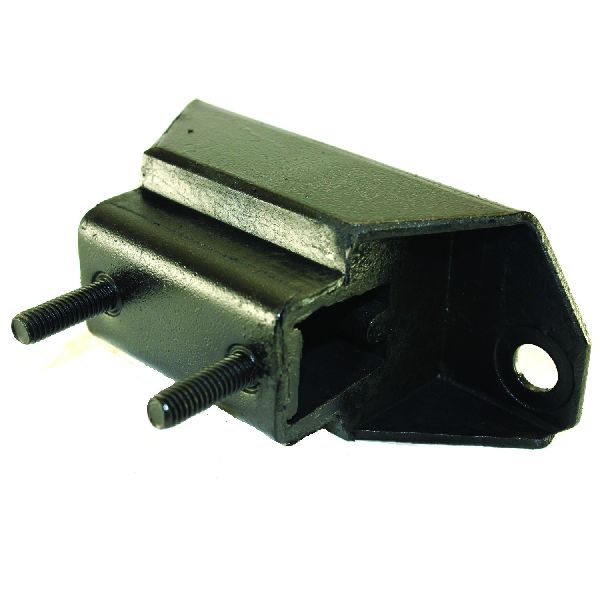
For a vehicle from this era, original Ford (OEM) parts are generally unavailable. Aftermarket replacements are your main option. They fall into two categories: standard rubber mounts and performance polyurethane mounts.
Tier 1: Standard Replacement (Rubber)
Brands: Anchor, DEA, Westar
These brands produce affordable, direct-replacement mounts designed to restore the original ride quality. They use rubber to absorb vibrations, just like the factory part. For a daily driven Mustang where comfort is a priority, a standard rubber mount is the right choice. However, be aware that some users in online forums report that budget brands can have issues with fitment and may not last as long as the original part. They are generally considered a functional, if basic, replacement.
Tier 2: Performance Upgrade (Polyurethane)
Brand: Prothane
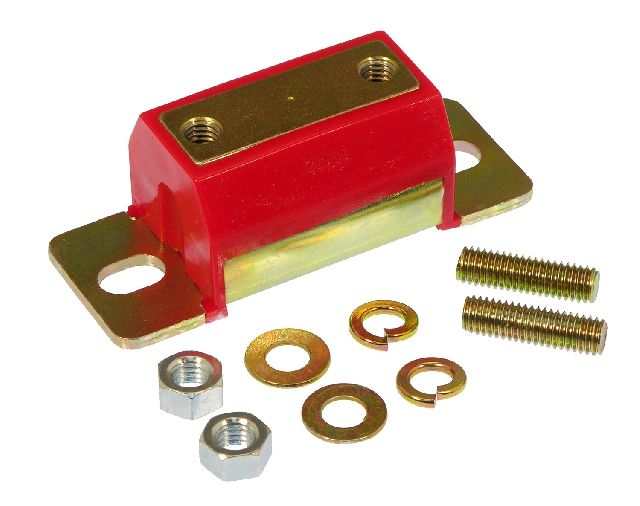
Prothane offers mounts made from polyurethane, a much stiffer and more durable material than rubber. A polyurethane mount is a performance upgrade designed to eliminate drivetrain flex, which can improve shifting and put more power to the wheels. These mounts are highly resistant to oil and chemicals that destroy rubber. The main trade-off is a significant increase in Noise, Vibration, and Harshness (NVH) felt inside the car. This is a great choice for a performance or track-focused Mustang where durability is more important than a quiet, smooth ride.
Common Ordering Mistakes & Fitment Issues
The 1975-1985 period covers both the Mustang II and the early Fox Body platform. Be sure to verify the part fits your specific year and engine combination. Some aftermarket mounts for Fox Body Mustangs (1979-1985) may be slightly taller than the original, which can cause issues with shifter alignment and exhaust clearance. Additionally, some replacement mounts for 1979-1985 models require new mounting nuts, as the factory hardware may not be compatible.
Cost of Replacing a Transmission Mount
| Part Type | Estimated Cost |
|---|---|
| New Aftermarket (Rubber - Anchor, DEA, Westar) | $16 - $35 |
| New Aftermarket (Polyurethane - Prothane) | $45 - $55 |
| Shop Labor | $100 - $180 |
Cost estimates are for the part only and do not include taxes or shipping. Labor costs are estimates and will vary by location and shop.
Frequently Asked Questions
What's the difference between a rubber and a polyurethane mount?
Rubber mounts are soft and designed to absorb vibrations for a comfortable ride, but they can wear out and tear. Polyurethane mounts are much stiffer and more durable, designed for performance by reducing movement, but they transmit more vibration and noise into the car.
Will a new polyurethane mount make my car vibrate more?
Yes. Upgrading to a polyurethane mount from a brand like Prothane will cause a noticeable increase in cabin noise and vibration. This is normal for this type of performance part, as it sacrifices comfort for increased durability and drivetrain stability.
Can I replace the transmission mount myself?
Yes, this is a DIY-friendly job for a beginner. The process involves safely supporting the vehicle on jack stands, supporting the transmission with a floor jack, unbolting the old mount, and installing the new one. It typically takes about an hour with basic hand tools.
Are there any recalls for the 1975-1985 Mustang transmission mount?
Searches of the NHTSA database did not find any recalls or technical service bulletins (TSBs) specifically related to the transmission mount for the 1975-1985 Ford Mustang. Recalls found were for different components on much newer model years.
Technical Specifications
The primary specification is the material: either standard-durometer rubber for vibration absorption or high-durometer polyurethane for performance and durability. The physical dimensions, particularly the height, are critical for correct drivetrain alignment.
We Have This Part in Stock

The information in this article is provided for general reference and educational purposes only. Vehicle specifications, procedures, and part compatibility can vary by production date, trim level, and region. Always consult your vehicle's factory service manual and verify part numbers before purchasing or performing repairs. Safety-critical components such as airbags, seat belts, and braking systems should be installed by a qualified professional.
- 🛍️ Shop This Part
- Is Your Mustang's Transmission Mount Failing?
- Symptoms of a Bad Transmission Mount
- Check for a Bad Mount
- Choosing the Right Aftermarket Mount
- Tier 1: Standard Replacement (Rubber)
- Tier 2: Performance Upgrade (Polyurethane)
- Common Ordering Mistakes & Fitment Issues
- Cost of Replacing a Transmission Mount
- Frequently Asked Questions
- 🎟️ Get 5% Off