

Buick Riviera Horn Replacement Guide (1975-1986)
If your Riviera's horn is silent, weak, or won't stop honking, this guide is for you.
- Horn failure is a critical safety issue; diagnose and repair it promptly.
- The problem is often not the horn itself but the relay, ground connection, or steering column wiring.
- Replacement is a simple DIY job, usually requiring only basic hand tools.
- Standard Ignition is a trusted aftermarket brand for this part, offering OE-level quality.
Is Your Buick Riviera's Horn Failing?
A horn that doesn't work is more than just an annoyance; it's a failed safety inspection waiting to happen and a serious risk on the road. For 1975-1986 Buick Rivieras, horn problems are common due to age. The issue isn't always the horn itself. Often, it's a part of the simple electrical circuit that has failed after decades of use. Before you buy a new horn, it's worth checking the basics.
Before You Buy: Check These First
Many horn issues on these GM vehicles are caused by other components. Save time and money by checking these first:
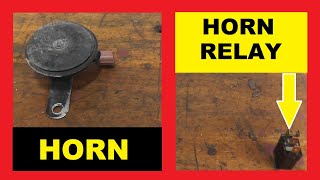
- The Horn Relay: This is a common failure point. It's a small box, usually on the driver's side inner fender, that clicks when you press the horn. If you don't hear a click, the relay might be bad. 🎬 See this guide on testing and replacing your horn relay
- Wiring and Grounds: Connections can get corroded after 40+ years. Check the wire plugged into the horn and make sure the horn's metal mounting bracket has a clean, rust-free connection to the car's frame. A bad ground is a very common problem. 🎬 Watch: Troubleshooting horn issues on a classic GM vehicle
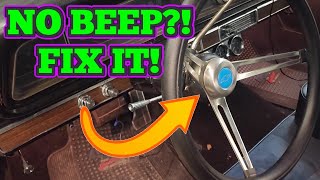
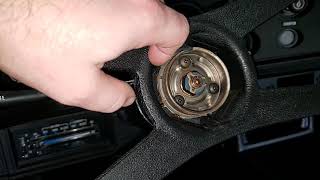
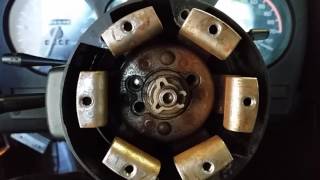
- Steering Column Issues: The horn button itself or the wiring inside the steering column can wear out. A common issue is a broken ground strap on the steering 'rag joint' where the column connects to the steering box. If the horn honks by itself, the problem is almost certainly a short circuit in the steering column. 🎬 Watch: How to fix horn issues inside the steering column
Choosing the Right Aftermarket Horn
For a vintage car like the 1975-1986 Riviera, finding a new horn from GM (OEM) is nearly impossible. The good news is that aftermarket horns are affordable and readily available. The quality of a modern aftermarket part is often just as good, if not better, than an original part that's been sitting on a shelf for decades.
Brand Quality Tiers
- Standard Ignition: A well-respected brand in the aftermarket world. Standard Ignition parts are known for being reliable, durable, and designed to fit just like the original. For a critical safety part, this is a trusted choice.
- Replacement: This brand offers a cost-effective solution. It's a basic, no-frills part that will get the job done. While it may not have the same brand recognition as Standard Ignition, it's a perfectly good option for getting your horn working again on a budget.
Pro Tip: Your Riviera likely has two horns (a high and a low note). If one has failed, the other is probably not far behind. It's often a good idea to replace them in pairs to ensure a strong, correct tone.
Aftermarket Horn Cost for 1975-1986 Buick Riviera
| Brand | Price Range |
|---|---|
| Replacement | $36.29 - $45.00 |
| Standard Ignition | $45.00 - $57.52 |
(Prices are estimates and subject to change.)
Frequently Asked Questions
Where is the horn located on my 1975-1986 Riviera?
The horns are typically located in the engine bay, mounted to the radiator support frame or on the inner fender walls. You will usually see two of them, often trumpet-shaped, bolted to the car's frame near the front.
Can I replace the horn myself?
Yes, this is a very simple job for a DIY mechanic. It usually involves unplugging one electrical connector and removing one or two bolts. The most important tool is a wire brush to clean the mounting point to ensure a good ground connection.
My horn works, but it sounds weak. Does it need to be replaced?
A weak sound can be caused by a poor electrical connection or a failing horn. First, try cleaning the electrical plug and the ground connection where the horn bolts to the frame. If that doesn't help, the horn itself has likely failed internally and needs to be replaced. Since these cars have high and low tone horns, it's possible one of the two has failed, resulting in a weaker, single-tone sound.
Did my Riviera come with special horns?
Most Rivieras used a standard two-horn setup with a high and low note. However, some high-end models had an optional four-note horn system for a more musical chord. If you are replacing horns on a four-note system, be sure to match the specific note (often marked on the horn itself) you are replacing.
Helpful Videos
Technical Specifications
Voltage: 12V. Configuration: High Note / Low Note pair.
We Have This Part in Stock


The information in this article is provided for general reference and educational purposes only. Vehicle specifications, procedures, and part compatibility can vary by production date, trim level, and region. Always consult your vehicle's factory service manual and verify part numbers before purchasing or performing repairs. Safety-critical components such as airbags, seat belts, and braking systems should be installed by a qualified professional.