

Chevrolet C10 Automatic Transmission Mount: A Complete Guide for 1975-1986
Stop the clunking and shaking in your Square Body with the right transmission mount.
- A clunking noise on acceleration is the #1 symptom of a bad transmission mount on a C10.
- Oil and fluid leaks are a primary cause of mount failure; fix leaks before installing a new mount.
- For a stock ride, choose a quality rubber mount; for performance or durability, upgrade to polyurethane.
- Replacement is simple and can be done at home in about an hour with a jack and basic tools.
Is Your C10's Transmission Mount Failing?
The transmission mount on a 1975-1986 C10 is a simple, hardworking part. Because these trucks are often 40+ years old, the original rubber mount is likely worn out, cracked, or soaked in oil. When it fails, the transmission can move around excessively, leading to a number of noticeable problems. Ignoring a bad mount can put stress on your engine mounts, exhaust system, and driveshaft.
Common Symptoms of a Bad Transmission Mount
- Clunking Noises: A loud "clunk" or "bang" when you accelerate, decelerate, or shift from park into drive or reverse is the most common sign. This is the sound of the transmission lifting or shifting and hitting the frame.
- Excessive Vibration: If you feel a new or heavy vibration in the floor or seat, especially while idling or accelerating, the mount's rubber may have failed. The mount is designed to absorb these vibrations, so feeling them means it's not doing its job.
- Shifter Movement: You might see the shifter jump or move when you step on the gas. This is a direct sign that the entire transmission is rocking back and forth.
Oil Leaks Are a Mount Killer
The most common killer of a transmission mount on a classic truck is fluid contamination. Leaks from the engine's rear main seal or the transmission's pan gasket will drip directly onto the mount. Oil and transmission fluid soften and destroy the rubber, causing it to fail prematurely. If you're replacing a mount, find and fix the source of any leaks first.
Choosing the Right Aftermarket Mount for Your C10
For a vehicle of this age, aftermarket parts are the most common and affordable option. However, quality varies greatly. The mounts can be broken down into three tiers.
Tier 1: Economy Rubber Mounts (Anchor, DEA)
These are the cheapest options available. While the low price is tempting, many professional mechanics and experienced owners report issues with these brands. Common complaints include poor fitment, very hard rubber that transmits more vibration than the old worn part, and extremely short service life. They might work in a pinch, but you may find yourself replacing them again soon.
Tier 2: Standard Replacement Rubber Mounts (Pioneer)
Brands like Pioneer are often considered a step up, offering a better balance of quality and price. Forum users and reviews suggest these mounts have better fit and finish, looking and performing much closer to the original factory part. For a stock daily driver or a restoration where you want the original feel, a quality rubber mount like this is a solid choice.
Tier 3: Performance Polyurethane Mounts (Daystar, Lakewood)
If you have a high-horsepower engine, use your truck for towing, or simply want a more durable, long-lasting solution, polyurethane (poly) is the way to go. Brands like Daystar and Lakewood specialize in these.
- Durability: Polyurethane is much stronger than rubber and is highly resistant to oil, chemicals, and road grime.
- Performance: It deflects less than rubber, meaning more power is sent to the wheels instead of being lost to drivetrain movement. Lakewood mounts often include safety interlocks to prevent separation under extreme torque.
- Downside: The stiffness that makes poly durable can also transmit more vibration and noise (NVH) into the cab compared to a soft rubber mount. For a work truck or performance build this is usually acceptable, but it might be noticeable on a comfortable cruiser.
Pro Tip: Check for a Spacer
When you remove your old mount, check to see if there is a metal spacer between the mount and the transmission. Some C10 models used a factory spacer to achieve the correct driveline angle. If your truck has one, make sure to reinstall it with the new mount.
Cost to Replace a C10 Transmission Mount
This is one of the more affordable and straightforward repairs you can do on your truck.
| Item | Estimated Cost |
|---|---|
| Aftermarket Rubber Mount (Economy) | $7 - $12 |
| Aftermarket Rubber Mount (Standard) | $12 - $20 |
| Aftermarket Polyurethane Mount | $35 - $105 |
| Shop Labor | $100 - $200 |
Frequently Asked Questions
Can I replace a C10 transmission mount myself?
Yes, this is a great DIY job for beginners. The process is simple: support the transmission tail shaft with a block of wood and a jack, unbolt the mount from the crossmember, unbolt it from the transmission, and install the new one in reverse order. The entire job can usually be done in under an hour with basic hand tools.
Should I choose rubber or polyurethane?
For a stock truck used for cruising, a quality rubber mount (like Pioneer) will give you the smoothest, quietest ride. For a work truck, a modified truck with more power, or if you've had to replace mounts due to oil leaks, a polyurethane mount (like Daystar or Lakewood) is a better long-term investment due to its superior durability.
Are there any recalls for the C10 transmission mount?
No. Searches of the National Highway Traffic Safety Administration (NHTSA) database show no recalls or technical service bulletins (TSBs) related to the transmission mount for the 1975-1986 Chevrolet C10.
What's the difference between a TH350 and TH400 mount?
The mount itself is often the same for both transmissions, but the bolt hole spacing on the transmission case can differ. Most aftermarket mounts are designed with slots or multiple holes to fit various GM transmissions from this era, including the TH350, TH400, and 700R4. Always confirm the fitment for your specific year and transmission before purchasing.
Technical Specifications
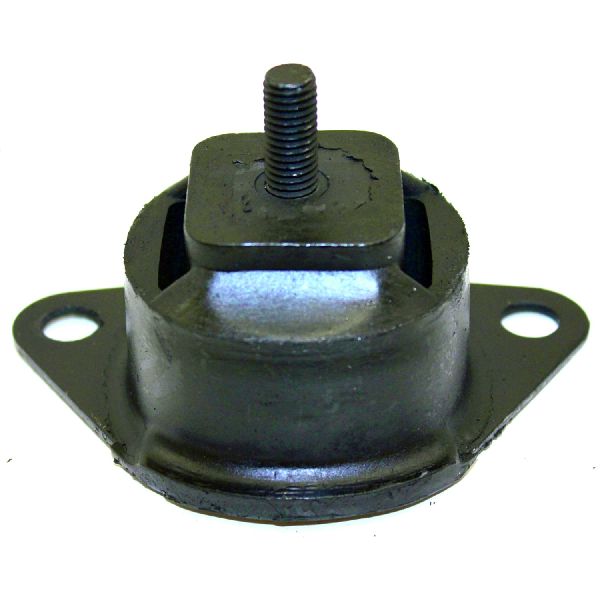
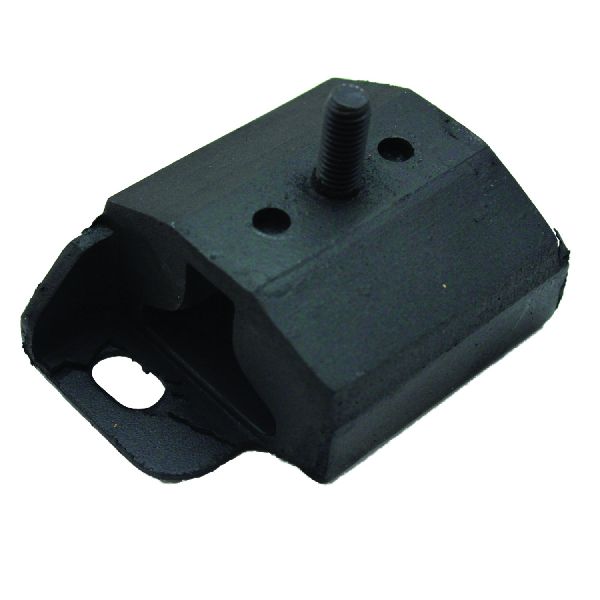
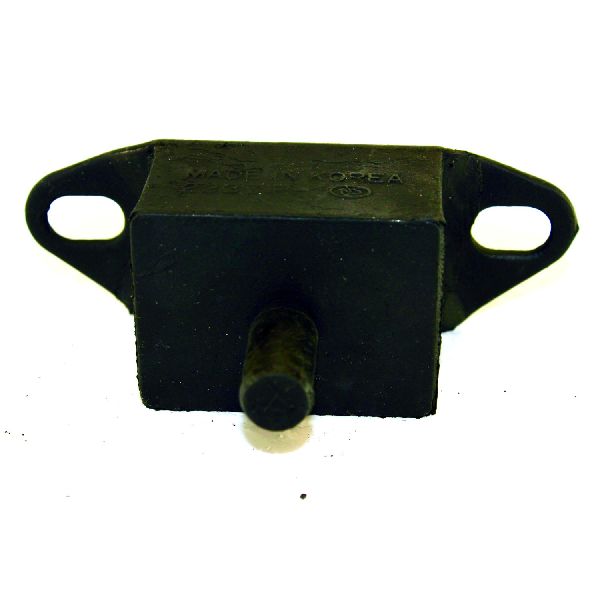
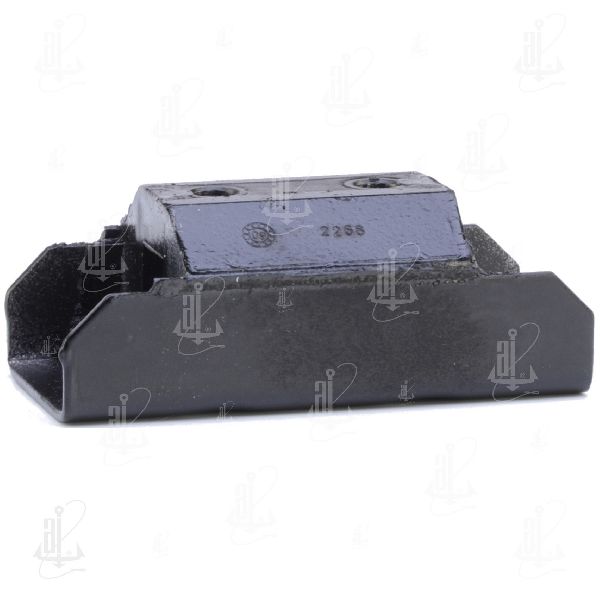
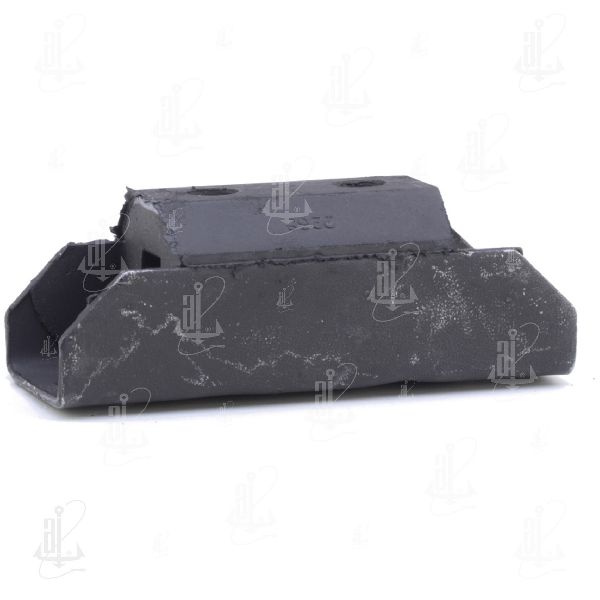
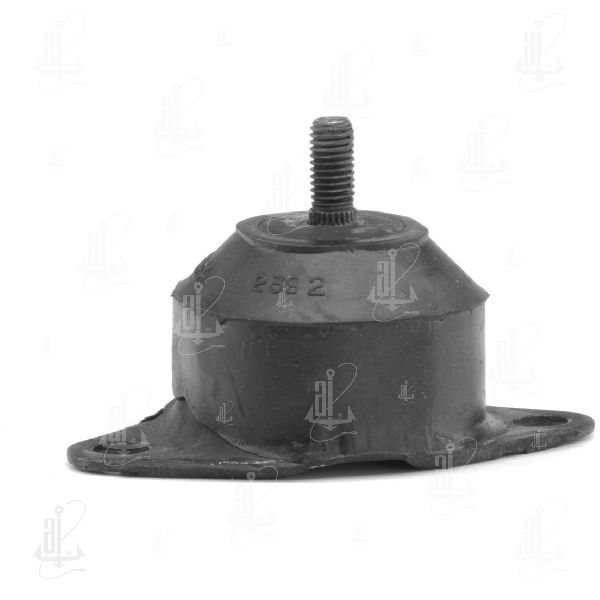
The standard mount for this application is a single-stud design that bolts to the transmission crossmember. It features two bolt holes to attach to the transmission tail housing. Most aftermarket mounts are designed to be universal for several GM transmissions of the era, including the TH350, TH400, and 700R4.
We Have This Part in Stock

The information in this article is provided for general reference and educational purposes only. Vehicle specifications, procedures, and part compatibility can vary by production date, trim level, and region. Always consult your vehicle's factory service manual and verify part numbers before purchasing or performing repairs. Safety-critical components such as airbags, seat belts, and braking systems should be installed by a qualified professional.
- 🛍️ Shop This Part
- Is Your C10's Transmission Mount Failing?
- Common Symptoms of a Bad Transmission Mount
- Oil Leaks Are a Mount Killer
- Choosing the Right Aftermarket Mount for Your C10
- Tier 1: Economy Rubber Mounts (Anchor, DEA)
- Tier 2: Standard Replacement Rubber Mounts (Pioneer)
- Tier 3: Performance Polyurethane Mounts (Daystar, Lakewood)
- Pro Tip: Check for a Spacer
- Cost to Replace a C10 Transmission Mount
- Frequently Asked Questions
- 🎟️ Get 5% Off