

A Practical Guide to the Distributor for 1975-1986 Chevrolet C10 Trucks
Solve rough running and starting problems by choosing the right new distributor for your classic C10.
- Upgrading from an old points distributor to a new HEI unit is the single best reliability and performance improvement for the ignition system.
- After installing any new distributor, you must set the engine's ignition timing with a timing light.
- For a stock or lightly modified engine, a reliable HEI from a brand like Pertronix or a quality standard replacement is sufficient; high-end brands like MSD are for performance applications.
- Always inspect or replace the distributor cap, rotor, and spark plug wires when diagnosing ignition problems or replacing the distributor.
Signs of a Failing Distributor

When a distributor starts to fail, your truck will let you know. Because it controls spark timing, any problem can cause significant engine issues. The most common failures come from a worn-out distributor cap and rotor, but the internal electronics can also go bad.
- Engine Misfires or Rough Idle: The engine may shake, stumble, or run unevenly, especially when stopped.
- Trouble Starting: The engine may crank for a long time before it starts, or it might not start at all. A common cause for a no-spark condition is a bad cap, rotor, or internal ignition module.
- Hesitation or Poor Acceleration: When you press the gas, the truck might hesitate or feel sluggish because the spark timing is incorrect.
- Backfiring: A loud pop from the engine or exhaust can happen when unburned fuel ignites at the wrong time, a sign of a timing issue.
- Shaking or Vibrating: A distributor problem can throw off the engine's firing order, causing the whole truck to shake. 🎬 Watch: A guide to diagnosing and fixing distributor symptoms.
Points vs. HEI: A Critical Choice
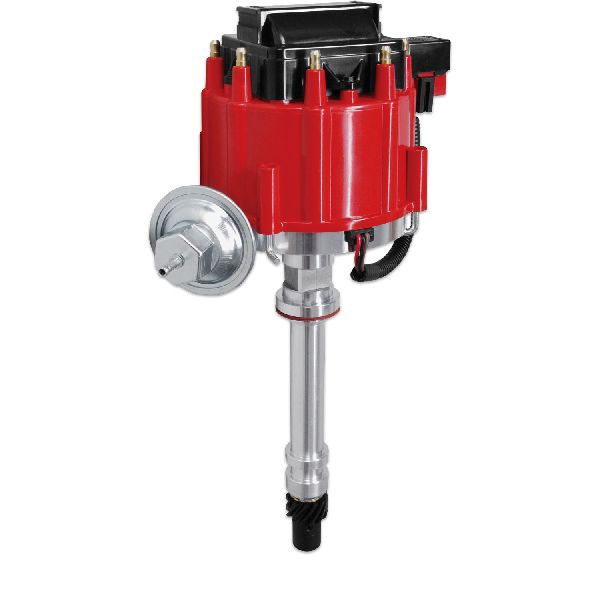
If your C10 was built in the mid-1970s, it might have an old points-style distributor. These are mechanical and need frequent maintenance. Upgrading to a High Energy Ignition (HEI) distributor is one of the most common and effective reliability improvements you can make. HEI systems provide a hotter, more consistent spark, leading to easier starts, better throttle response, and less maintenance. When buying a new HEI distributor, you will also need compatible spark plug wires.
Choosing the Right Aftermarket Distributor

With no new OEM distributors available, the aftermarket is your only option. Brands fall into a few different quality and performance tiers.
Tier 1: Performance Brands
These brands are for owners who want the best in performance and reliability, especially for modified engines. They are the most expensive but offer superior spark energy and build quality.
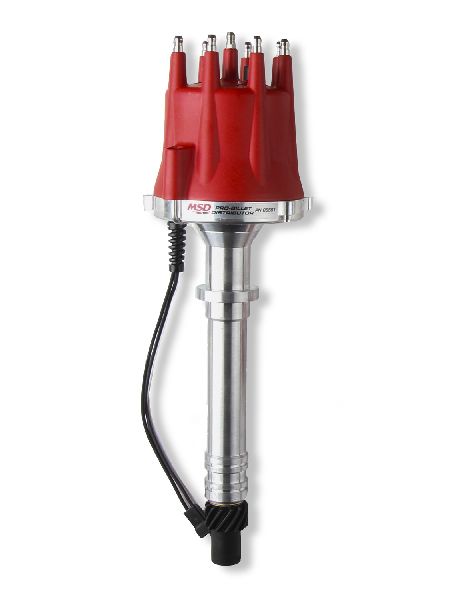
- MSD: Widely considered a top-tier brand for performance ignition systems. Their 'Ready-to-Run' distributors are popular because they are a simple, all-in-one unit that provides a powerful spark without needing an external ignition control box.
- Edelbrock: Another premium brand known for high-performance engine parts, offering quality distributors that pair well with their other components.
Tier 2: Reliable Upgrade Brands
These brands offer a significant improvement over stock, especially when upgrading from points, without the high cost of a full race-spec part.
- Pertronix: A very popular choice for upgrading classic vehicles. They offer complete HEI distributors and kits (like the Ignitor) to convert a points distributor to electronic. While most users have good experiences, some have reported failures.
- Accel: Offers a range of HEI distributors that are generally seen as a good step up from budget parts.
Tier 3: Standard Replacement Brands
These brands focus on providing a functional, affordable replacement that meets or exceeds the original factory specifications. They are a good choice for a daily driver or a budget-conscious repair.
- ACDelco: While they may not manufacture new complete distributors for this era, their individual components like ignition modules are highly trusted for reliability. Using an ACDelco module in another brand's distributor is a common practice.
- Cardone: Primarily a remanufacturer, but also sells new units. They are a budget-friendly option, but forum discussions show mixed reviews on long-term reliability.
- WAI Global / Replacement: These are typically the most affordable options. They can be a good value for a standard truck, but quality can be inconsistent.
A Note on 1981-1986 Models
Some later C10s with computer-controlled carburetors used an Electronic Spark Control (ESC) system with a distributor that has no vacuum advance canister. If you have replaced the original carburetor, it's common to also replace the distributor with a more traditional vacuum advance HEI unit and bypass the old computer system.
🎬 See this walkthrough for installing a new HEI distributor.Known Issues, Recalls, and Service Bulletins

Searches of the National Highway Traffic Safety Administration (NHTSA) database and other technical resources show no active recalls or vehicle-specific Technical Service Bulletins (TSBs) for the distributor on the 1975-1986 Chevrolet C10. Any issues you encounter will likely be due to normal wear and tear on this 40+ year-old part.
Frequently Asked Questions (FAQ)
What is an HEI distributor and why should I upgrade?
HEI stands for High Energy Ignition. It was GM's electronic ignition system that replaced the older, mechanical points system in the mid-1970s. An HEI distributor creates a much stronger spark, is more reliable, and doesn't require the regular adjustments that points do. This results in easier starting, a smoother idle, and better overall performance.
Do I need to replace my ignition coil and spark plug wires too?
If you are upgrading to an HEI distributor, the ignition coil is built into the cap, so it gets replaced as part of the unit. You will also need to get a new set of spark plug wires with HEI-style terminals to connect to the new cap. It's always a good idea to replace the spark plugs at the same time.
What does 'setting the timing' mean?
Setting the timing means adjusting the distributor's position to make sure the spark plugs fire at the exact right moment in the engine's cycle. After installing a new distributor, this is a critical step that must be done with a tool called a timing light. 🎬 Watch: How to set and adjust your ignition timing. Incorrect timing can cause poor performance, bad fuel economy, and even engine damage.
Can I just replace the cap and rotor?
Yes, and often this is all you need. The cap and rotor are wear items and are responsible for many ignition problems. If your cap has cracks, corrosion, or a worn center button, or if the rotor tip is burned, replacing them can solve your issue for a low cost. If problems persist after replacing them, the issue is likely with the internal components like the ignition module or pickup coil, which may require replacing the whole distributor.
Helpful Videos

Technical Specifications
Ignition Type: Points-style or High Energy Ignition (HEI). Advance Type: Mechanical and Vacuum advance (most common) or Electronic Spark Control (later models). Coil Type: External (for points) or Internal (for HEI).
We Have This Part in Stock

The information in this article is provided for general reference and educational purposes only. Vehicle specifications, procedures, and part compatibility can vary by production date, trim level, and region. Always consult your vehicle's factory service manual and verify part numbers before purchasing or performing repairs. Safety-critical components such as airbags, seat belts, and braking systems should be installed by a qualified professional.
- 🎬 Helpful Videos
- 🛍️ Shop This Part
- Signs of a Failing Distributor
- Points vs. HEI: A Critical Choice
- Choosing the Right Aftermarket Distributor
- Tier 1: Performance Brands
- Tier 2: Reliable Upgrade Brands
- Tier 3: Standard Replacement Brands
- A Note on 1981-1986 Models
- Known Issues, Recalls, and Service Bulletins
- Frequently Asked Questions (FAQ)
- 🎟️ Get 5% Off