

A Practical Guide to Universal Joints for the 1975-1986 Chevrolet C10
Everything you need to know to replace the U-joints on your classic square body truck and eliminate those clunks and vibrations.
- You must measure your old U-joints (cap diameter and width) before ordering a replacement to ensure you get the correct size for your specific C10.
- For most owners, a high-quality non-greasable U-joint from a brand like Dana/Spicer or SKF offers the best mix of strength and maintenance-free reliability.
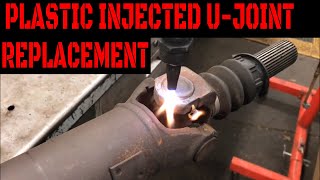
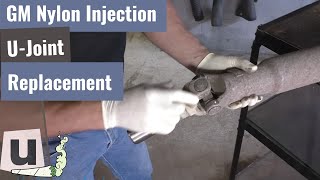
- Original factory U-joints are often held in with injected plastic that must be melted with a torch before removal.
- Symptoms like clunking, vibrations, or squeaking should be addressed immediately to prevent a complete failure and more expensive damage.
Is Your C10's U-Joint Failing?
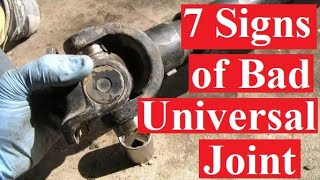
A worn-out U-joint will give you clear warning signs. Ignoring them can lead to a total failure where the driveshaft disconnects, which can cause major damage and leave you stranded. Listen and feel for these common symptoms:
- Clunking Noise: A distinct "clunk" or ringing sound when you shift from Park into Drive or Reverse is a classic sign of a bad U-joint. This is caused by excessive play in the joint.
- Vibration: You might feel a vibration throughout the truck, especially as you increase speed. This can feel similar to unbalanced tires, but it's coming from the driveline.
- Squeaking or Chirping: A rhythmic squeak that changes with your speed, often heard when first starting to move, means the U-joint has lost its grease and is running dry.
A Note on Original U-Joints
Many 1975-1986 C10s left the factory with U-joints held in by injected plastic instead of snap rings. To remove these, the plastic must be melted out with a torch (like a propane torch) until it oozes out. Trying to press them out without melting the plastic can damage the driveshaft yoke.
Choosing the Right Aftermarket U-Joint
When shopping for a new U-joint, you have two main decisions: greasable vs. non-greasable, and which brand to trust.
Greasable vs. Non-Greasable
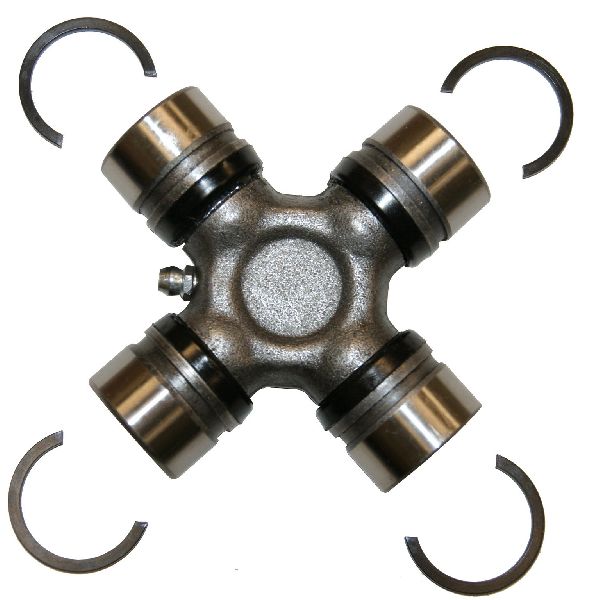
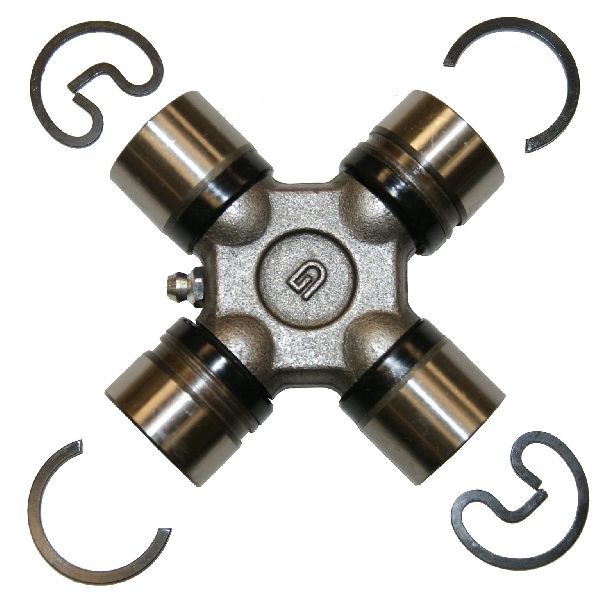
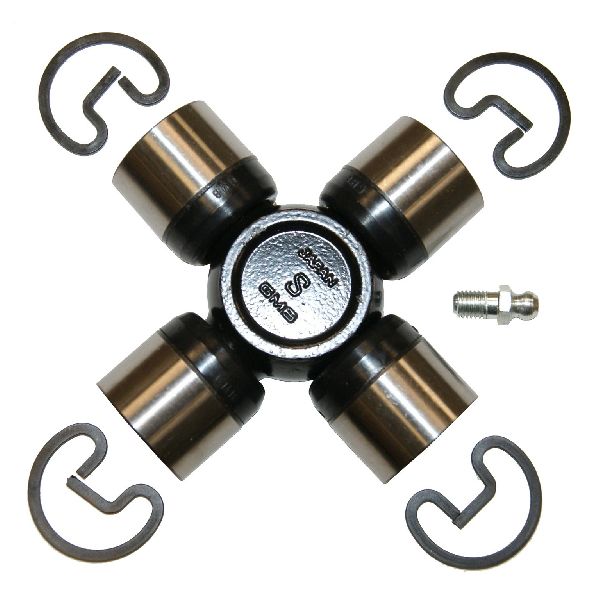
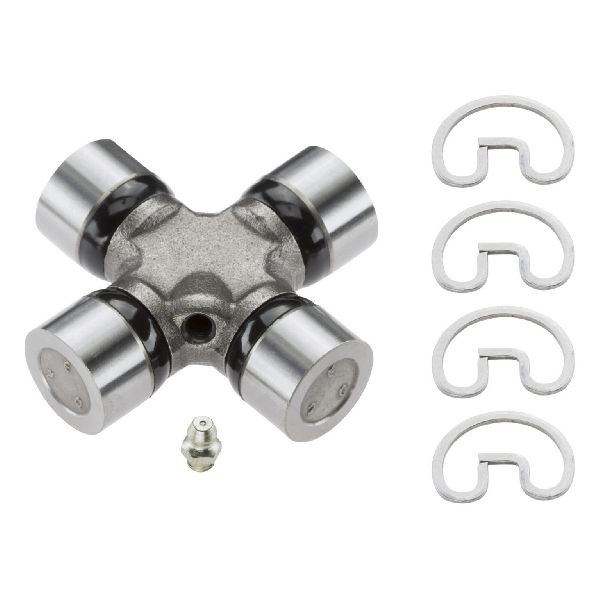
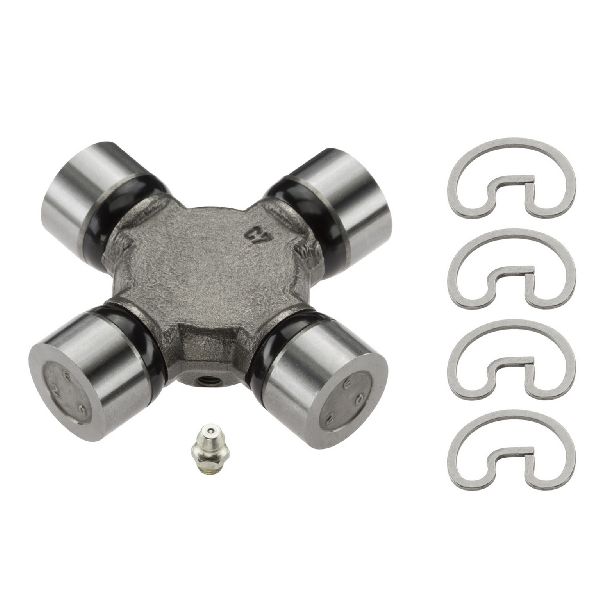
- Non-Greasable (Sealed): These are the strongest and most common type used by vehicle manufacturers. The cross is solid steel, making it more durable under stress. They are filled with enough grease to last their entire service life and require zero maintenance. For most C10 owners, this is the simplest and most reliable option.
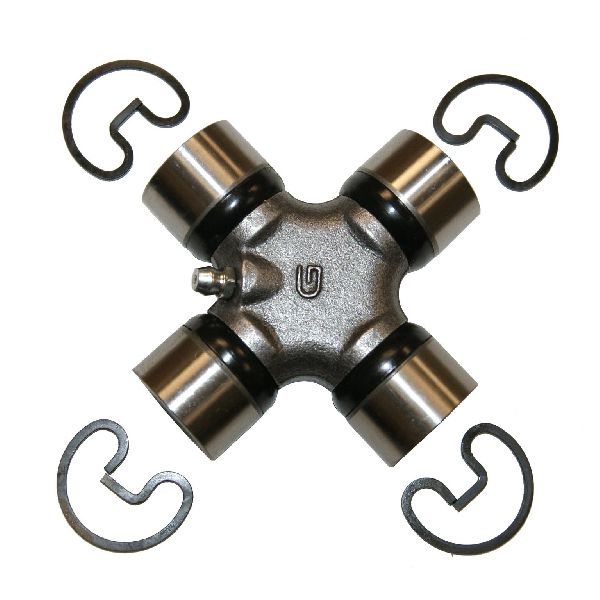
- Greasable: These have a zerk fitting that allows you to add fresh grease. If you do it regularly (every 3-5,000 miles), you can flush out contaminants and potentially extend the U-joint's life. However, the hole for the grease fitting makes the cross slightly weaker. If you forget to grease them, they will fail quickly.
Pro Tip: For a stock or daily-driven C10, a quality non-greasable U-joint from a top brand offers the best combination of strength and convenience. If you frequently drive in mud or deep water, a greasable joint that you maintain diligently can help push out contamination.
Aftermarket Brand Quality Tiers
Based on owner experiences in truck forums, aftermarket U-joint brands for the C10 can be grouped into tiers.
- Top Tier (OEM Quality or Better): Dana/Spicer is widely considered the gold standard and was an original equipment supplier. Brands like SKF (especially their "Brute Force" line) and Neapco are also highly regarded for their quality.
- Trusted Aftermarket: Moog and ACDelco are popular and reliable choices. Moog has a long reputation as a problem-solver, though some users note that sourcing can be inconsistent. ACDelco is GM's own parts brand, making it a safe bet.
- Performance/Heavy-Duty: Yukon Gear & Axle specializes in stronger components designed for higher horsepower and heavy use.
- Standard/Economy: Brands like GMB offer a functional replacement at a lower price point, suitable for budget-conscious repairs.
Estimated Costs
| Part Type | Estimated Cost |
|---|---|
| New Aftermarket U-Joint | $18 - $240 |
| Shop Labor for Replacement (per joint) | $100 - $200 |
Note: Costs are estimates and can vary based on location, brand, and vehicle configuration. Professional replacement for one joint can range from $200 to $450.
Frequently Asked Questions (FAQ)
How do I know which size U-joint my C10 needs?
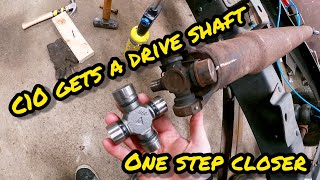
This is the most important step. C10s used different U-joint sizes (like 1310, 1330, or 3R series) depending on the year, engine, transmission, and driveshaft. There are even conversion joints for trucks with non-original axles or driveshafts. The only way to be 100% sure is to remove and measure your old U-joint's cap diameter and overall width before ordering.
How many U-joints does my C10 have?
Most 2WD short-bed C10s have a one-piece driveshaft with two U-joints. Long-bed models may have a two-piece driveshaft with a center support bearing, which uses three U-joints. Four-wheel-drive (K10) models have additional U-joints on the front driveshaft.
Do I need special tools to replace a U-joint?
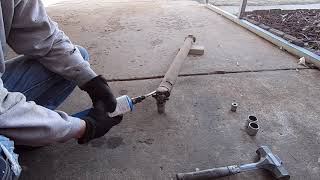
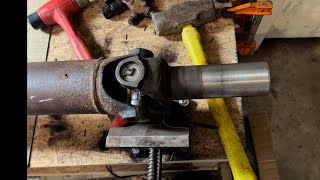
While a dedicated U-joint press or ball joint press makes the job easy, it can be done without one. Many DIY mechanics use a sturdy bench vise and a combination of sockets (one large enough for the cap to press into, one small enough to press on the cross) to press the old joints out and new ones in. A hammer can also be used, but care must be taken not to damage the yoke.
Are there any recalls for 1975-1986 C10 U-joints?
No. Searches of the National Highway Traffic Safety Administration (NHTSA) database show no open recalls for driveshafts or universal joints for the 1975-1986 Chevrolet C10. Any recalls you may find are for much newer GM vehicles.
Helpful Videos
Technical Specifications
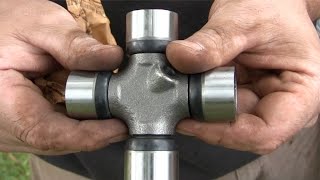
Common series include 1310, 1330, 1350, and 3R. Sizing varies by year and drivetrain configuration. Measurement of the original part is required for accurate replacement. Key measurements are bearing cap diameter and the width across the joint, measured from cap to cap.
We Have This Part in Stock

The information in this article is provided for general reference and educational purposes only. Vehicle specifications, procedures, and part compatibility can vary by production date, trim level, and region. Always consult your vehicle's factory service manual and verify part numbers before purchasing or performing repairs. Safety-critical components such as airbags, seat belts, and braking systems should be installed by a qualified professional.