

Chevrolet C20 Automatic Transmission Mount: A Complete Guide (1975-1986)
If you're feeling a clunk or vibration in your Square Body C20, your transmission mount might be the culprit.
- A clunk when shifting into gear is the most common sign of a bad transmission mount on a C20.
- For most owners, a standard aftermarket rubber mount is the best and most affordable choice.
- This is a simple, DIY-friendly repair that can be done in under an hour with basic tools.
- Always inspect your engine mounts when replacing the transmission mount, as they often wear out together.
Is Your C20's Transmission Mount Worn Out?
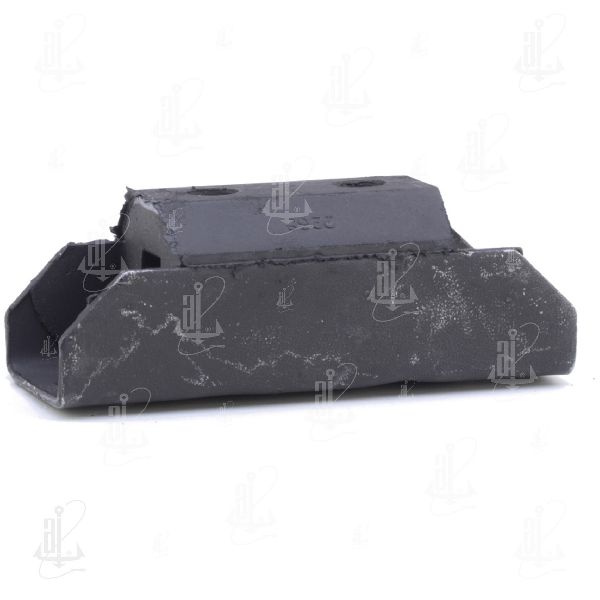
On a 1975-1986 Chevrolet C20, the transmission mount is a straightforward but essential part. It's a rubber and metal block that secures your transmission to the truck's frame, absorbing vibrations and keeping the drivetrain aligned. Over decades of use, the rubber can crack, get soaked with oil, or simply break down, leading to noticeable problems. When this mount fails, the transmission can move excessively, causing clunks, vibrations, and even stress on other parts like the engine mounts and driveshaft.
Symptoms of a Failing Transmission Mount
A bad transmission mount on your C20 will make its presence known. Here are the most common signs:
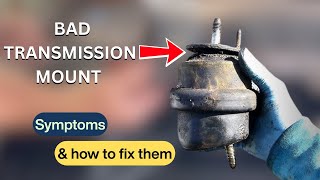
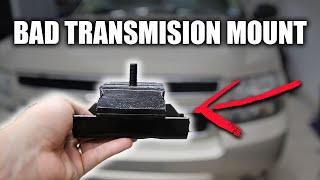
🎬 Watch this guide to help diagnose your failing transmission mount.- Clunking or Banging Noises: You might hear a loud clunk when you shift from park into drive or reverse. This sound can also happen during hard acceleration or braking as the transmission shifts around.
- Excessive Vibrations: A new, buzzing vibration felt through the floor or seat, especially while idling or accelerating, is a classic symptom. The mount is no longer absorbing drivetrain vibrations as it should.
- Shifting Problems: While it won't cause the transmission to slip, a bad mount can lead to rough or jerky shifting. The misalignment can make it harder for gears to engage smoothly.
- Visible Movement: You can often diagnose a bad mount with a simple visual check. With the truck safely on jack stands, you can use a pry bar to check for excessive movement in the mount. If the rubber is split or separated from the metal, it needs to be replaced.
Check Your Engine Mounts Too
A failed transmission mount puts extra stress on the engine mounts. It's very common for these to wear out together. If you're replacing one, it's a good idea to inspect the other two. 🎬 See how to replace both engine and transmission mounts together. Replacing all three at once can save you from doing the job twice and ensures a smooth-running drivetrain.
Choosing the Right Aftermarket Mount for Your C20
Since these trucks are classics, new OEM (Original Equipment Manufacturer) parts are generally not available. The good news is that the aftermarket offers plenty of good options that meet or exceed original quality. The design is simple, and standard rubber replacements are very affordable.
| Brand Tier | Brands | Best For | Notes |
|---|---|---|---|
| Standard Replacement | Anchor, DEA, Pioneer Cable | Daily driving, stock restoration | These brands offer an affordable, factory-style rubber mount. They provide a smooth, quiet ride similar to the original. While some online forums have mixed reviews on quality for modern, complex cars, they are generally considered adequate and reliable for simple applications like the C20. Pioneer is often noted as having a good, near-OEM appearance and fit. |
| Heavy-Duty / Performance | Daystar, Lakewood | Towing, hauling, high-horsepower engines, or street/strip use | These mounts use polyurethane instead of rubber. Polyurethane is much stiffer and more durable, resistant to oil and chemicals. The trade-off is a noticeable increase in cabin noise and vibration (NVH), as the material transmits more of the drivetrain's vibrations. Lakewood mounts often feature a safety interlock design to prevent separation under high torque. |
Rubber or Polyurethane?
For most C20 owners, a standard rubber mount from a brand like Pioneer is the best choice. It will restore the original smooth ride at a low cost. Only choose a polyurethane mount from Daystar or Lakewood if you have a high-performance engine or frequently tow heavy loads and are willing to accept more vibration in the cabin.
Frequently Asked Questions (FAQ)
Is it hard to replace a C20 transmission mount myself?
No, this is a great DIY job for a beginner. The process is straightforward and can usually be done in under an hour with basic hand tools. You'll need a jack, jack stands, and a basic socket set. The process involves supporting the transmission with a jack and a block of wood, unbolting the old mount from the crossmember and the transmission, and then bolting the new one in place.
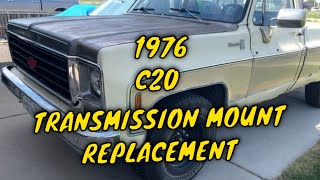
🎬 Follow this DIY video to replace your mount in 30 minutes.Are there any recalls or TSBs for the 1975-1986 C20 transmission mount?
No, searches of the National Highway Traffic Safety Administration (NHTSA) database show no recalls or technical service bulletins (TSBs) related to the automatic transmission mount for this generation of Chevrolet C20 trucks.
Do I need any special tools?
No special tools are required. You'll need a floor jack to support the transmission pan (with a piece of wood to spread the load), jack stands to safely support the vehicle, and standard wrenches or a socket set to remove the bolts.
What is the most common mistake when ordering this part?
The most common mistake is not checking compatibility with your specific transmission. While many mounts for this era are universal for GM transmissions like the TH350 and TH400, it's always best to verify the fitment for your exact year and engine combination. Also, be aware of small but important parts like spacers that must be reinstalled correctly to maintain the proper driveshaft angle.
Helpful Videos
Technical Specifications
OEM Part Numbers: 334941 3781950
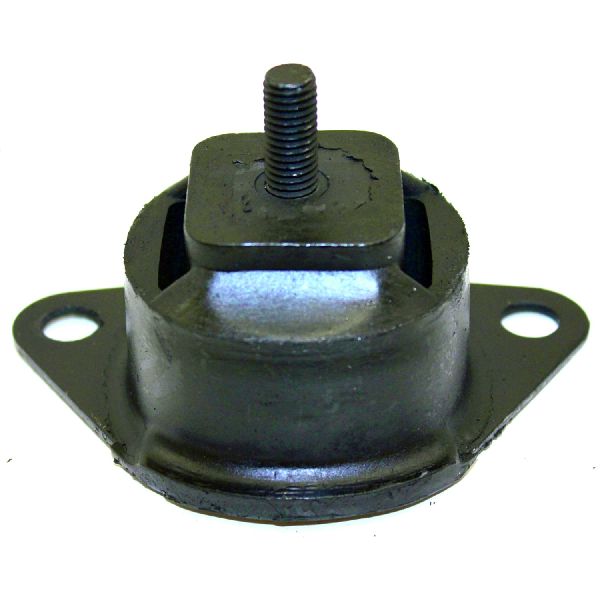
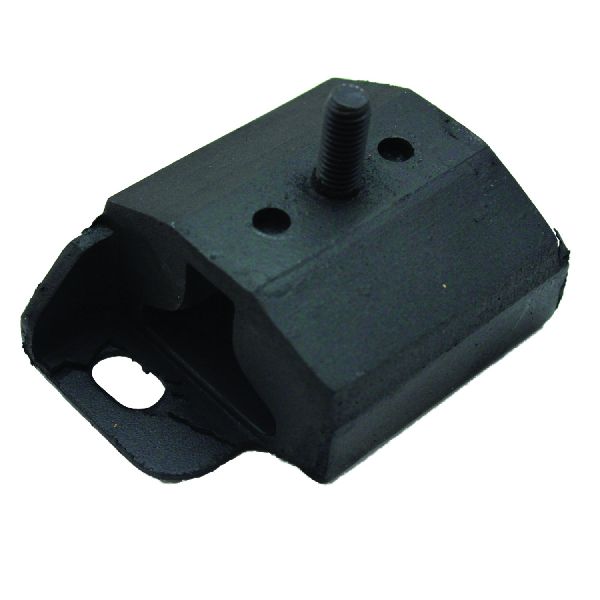
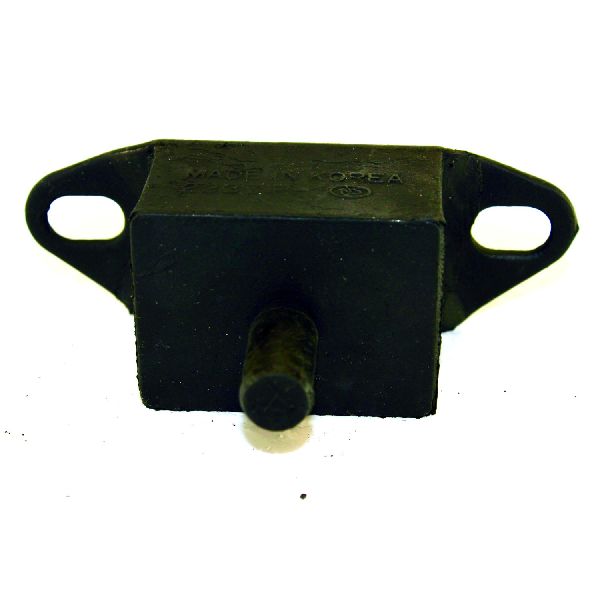
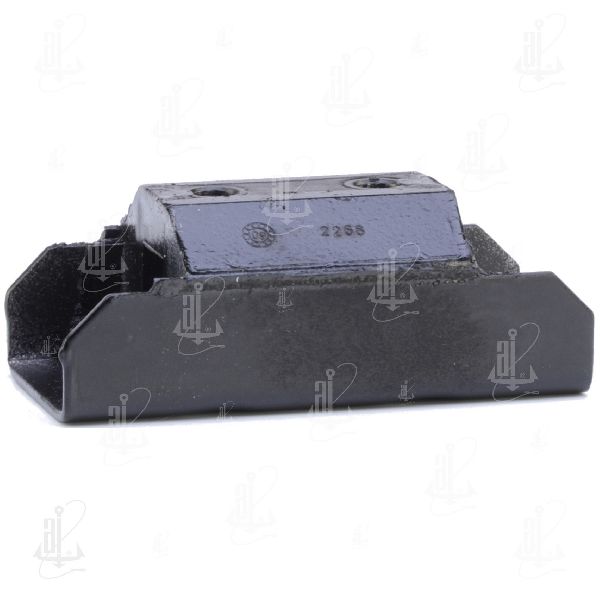
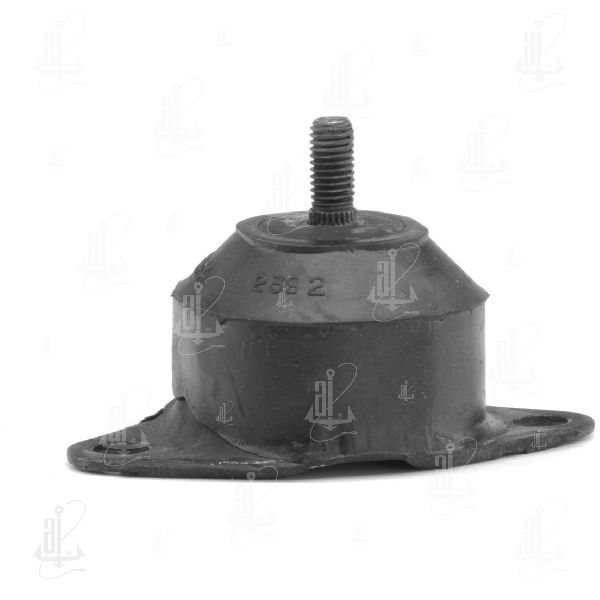
The standard mount is a single-bolt or two-bolt design made of rubber bonded to steel plates. It bolts to the transmission tail housing and the frame crossmember. Polyurethane options are available for heavy-duty use.
We Have This Part in Stock

The information in this article is provided for general reference and educational purposes only. Vehicle specifications, procedures, and part compatibility can vary by production date, trim level, and region. Always consult your vehicle's factory service manual and verify part numbers before purchasing or performing repairs. Safety-critical components such as airbags, seat belts, and braking systems should be installed by a qualified professional.