

Chevrolet C20 Power Steering Pump Replacement Guide (1975-1986)
If your classic C20 has whining noises or stiff steering, this guide will help you find the right new aftermarket power steering pump.
- Whining noises and stiff steering are the classic signs of a failing power steering pump on a C20.
- A special power steering pump pulley puller/installer tool is absolutely required for this job; do not use a hammer.
- A new aftermarket pump is often a more reliable choice than a remanufactured one, which can have inconsistent quality.
- Properly bleeding all air from the system after installation is critical to prevent noise and premature failure of the new pump.
Is Your C20's Power Steering Pump Failing?
The Saginaw-style power steering pump used in the 1975-1986 C20 is a common part that wears out due to age, leaks, and contaminated fluid. If you're hearing a groaning or whining sound that gets louder when you turn the wheel, or if steering has become stiff and difficult, it's likely time for a replacement. Ignoring these signs can lead to a complete loss of power assist, making the truck much harder and less safe to drive.
Check Your Fluid & Hoses First!
Before replacing the pump, always check the power steering fluid level and condition. Low fluid can cause whining and stiff steering. If the fluid is dark, has shiny metal flakes, or looks foamy, the system is contaminated and the pump may be failing internally. Also, inspect the high-pressure and return hoses. Old, cracked hoses can leak and let air into the system, mimicking the symptoms of a bad pump.
Symptoms of a Bad Power Steering Pump
- Whining or Groaning Noises: This is the most common sign. The noise often gets louder as you turn the steering wheel or as engine RPMs increase. It's usually caused by low fluid, air in the system, or internal wear.
- Stiff or Heavy Steering: If turning the wheel suddenly requires a lot of effort, the pump is likely not producing enough hydraulic pressure. This makes the truck feel like it has manual steering.
- Slow Steering Response: A noticeable delay between turning the wheel and the truck responding is a serious safety concern.
- Fluid Leaks: You might see reddish or light brown puddles under the front of your truck. The seals inside the pump can wear out and cause leaks.
- Squealing on Startup: A loud squeal when you first start the engine can be another indicator that the pump is failing.
Choosing the Right Aftermarket Pump: New vs. Remanufactured
For a vehicle of this age, new OEM pumps from GM are generally not available. Your main choices are new aftermarket or remanufactured pumps. Many owners and mechanics recommend choosing a new aftermarket pump over a remanufactured one. The price difference is often minimal, and new units tend to be more reliable out of the box than remanufactured pumps from brands that have very mixed reviews.
Aftermarket Brand Tiers
Not all aftermarket pumps are created equal. They generally fall into two categories for your C20:
- Standard Replacement (Good): Brands like BBB Industries offer affordable, standard replacement pumps. These are often remanufactured units. While some users report success, others have experienced issues with quality and longevity. These are a budget-friendly option for a daily driver under normal use.
- High-Performance / Heavy-Duty (Best): Brands like PSC Motor Sports offer new, high-performance pumps. These are designed to provide better steering performance, especially for trucks with larger tires, heavy hauling, or off-road use. They produce more flow and pressure, which is a noticeable upgrade but comes at a higher price point.
A Special Tool is Required
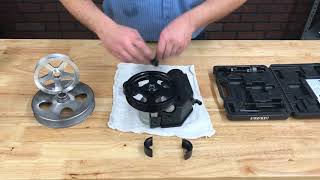
You cannot complete this job without a power steering pump pulley puller and installer tool. Most new pumps do not come with a pulley, so you must transfer it from your old pump. Do NOT use a generic jaw puller or a hammer, as you will damage the pulley or the new pump. These tool kits can be rented from most auto parts stores.
🎬 See how to use the rental tool to remove the pulley.Replacement Cost
| Part Type | Estimated Cost |
|---|---|
| New Aftermarket (Standard) | $79.89 - $180.00 |
| New Aftermarket (High-Performance) | $250.00 - $414.77 |
| Remanufactured Aftermarket | $80.00 - $150.00 |
| Shop Labor | $200.00 - $450.00 |
Frequently Asked Questions (FAQ)
Are there any recalls on the 1975-1986 C20 power steering pump?
No. Searches of the National Highway Traffic Safety Administration (NHTSA) database show no specific recalls or technical service bulletins for the power steering pump on the 1975-1986 Chevrolet C20. Recalls found are for much newer GM vehicles with different steering systems.
How do I bleed the air out of the system after installation?
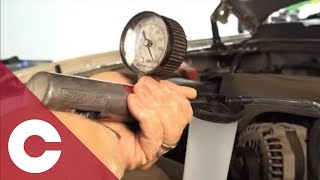
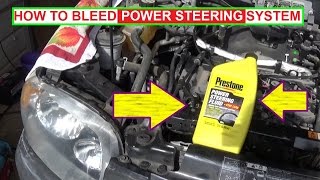
This is a critical step. With the engine OFF and the front wheels lifted off the ground, fill the reservoir. Then, turn the steering wheel fully from lock to lock at least 20 times. Check the fluid level and top it off as needed until the level is stable and no more bubbles or foam appear in the fluid. Skipping this will cause noise and can make your new pump fail quickly.
🎬 Watch a demonstration on how to correctly bleed the system.What kind of power steering fluid should I use in my C20?
For this generation of Chevrolet truck, standard power steering fluid is appropriate. Always use new, clean fluid from a sealed container when replacing your pump.
Do I have to replace the reservoir?
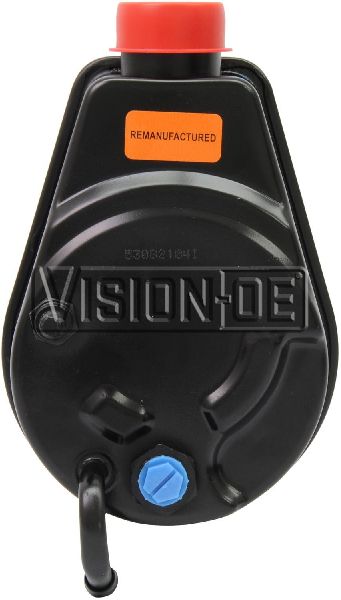
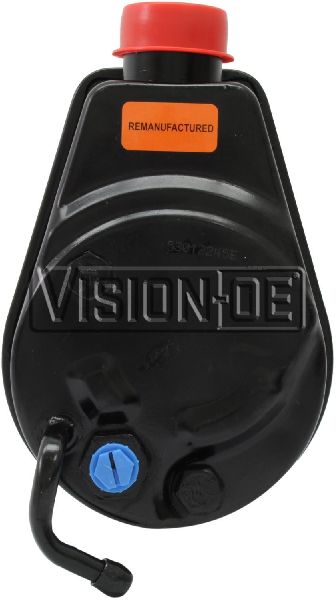
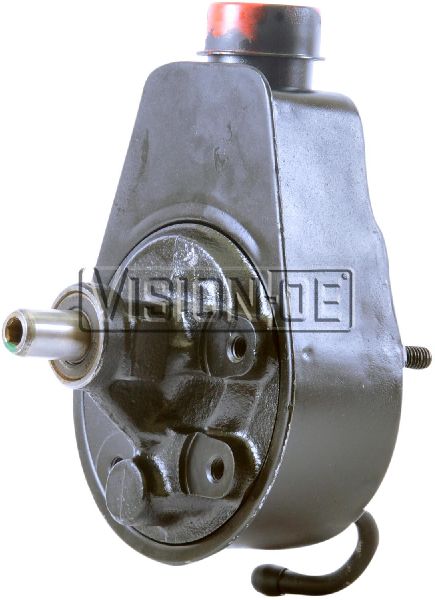
Many new pumps come with a reservoir. If yours does not, you can reuse your original one if it is clean and not damaged. You must use new O-rings and seals to prevent leaks when transferring it to the new pump. Be sure to order a pump that matches your truck's reservoir configuration (either attached to the pump or remote-mounted).
Helpful Videos


Technical Specifications
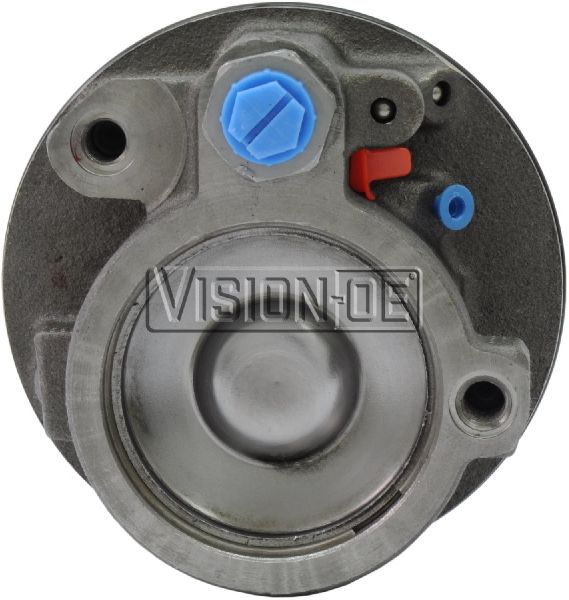
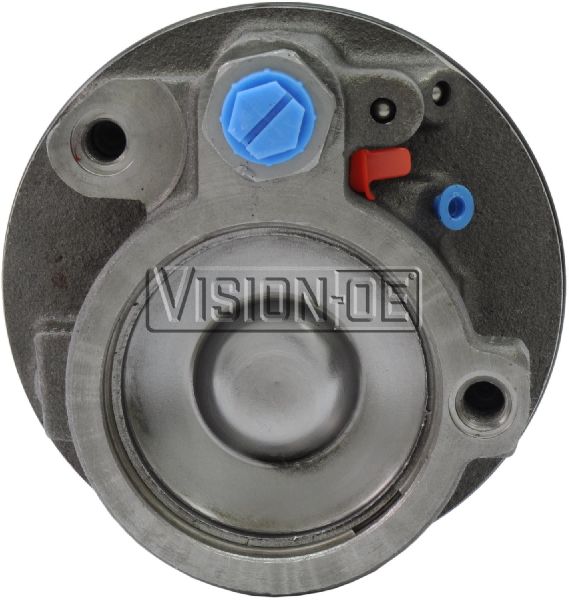
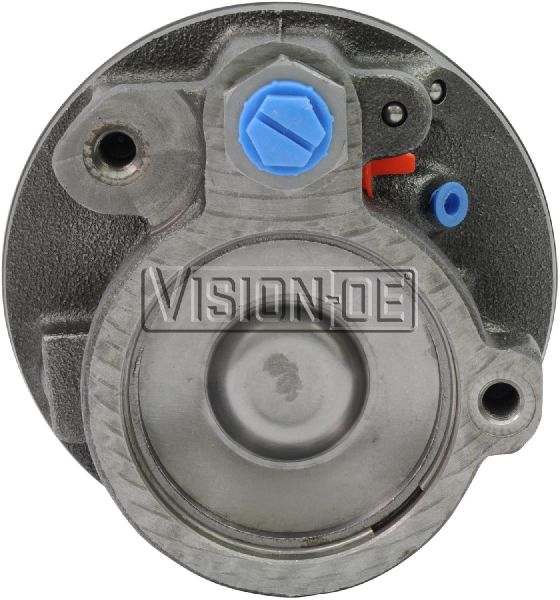
The 1975-1986 Chevrolet C20 uses a Saginaw-style power steering pump. These are belt-driven hydraulic pumps. Key variations exist in the reservoir type (attached can or remote) and mounting brackets, so it is important to match your new part to the original configuration.
We Have This Part in Stock

The information in this article is provided for general reference and educational purposes only. Vehicle specifications, procedures, and part compatibility can vary by production date, trim level, and region. Always consult your vehicle's factory service manual and verify part numbers before purchasing or performing repairs. Safety-critical components such as airbags, seat belts, and braking systems should be installed by a qualified professional.
- 🎬 Helpful Videos
- 🛍️ Shop This Part
- Is Your C20's Power Steering Pump Failing?
- Check Your Fluid & Hoses First!
- Symptoms of a Bad Power Steering Pump
- Choosing the Right Aftermarket Pump: New vs. Remanufactured
- Aftermarket Brand Tiers
- A Special Tool is Required
- Replacement Cost
- Frequently Asked Questions (FAQ)
- 🎟️ Get 5% Off