

Choosing the Right Starter Motor for Your 1975-1986 Chevrolet C30
This guide covers common starter problems and helps you select the best new aftermarket starter for your classic Chevy truck.
- A common failure point is 'heat soak,' where the starter gets too hot from the exhaust and won't work until it cools down.
- Upgrading to a modern high-torque, gear-reduction starter (like Powermaster or Proform) can solve heat soak and provide more reliable starting.
- Replacement is a straightforward DIY job for most owners, typically requiring only basic tools and about one to two hours.
- There are no active recalls or specific TSBs from NHTSA for the starter motor on this generation of C30 trucks.
Signs of a Failing Starter in a C30
A starter motor usually gives you a few warnings before it fails completely. If your C30 is having trouble starting, listen for these common symptoms:
- Single Loud Click: You turn the key, and all you hear is one loud "click" from the engine bay. This often means the starter solenoid is engaging, but the motor itself isn't turning. This can be caused by a weak battery, bad connections, or a failed starter motor.
- Grinding Noise: A harsh grinding sound when you try to start the engine can mean the starter gear isn't meshing correctly with the flywheel. This could be due to worn teeth on either the starter or flywheel, or improper starter alignment (shimming).
- Whirring or Spinning Noise: If you hear the starter motor spin but the engine doesn't turn over, the starter's drive gear is not engaging the flywheel. The starter is working, but its power isn't reaching the engine.
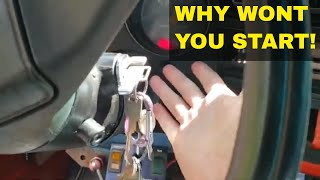
- No Sound at All: When you turn the key and nothing happens—no click, no crank, and no dash lights—the problem is likely a dead battery or a bad connection. However, if the lights come on but the starter is silent, it could point to a bad neutral safety switch 🎬 Watch this investigation of a C30 no-crank, no-start issue. or a completely dead starter.
- Engine Won't Start When Hot (Heat Soak): A very common issue on these trucks is starter "heat soak." The starter is located close to the hot exhaust manifold. When the engine is hot, the heat increases electrical resistance in the starter and its wiring, preventing it from getting enough power to crank the engine. After the truck cools down for 15-30 minutes, it might start normally again.
Known Issue: Starter Heat Soak
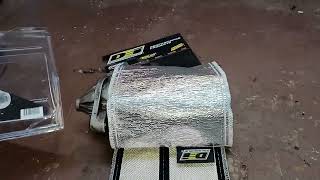
Heat soak is a persistent problem for many 1975-1986 C30 owners. The original large starters are positioned near the exhaust, causing them to overheat. Symptoms include the truck starting fine when cold but refusing to crank when hot. Solutions include installing a starter heat shield 🎬 See how to fix starter heat soak for under $30. or upgrading to a modern, smaller gear-reduction starter that offers better clearance and heat resistance.
Choosing the Right Aftermarket Starter
For a vehicle from this era, aftermarket starters are not only a cost-effective choice but often offer significant improvements over the original design. Here’s a breakdown of the available brands.
Brand Tiers for Your C30
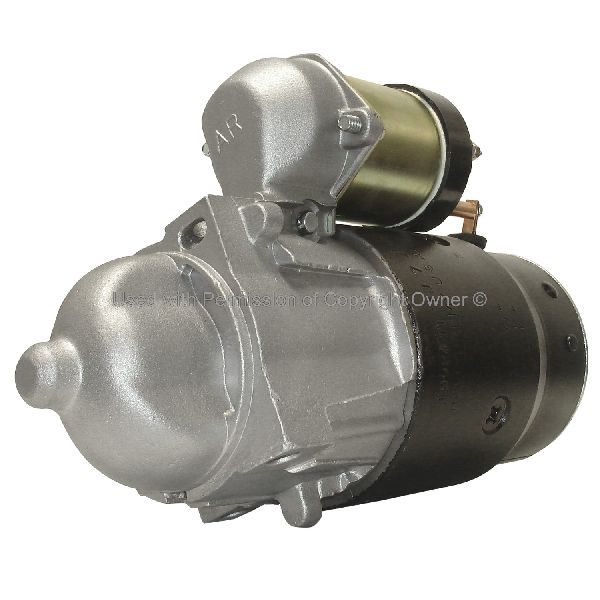
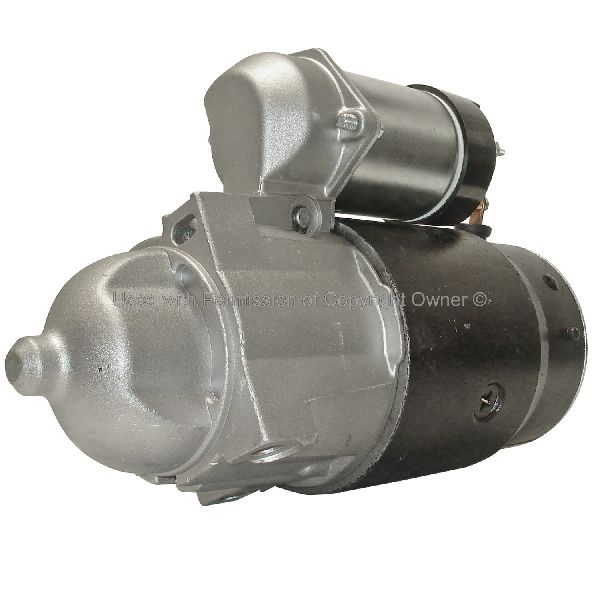
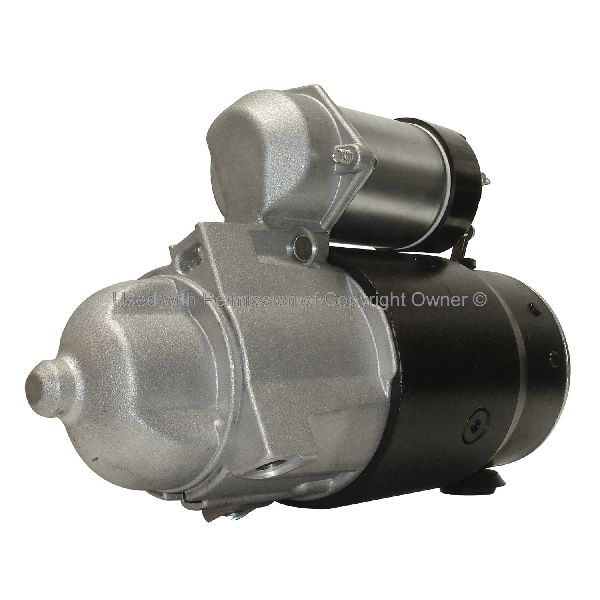
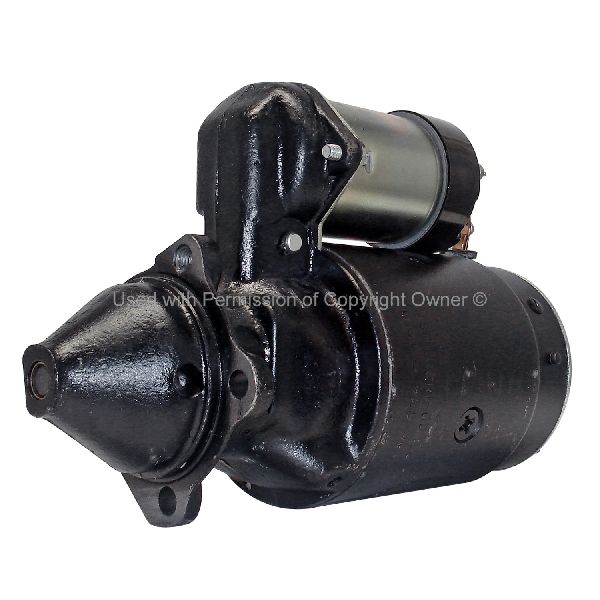
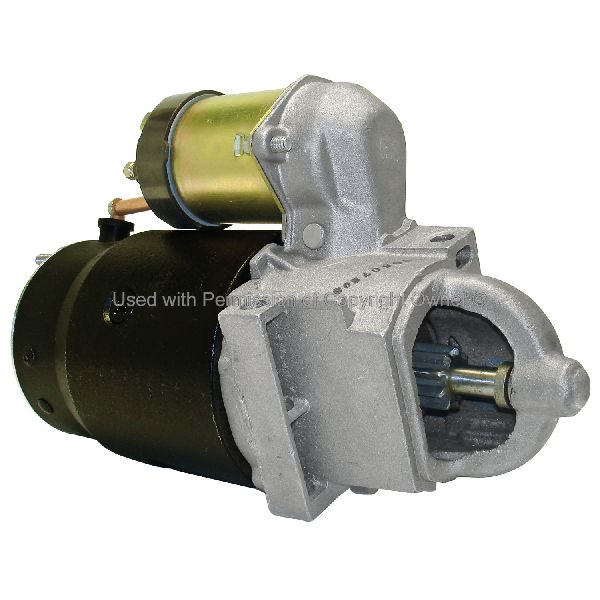
- OEM-Style Replacement (ACDelco): If you want to keep your truck as original as possible, an ACDelco starter is a solid choice. They are built to the original specifications and provide reliable, stock performance. However, they are typically the large, direct-drive style, which can still be prone to heat soak without a proper heat shield.
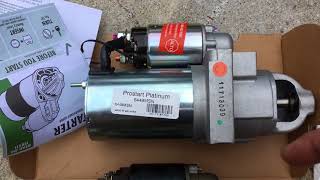
- Performance & Problem-Solver (Powermaster, Proform): These brands specialize in high-torque, gear-reduction mini-starters. They are smaller, lighter, and provide more cranking power with less battery draw. Their compact size provides more clearance from the exhaust, making them an excellent solution for the common heat soak problem. Many users report faster and more reliable starts, especially on modified or high-compression engines.
- Standard Aftermarket (MPA): MPA (Motor Parts of America) is a major supplier of new and remanufactured aftermarket parts. These starters offer a balance of affordability and function, making them a good option for a standard-use truck where budget is a primary concern.
Pro Tip: Gear Reduction vs. Direct Drive
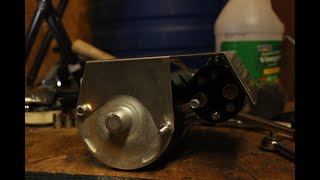
Original starters on the C30 were large, direct-drive units. Modern aftermarket options like Powermaster and Proform are often "gear reduction" or "mini-starters." These use a set of gears to multiply the motor's torque, allowing a smaller, lighter motor to spin the engine faster and more efficiently. This is a popular upgrade for classic Chevy trucks.
How Much Does a New Starter Cost for a 1975-1986 C30?
The cost will depend on the brand you choose and whether you do the work yourself. Installation is generally straightforward for a DIY mechanic.
| Category | Estimated Cost |
|---|---|
| New Aftermarket Starter | $62 - $434 |
| Shop Labor | $100 - $250 |
| Total Professional Installation | $162 - $684 |
Frequently Asked Questions
Is it hard to replace the starter on a C30?
No, it's considered a relatively easy job for someone with basic mechanical skills. It typically involves disconnecting the battery, raising the vehicle safely, removing two bolts holding the starter, and swapping the electrical connections. 🎬 Follow this step-by-step guide to replacing your Chevy truck starter. The main challenge is the weight and awkward position of the old, heavy starter.
What is a starter shim and will I need one?
A shim is a thin metal spacer used to adjust the distance between the starter gear and the engine's flywheel. An incorrect gap can cause grinding noises or damage to the gears. Some aftermarket starters, especially performance models, come with shims. Whether you need them depends on your specific engine block and starter combination.
Do I need a high-torque starter for my stock C30?
While not strictly necessary for a stock engine, a high-torque mini-starter is a highly recommended upgrade. They solve the common heat soak issue, draw less power from the battery, and provide faster, more reliable cranking, which is beneficial for older vehicles.
Are there any recalls for the 1975-1986 C30 starter?
No, searches of the National Highway Traffic Safety Administration (NHTSA) database did not find any recalls or technical service bulletins (TSBs) specifically related to the starter motor for the 1975-1986 Chevrolet C30. Any recalls found were for much newer models and unrelated issues.
Helpful Videos
Technical Specifications
The primary choice is between a large, stock-style direct-drive starter and a smaller, high-torque gear-reduction starter. Gear-reduction models offer a typical ratio of 3.75:1 or 4.41:1, providing more cranking power with less electrical draw. Starters must be compatible with either a 153-tooth or 168-tooth flywheel, which was common on small and big block Chevy engines of this era.
We Have This Part in Stock

The information in this article is provided for general reference and educational purposes only. Vehicle specifications, procedures, and part compatibility can vary by production date, trim level, and region. Always consult your vehicle's factory service manual and verify part numbers before purchasing or performing repairs. Safety-critical components such as airbags, seat belts, and braking systems should be installed by a qualified professional.
- 🎬 Helpful Videos
- 🛍️ Shop This Part
- Signs of a Failing Starter in a C30
- Known Issue: Starter Heat Soak
- Choosing the Right Aftermarket Starter
- Brand Tiers for Your C30
- Pro Tip: Gear Reduction vs. Direct Drive
- How Much Does a New Starter Cost for a 1975-1986 C30?
- Frequently Asked Questions
- 🎟️ Get 5% Off