

Chevrolet K10 Automatic Transmission Mount Guide (1975-1986)
Stop the clunking and shaking in your Square Body truck by choosing the right transmission mount.
- A loud clunk when shifting or accelerating is the #1 symptom of a failed transmission mount on a K10.
- Oil and transmission fluid leaks are a primary cause of mount failure; fix any leaks before installing a new part.
- For a stock ride, choose a quality rubber mount; for heavy-duty use or performance, upgrade to polyurethane but expect more vibration.
- Replacement is a simple DIY job that can be done in about an hour with a jack and basic hand tools.
Is Your K10's Transmission Mount Worn Out?
The transmission mount on a 1975-1986 Chevy K10 is a simple part, but it takes a lot of abuse. After decades of use, the original rubber is often cracked, compressed, or completely broken. When it fails, the transmission can move and shift under load, causing noises, vibrations, and potential damage to other parts.
Symptoms of a Failing Transmission Mount
- Clunking or Banging Noises: This is the most common symptom. You may hear a loud "clunk" or "thud" from under the truck when you shift from Park to Drive or Reverse, or during acceleration and deceleration. This is the sound of the transmission lifting and hitting the floor pan or crossmember.
- Excessive Vibrations: A new or worsening vibration felt in the seat, floor, or steering wheel is a classic sign of a bad mount. The rubber is no longer absorbing the drivetrain's vibrations, so they are passed directly into the cab.
- Drivetrain Movement: You might see the 4WD shifter or column shifter physically jump when you press the gas pedal. In severe cases, a helper can watch the engine and transmission while you (with the brake held firmly) briefly shift into gear, revealing excessive rocking motion.
Check for Oil Leaks First!
The number one killer of transmission mounts on these trucks is fluid contamination. Engine oil from a rear main seal leak or transmission fluid from a pan gasket leak will drip onto the mount, causing the rubber to soften, swell, and quickly fall apart. Before you install a new mount, inspect the area for leaks and fix them to ensure your new part lasts.
Choosing the Right Aftermarket Mount for Your K10
For a classic truck like the K10, original GM parts are generally not available. The market consists of aftermarket replacements that fall into two main categories: standard rubber and performance polyurethane.
Standard Rubber Mounts
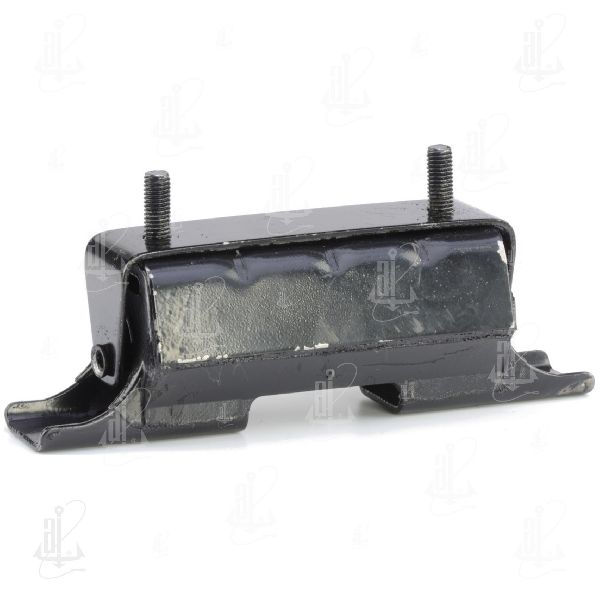
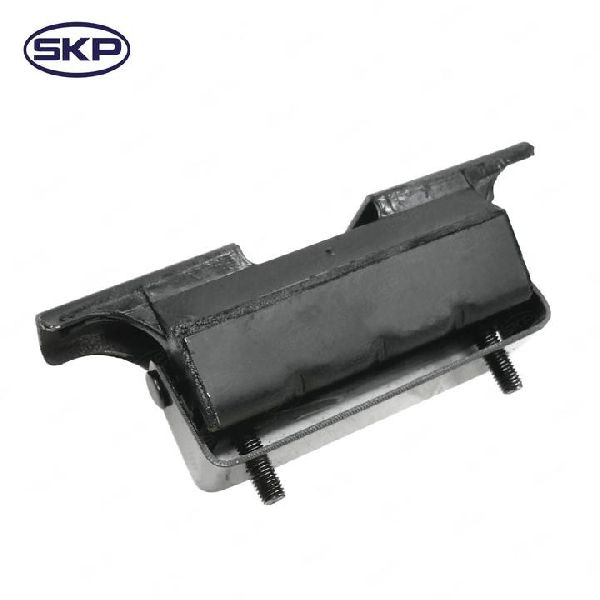
These mounts are designed to be direct replacements for the factory part. They use rubber to absorb vibrations, providing a smooth, quiet ride similar to the original. This is the best choice for a daily driver, a stock restoration, or any truck where ride comfort is a priority.
- Budget Brands (Anchor, DEA, Westar, Skyward): These are the most affordable options. However, forum discussions among truck owners often report issues with inconsistent quality, poor fit, and a short service life. While they may work in a pinch, be prepared for the possibility of replacing them again sooner than you'd like.
- Standard Quality Brands (Pioneer Cable): Brands like Pioneer are often considered a step up, with better quality control and a fit that is closer to the original part. For a stock truck, this tier offers a good balance of quality and price.
Performance Polyurethane Mounts
Polyurethane is a much stiffer material than rubber. Mounts made from it offer a significant increase in durability and are highly resistant to oil and other chemicals. They are an excellent upgrade for off-road, towing, or high-horsepower applications where minimizing drivetrain movement is critical.
The Trade-Off: The main downside of polyurethane is a noticeable increase in Noise, Vibration, and Harshness (NVH) inside the cab. Because the material is so stiff, more of the transmission's operational noise and vibration will be transferred into the frame. This is not ideal for a comfortable daily driver.
- Performance Brands (Prothane, Daystar): These brands specialize in polyurethane components. They provide a locked-down feel for the drivetrain, which improves throttle response and durability under stress. Choose this option if you are building a performance truck and can tolerate the extra cabin noise.
Estimated Costs for a New Transmission Mount
| Part Type | Estimated Cost |
|---|---|
| New Aftermarket (Budget Rubber) | $5 - $20 |
| New Aftermarket (Standard Rubber) | $20 - $40 |
| New Aftermarket (Polyurethane) | $50 - $136 |
| Shop Labor | $75 - $150 |
Frequently Asked Questions (FAQ)
Is it hard to replace a K10 transmission mount?
No, this is a job most DIY mechanics can handle in about an hour with basic tools. The process involves supporting the transmission and transfer case with a floor jack and a block of wood, removing the bolts holding the old mount to the crossmember and transmission, and bolting the new one in place.
Do I need one or two mounts?
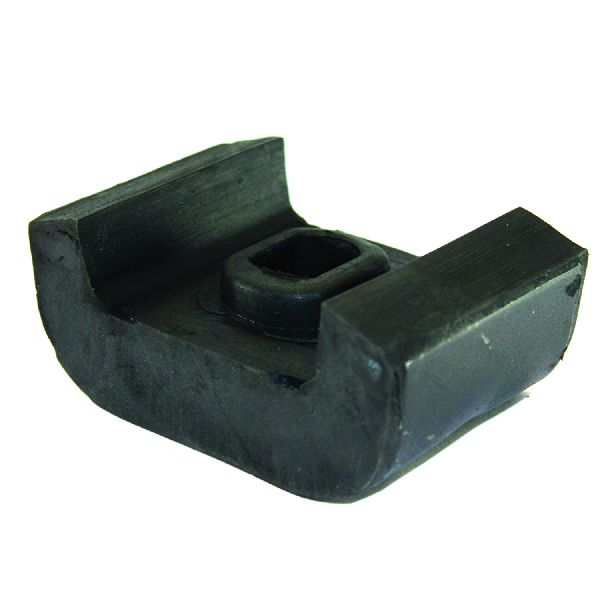
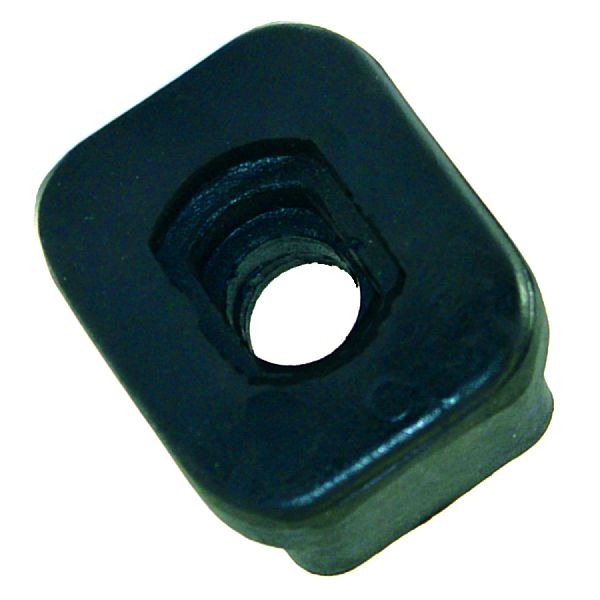
The 4WD K10 uses a two-piece bushing design, with one on each side of the transmission/transfer case adapter where it bolts to the crossmember. They are typically sold as a single part number that includes both pieces needed for the job.
Should I choose rubber or polyurethane?
For a stock truck used as a daily driver, a quality rubber mount is the best choice for a smooth, quiet ride. If your K10 is used for heavy towing, off-roading, or has a high-performance engine, a polyurethane mount will provide superior durability and control, but at the cost of increased cabin noise and vibration.
Will a new mount fix my shifting problems?
It might help. If a bad mount has caused the transmission to misalign with the shift linkage, a new mount can correct the geometry and make shifting smoother. However, it will not fix internal transmission problems like slipping clutches.
Are there any recalls for the transmission mount on my K10?
No, a search of the National Highway Traffic Safety Administration (NHTSA) database shows no recalls for the transmission mount on the 1975-1986 Chevrolet K10.
Technical Specifications
The 4x4 K10 typically uses a two-piece bushing-style mount that bolts the transmission/transfer case adapter to the frame crossmember. The design differs from the single-piece mount used on 2WD C10 models.
We Have This Part in Stock

The information in this article is provided for general reference and educational purposes only. Vehicle specifications, procedures, and part compatibility can vary by production date, trim level, and region. Always consult your vehicle's factory service manual and verify part numbers before purchasing or performing repairs. Safety-critical components such as airbags, seat belts, and braking systems should be installed by a qualified professional.
- 🛍️ Shop This Part
- Is Your K10's Transmission Mount Worn Out?
- Symptoms of a Failing Transmission Mount
- Check for Oil Leaks First!
- Choosing the Right Aftermarket Mount for Your K10
- Standard Rubber Mounts
- Performance Polyurethane Mounts
- Estimated Costs for a New Transmission Mount
- Frequently Asked Questions (FAQ)
- 🎟️ Get 5% Off