

Chevrolet K10 Speedometer Cable Replacement Guide (1975-1986)
Fix your K10's bouncing or dead speedometer needle with the right replacement cable.
- A bouncing needle or a squealing noise from the dash are the most common signs of a failing speedometer cable.
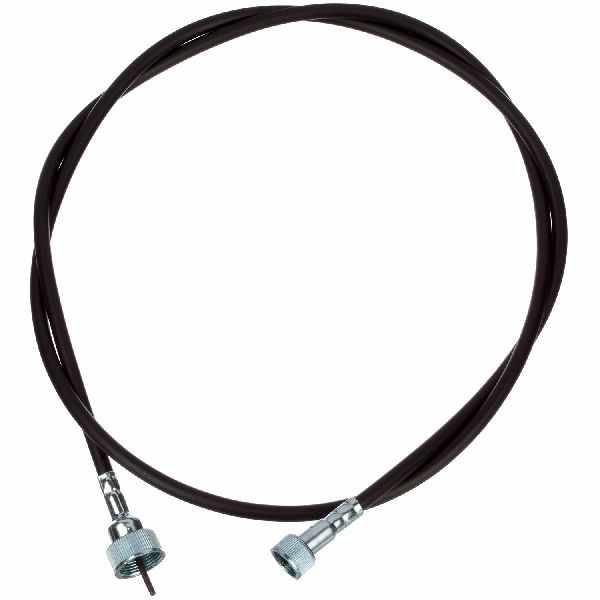
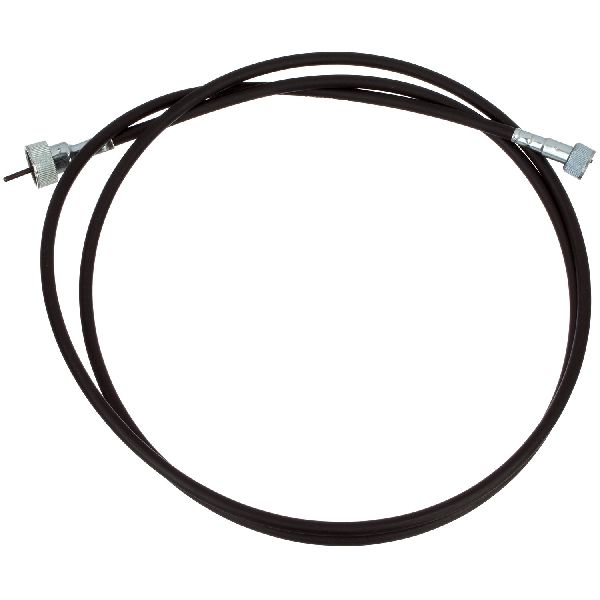
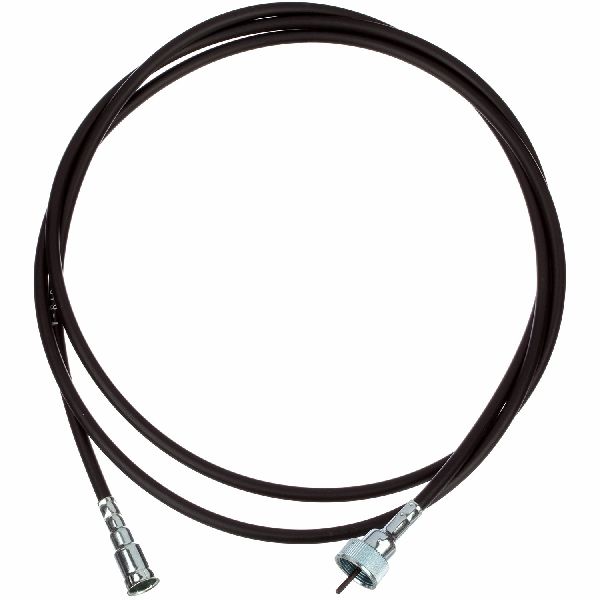
- For a 4x4 K10, the cable connects to the transfer case; always measure your old cable's length before ordering a new one to ensure correct fitment.
- It is critical to lubricate the new inner cable with white lithium grease before installation, as they often ship dry.
- Aftermarket cables from brands like ATP and Pioneer are affordable, while Lokar offers a premium, cut-to-fit option for custom applications.
Is Your K10 Speedometer Acting Up?
A faulty speedometer cable is the most common cause of speedometer problems on a classic 1975-1986 Chevy K10. Because this part is a spinning cable that is always in use while driving, it simply wears out over time. The main reasons for failure are a lack of lubrication, which causes noise and binding, or the inner cable snapping from age and stress.
Top Symptoms of a Bad Speedometer Cable
- Bouncing or Wavering Needle: This is the most common symptom. The speedometer needle jumps around instead of moving smoothly as you speed up or slow down. This usually means the inner cable is getting stuck and releasing inside the housing.
- Squealing or Whirring Noises: You may hear a squealing or clicking sound from behind the dashboard that gets faster or louder as your speed increases. This is a classic sign of a dry, unlubricated cable rubbing against its housing.
- Speedometer Doesn't Move: If the needle stays at 0 MPH no matter how fast you're driving, the inner cable has likely snapped or the square ends have worn down and are no longer making a connection.
Choosing the Right Aftermarket Cable
Original OEM AC Delco cables for these trucks are very hard to find. Aftermarket parts are the main option. They fall into a few quality tiers.
Aftermarket Quality Note
Some owners of square body trucks have found that aftermarket cables from brands like Pioneer can cause a bouncy needle, even when new. This may be because some replacement cables are missing an internal "crosshair" bushing that original AC Delco cables had to keep the inner core stable. While standard replacements often work fine, this is a known issue to be aware of.
Brand Tiers for Your K10
- Standard Replacement (ATP, Pioneer Cable): These brands offer direct-fit replacement cables that are affordable and widely available. They are designed to match the original equipment specifications. However, reviews can be mixed, with some users reporting issues with incorrect length or premature failure causing a bouncy needle. These are a budget-friendly choice that often works well, but quality can vary.
- Premium / Custom (Lokar, B&M): Brands like Lokar specialize in high-end parts for restorations and custom builds. Their cables often feature a durable braided stainless steel housing and are "cut-to-fit." This means you measure and cut the cable to the exact length needed for your truck, which is great for modified vehicles but requires more installation work. They are the most expensive option but offer superior quality and durability.
| Brand Tier | Estimated Part Cost |
|---|---|
| Standard (ATP, Pioneer) | $15 - $40 |
| Premium (Lokar, B&M) | $75 - $152 |
Common Ordering Mistake: Length Matters!
The most critical factor when ordering is getting the correct length. For a 4x4 K10, the cable connects to the transfer case and is longer than a cable for a 2WD C10. Cable lengths vary by year, transmission, and whether the truck has cruise control. Always measure your old cable housing from tip to tip before ordering to guarantee a match. A cable that is too short won't reach, and one that is too long must be routed with wide, gentle bends to prevent binding and failure.
Known Issues, Recalls, or TSBs
There are no recalls or Technical Service Bulletins (TSBs) from the National Highway Traffic Safety Administration (NHTSA) for the speedometer cable on the 1975-1986 Chevrolet K10.
Frequently Asked Questions (FAQ)
Is replacing the speedometer cable a hard job?
No, this is a great DIY project for a beginner. It involves reaching behind the dash to unclip the cable and unscrewing it from the transfer case. The most difficult part is often the tight access behind the instrument cluster.
Do I need to lubricate a new speedometer cable?
Yes, this is highly recommended. Many aftermarket cables come with very little grease from the factory. Before installing, pull the inner cable out of the housing and apply a thin coat of speedometer cable lubricant or white lithium grease. Leave the last 6-12 inches that go into the speedometer head clean to prevent grease from getting inside the gauge.
How do I know if the cable or the speedometer gauge is broken?
You can test it with a drill. Disconnect the cable from the transfer case underneath the truck. Chuck the squared end of the inner cable into a drill and run it in reverse. Have a helper watch the dashboard. If the speedometer needle moves, the gauge is working, and the problem is either the cable or the drive gear inside the transfer case.
What's the difference between a one-piece and two-piece cable?
Some trucks, especially those with cruise control, originally used a two-piece cable system. However, these setups are often less reliable. Many owners choose to replace a faulty two-piece system with a single, one-piece cable for simplicity and durability.
Technical Specifications
Connection Type: Push-in clip at speedometer head, threaded collar at transfer case. Lengths vary significantly (approx. 60-100+ inches) based on year, transmission, and cruise control options. Always measure the original cable.
We Have This Part in Stock


The information in this article is provided for general reference and educational purposes only. Vehicle specifications, procedures, and part compatibility can vary by production date, trim level, and region. Always consult your vehicle's factory service manual and verify part numbers before purchasing or performing repairs. Safety-critical components such as airbags, seat belts, and braking systems should be installed by a qualified professional.