

Chevrolet K20 Automatic Transmission Mount: A Complete Guide (1975-1986)
Stop the clunking and shaking in your Square Body truck by choosing the right transmission mount.
- The most common signs of failure are clunking noises when shifting and new vibrations in the cabin.
- Budget aftermarket rubber mounts (Anchor, DEA, Westar) have a reputation for poor quality and short lifespan.
- Polyurethane mounts (Prothane, Daystar) are very durable but will increase cabin noise and vibration.
- Always inspect your engine mounts when replacing the transmission mount, as they wear out together.
Is Your K20's Transmission Mount Failing?
After decades of use, the original rubber on your transmission mount has likely seen better days. Heat from the transmission, exposure to leaking oil, and constant flexing cause the rubber to crack, harden, or completely separate from its metal plates. When this happens, the transmission is no longer held securely, leading to several noticeable problems.
Choosing the Right Aftermarket Mount: Brand Tiers
Since original GM parts for this truck are scarce, the aftermarket is your go-to source. However, quality varies significantly between brands. They generally fall into two categories:
Economy Tier (Standard Rubber)
Brands: Anchor, DEA, Westar, Pioneer, Skyward
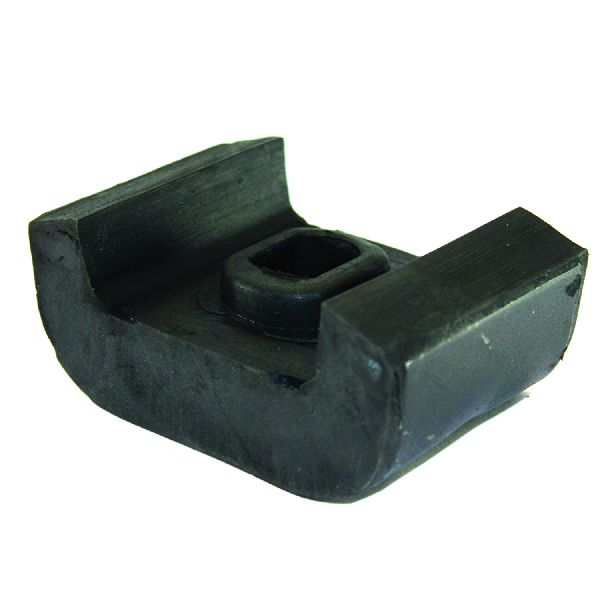
These brands produce affordable, direct-fit replacements made from rubber, similar to the original part. They are designed to restore the factory ride quality by absorbing vibrations. While the low price is tempting, many mechanics and owners report issues with these brands. Common complaints include the use of harder rubber that increases cabin vibration, poor fitment requiring modification, and a short service life, with failures sometimes occurring in under a year. Consider these if budget is your only concern, but be aware you may be replacing the part again sooner than you'd like.
Performance / Heavy-Duty Tier (Polyurethane)
Brands: Prothane, Daystar
These mounts use polyurethane, a tough plastic material, instead of rubber. Polyurethane is extremely durable and highly resistant to oil, heat, and chemicals. It creates a much firmer connection between the transmission and the frame, which is excellent for high-horsepower engines, towing, or heavy off-road use. The major trade-off is a significant increase in noise and vibration felt inside the cab. Polyurethane doesn't absorb vibrations as well as soft rubber. Choose this option if you prioritize strength and longevity and don't mind a rougher, noisier ride.
| Tier | Brands | Material | Pros | Cons |
|---|---|---|---|---|
| Economy | Anchor, DEA, Westar, etc. | Rubber | Low Cost, OEM-like ride feel (initially) | Questionable longevity, potential for poor fit, may fail prematurely. |
| Performance | Prothane, Daystar | Polyurethane | Extremely durable, resistant to oil/heat, great for heavy use. | Noticeably increases cabin noise and vibration. |
Pro Tip: When replacing your transmission mount, it's a perfect time to inspect your two engine mounts. A failed transmission mount puts extra stress on the engine mounts, and vice-versa. Replacing all three at once ensures proper drivetrain alignment and can save you from doing a similar job twice.
Frequently Asked Questions (FAQ)
How can I be sure my transmission mount is bad?
The most common signs are clunking noises when you shift into gear or accelerate, and new vibrations felt in the seat or floor. For a visual check, you can have a helper hold the brakes, start the truck, and shift between Drive and Reverse. If you look at the transmission, you may see the entire engine and transmission assembly lurching more than it should. A mechanic can also safely raise the vehicle and use a pry bar to check for excessive play or visible cracks in the rubber.
Should I choose a rubber or polyurethane mount for my K20?
For a stock truck used as a daily driver or for light work, a quality rubber mount is best for ride comfort. If your K20 has a modified engine, is used for heavy towing, or sees serious off-road action, a polyurethane mount from a brand like Prothane offers superior durability, but you must be willing to accept more cabin vibration.
Are there any recalls for the 1975-1986 K20 transmission mount?
No. Searches of the National Highway Traffic Safety Administration (NHTSA) database show no recalls or technical service bulletins (TSBs) specifically for the transmission mount on the 1975-1986 Chevrolet K20.
Can I replace the transmission mount myself?
Yes, this is a very DIY-friendly job for someone with basic tools and jack stands. The process involves safely supporting the transmission with a jack and a block of wood (under the transmission tailshaft housing, not the pan), removing a few bolts, and swapping the mount. The entire job can typically be done in 1-2 hours.
Technical Specifications
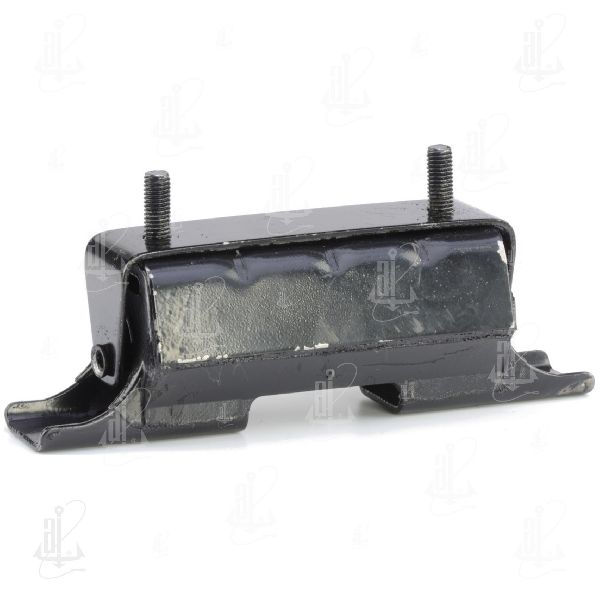
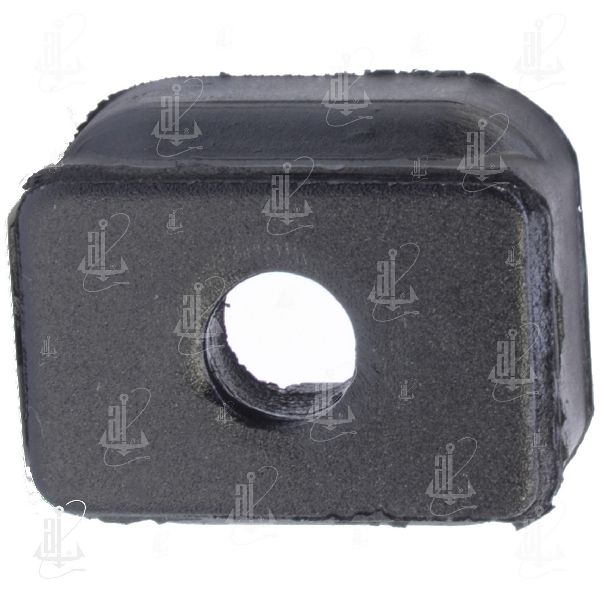
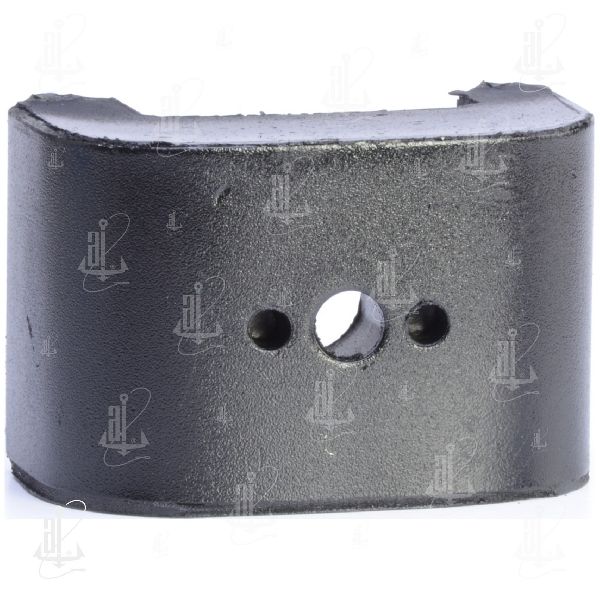
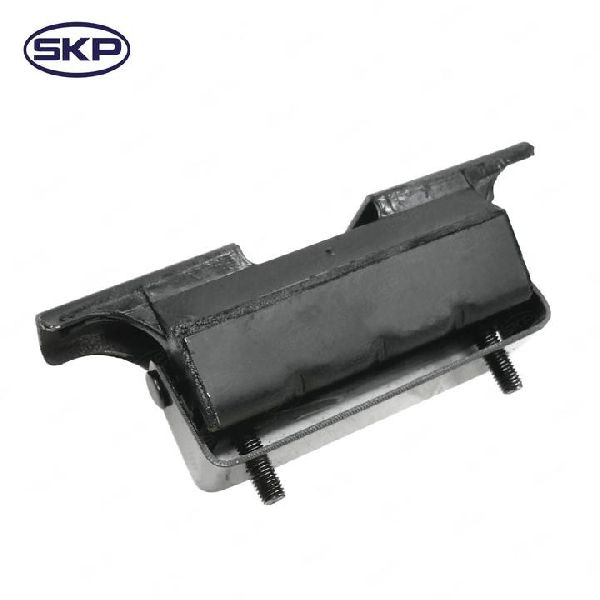
The standard mount for this application is a single-stud design that bolts to the transmission tailshaft housing and the frame crossmember. The design is common across many GM rear-wheel drive and four-wheel drive vehicles of the era.
We Have This Part in Stock

The information in this article is provided for general reference and educational purposes only. Vehicle specifications, procedures, and part compatibility can vary by production date, trim level, and region. Always consult your vehicle's factory service manual and verify part numbers before purchasing or performing repairs. Safety-critical components such as airbags, seat belts, and braking systems should be installed by a qualified professional.