

Ford LTD Ignition Control Module Guide for 1975-1986 Models
Solve stalling, no-start, and rough running issues by understanding the ignition module in your classic Ford LTD.
- The most common failure symptom is the engine stalling when hot and restarting after it cools down.
- Failure is caused by heat breaking down the internal electronics over time; a good ground connection is crucial.
- Quality aftermarket brands like Standard Ignition and Delphi are reliable and readily available alternatives to Motorcraft.
- The replacement is very easy for a DIY mechanic, and carrying a tested spare in the car is highly recommended.
Understanding the DuraSpark Ignition Module in Your LTD
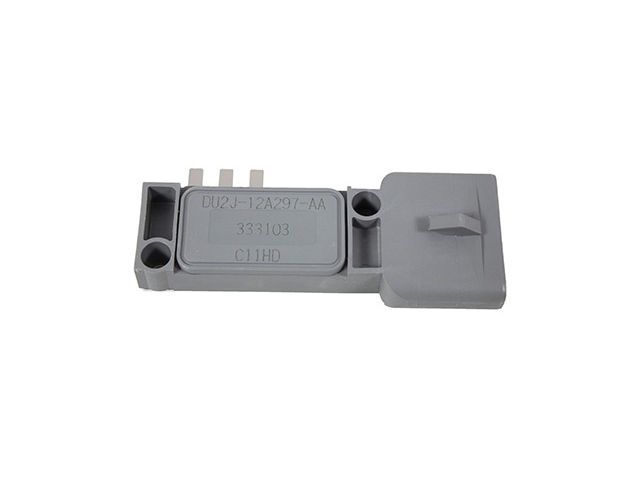
If you own a 1975 to 1986 Ford LTD, you have the DuraSpark electronic ignition system. The heart of this system is the ignition control module, a small electronic box typically mounted on the fender well or firewall. Its job is to create a reliable spark for the engine. While the DuraSpark system was a big improvement over older points systems, the modules themselves are a known weak point and a very common part to fail, especially as they age.
Symptoms of a Failing Ignition Module
Ignition module failures are famous for being intermittent, often happening only after the engine gets hot. This can make them tricky to diagnose. Here are the classic signs:
- Stalling When Hot: This is the most common symptom. The engine runs fine when cold, but after 15-30 minutes of driving, it will suddenly stall. After cooling down for a while, it may start right back up.
- No-Start Condition: The engine cranks over perfectly but will not fire up. This can be intermittent or happen suddenly without warning.
- Engine Misfires or Runs Rough: A failing module can cause the engine to sputter, misfire, or run very poorly, especially under load.
- No Spark: The most definitive test is a lack of spark coming from the ignition coil. If you have fuel but no spark, the module is a primary suspect.
Heat is the Enemy
The electronics inside the module are sensitive to heat. Engine bay temperatures cause the internal components to fail over time. This is why symptoms often appear only when the engine is fully warmed up. When replacing the module, ensuring it has a good, clean metal-to-metal mounting surface for grounding and heat dissipation is critical.
Choosing the Right Aftermarket Module
For a vehicle of this age, finding a brand-new OEM Motorcraft part can be difficult and expensive. High-quality aftermarket parts are an excellent and reliable choice. Here’s a breakdown of available brands:
- Motorcraft (OEM): Historically considered the benchmark for quality and reliability. However, even modern Motorcraft parts may be manufactured offshore and some owners report failures. If you can find a new-old-stock (NOS) American-made one, it's a great find, but a modern quality aftermarket part is often just as good or better.
- Standard Ignition (SMP): A highly respected aftermarket brand with a long history. Their products are generally considered a top-tier replacement for the original and are widely available. Many professional mechanics trust and use Standard parts.
- Delphi: A major OEM supplier for many car manufacturers. Delphi parts have a strong reputation for quality and are a solid choice for your LTD.
Carry a Spare
Because these modules can fail without warning and leave you stranded, many experienced Ford owners keep a spare, tested module and a small wrench in their glove box or trunk. It's a cheap and easy piece of insurance that can save you a tow truck bill.
Estimated Costs for Replacement
| Part Type | Estimated Cost |
|---|---|
| New Aftermarket (Delphi, Standard) | $79.15 - $110.55 |
| Shop Labor | $50 - $100 |
| Total Estimated Cost | $129.15 - $210.55 |
Note: Costs are estimates and can vary based on location and specific retailer.
Frequently Asked Questions (FAQ)
Is replacing the ignition module a DIY job?
Yes, this is a very easy job for a DIY mechanic. The module is usually located on the inner fender and held on by a couple of small screws. It's a simple unplug-and-replace process that requires basic hand tools and typically takes less than 30 minutes.
Do I need special grease for the new module?
Some modules come with a packet of dielectric grease or thermal paste. Dielectric grease should be used inside the electrical connectors to keep out moisture. If thermal paste is supplied, it should be applied to the metal back of the module to help transfer heat to the fender, though this is more critical for modules mounted directly to the distributor. A clean, tight ground connection is the most important thing for fender-mounted modules.
Can I test my old ignition module?
Most auto parts stores cannot test these older Ford modules. The best test is substitution. If you suspect your module is bad, swapping in a known-good one is the fastest way to confirm the diagnosis. This is another reason why carrying a spare is a good idea.
Are there any recalls on the Ford LTD ignition module?
There have been no specific recalls found for the ignition control module on 1975-1986 Ford LTD models through NHTSA searches. There was a major class-action lawsuit regarding stalling in Fords from this era related to the placement and overheating of the ignition module, but it did not result in a formal safety recall for all vehicles.
Technical Specifications
OEM Part Numbers: D9AZ-12A199-C E1AZ-12A199-A D8VE-12A199-A1C D8VE-12A199-A2B
This module is part of the Ford DuraSpark II ignition system. It is a solid-state electronic device that controls ignition coil saturation and timing. It typically features a blue grommet where the wires enter the module, which historically indicated the DuraSpark II version.
We Have This Part in Stock


The information in this article is provided for general reference and educational purposes only. Vehicle specifications, procedures, and part compatibility can vary by production date, trim level, and region. Always consult your vehicle's factory service manual and verify part numbers before purchasing or performing repairs. Safety-critical components such as airbags, seat belts, and braking systems should be installed by a qualified professional.