

Chevrolet C20 Starter Motor Replacement and Upgrade Guide (1975-1987)
Struggling with a no-start or slow crank in your Square Body C20? Your starter might be the problem.
- Heat soak is a very common problem for 1975-1987 C20s; a high-torque mini starter is the best solution.
- Symptoms include clicking, slow cranking, or no-start conditions, especially when the engine is hot.
- Replacement is a DIY-friendly job, typically requiring only basic hand tools and about 1-2 hours.
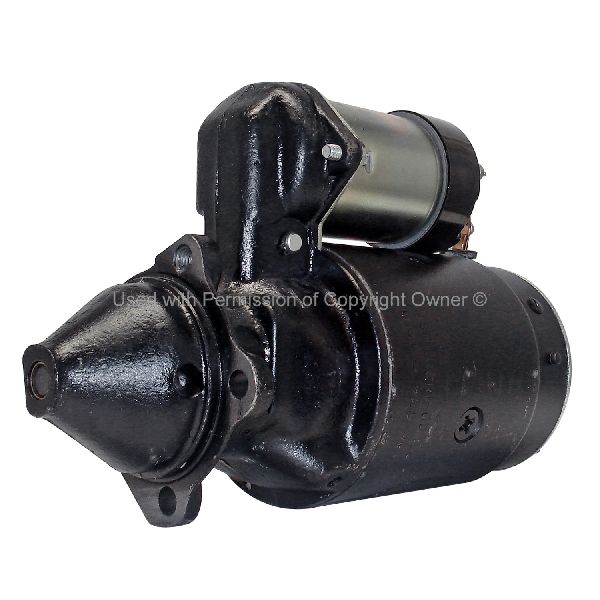
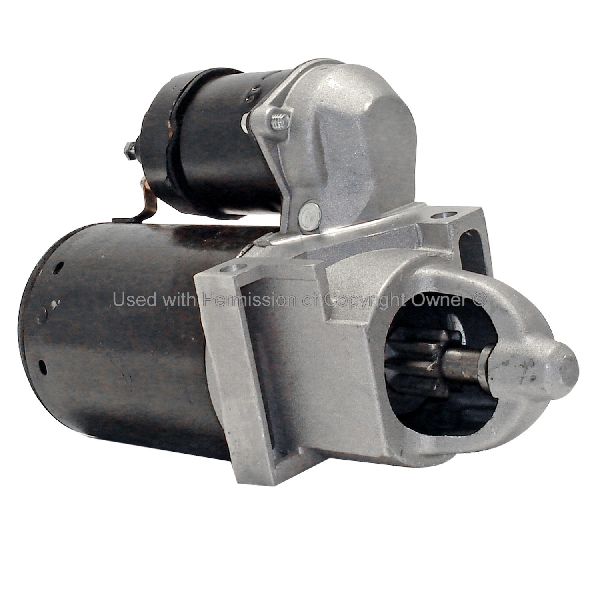
- Verify if you need a starter for a 153-tooth (straight bolts) or 168-tooth (staggered bolts) flywheel before ordering.
Is Your C20 Starter Failing? Common Symptoms
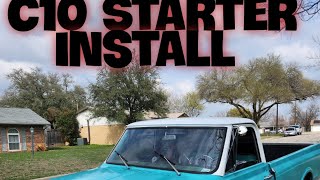
A failing starter rarely dies without warning. For 1975-1987 C20 trucks, the signs are usually clear. If you turn the key and hear a single, loud click but the engine doesn't turn over, it often points to a bad starter solenoid. A series of rapid clicks can also indicate a starter issue, though it's wise to check your battery first. 🎬 Watch: Quick and easy way to test your truck's starter. A slow, sluggish crank, especially when the engine is hot, is another classic symptom. In some cases, you might hear a grinding noise, which could mean the starter gear isn't meshing correctly with the flywheel.
The Heat Soak Problem
A very common issue for these trucks is "heat soak." This happens when the starter gets so hot from the nearby exhaust manifold that it temporarily stops working. You'll notice your truck starts fine when cold, but after a drive, it won't crank until it has cooled down for 15-30 minutes. This is caused by increased electrical resistance inside the starter and solenoid when they get hot.
Choosing the Right Aftermarket Starter for Your C20
For a vintage truck like the 1975-1987 C20, aftermarket starters are a practical and often superior choice. The original large, heavy starters are prone to heat soak. Many modern aftermarket options offer solutions to this problem.
Brand & Quality Tiers
When shopping for a new starter, you'll find a few types of brands:
- OEM-Equivalent (Good): ACDelco's Professional line offers reliable, stock-style replacements that meet original specifications. They are a trusted choice for a direct, no-fuss replacement. However, a stock-style replacement may still be vulnerable to heat soak in certain conditions.
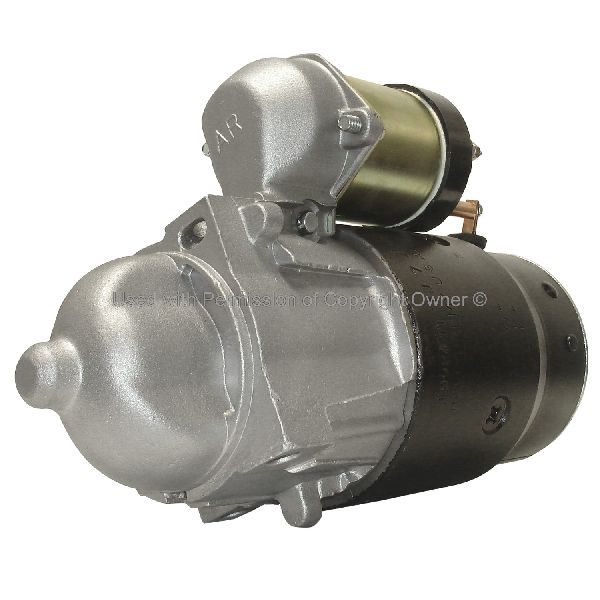
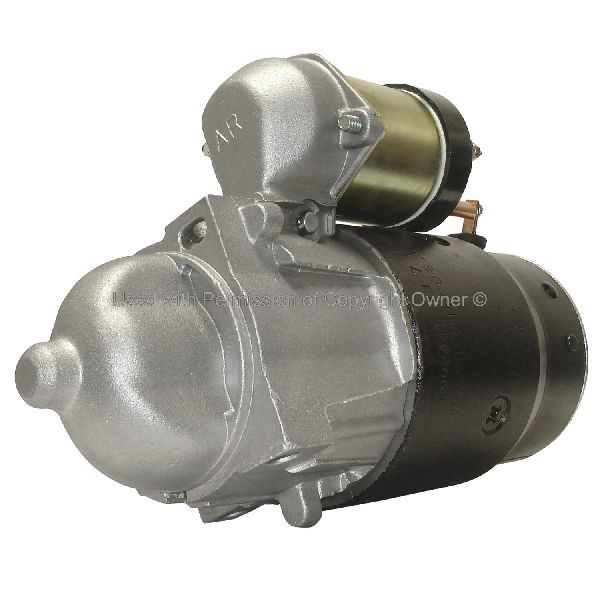
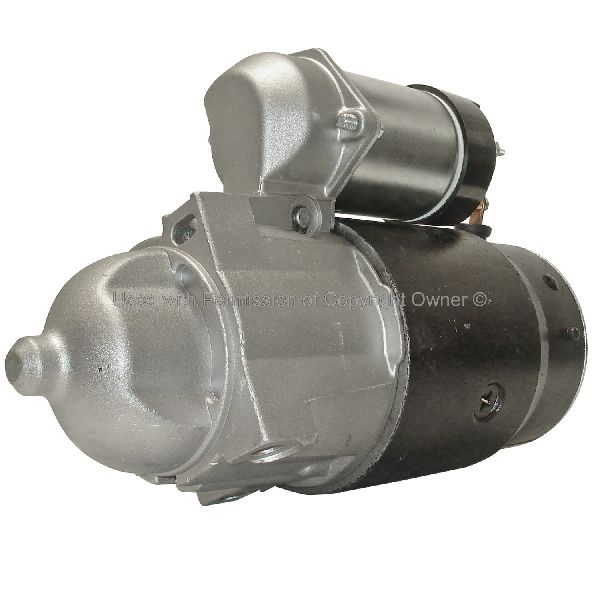
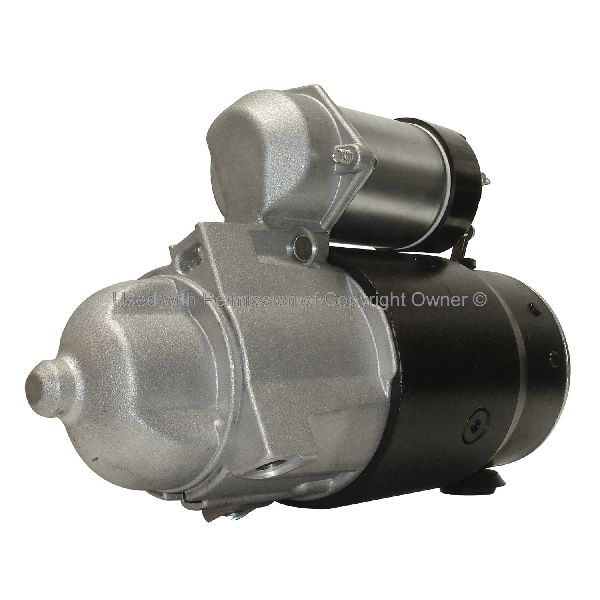
- Standard Aftermarket (Better): Brands like MPA (Motorcar Parts of America) produce new and remanufactured starters that are a cost-effective alternative to OEM parts. They provide broad coverage and are tested to meet performance standards, making them a solid choice for daily drivers.
- Performance / High-Torque (Best): Brands like Powermaster and Proform specialize in high-torque, gear-reduction mini starters. These are smaller, lighter, and more powerful than the original units. Their design makes them more resistant to heat soak and better at turning over engines with higher compression, making them a popular upgrade for C20 owners, especially those with headers or who experience hot-start issues.
Pro Tip: Consider a Mini Starter
For any C20, especially one with headers or that suffers from heat soak, upgrading to a high-torque mini starter from a brand like Powermaster is a highly recommended solution. They provide better clearance, more cranking power, and are less susceptible to heat-related failures.
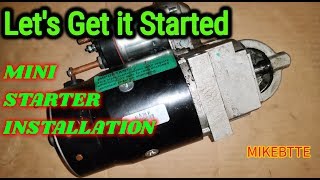
🎬 See how to install a mini starter on a square body.| Part Type | Estimated Cost |
|---|---|
| New Aftermarket (Standard) | $40 - $150 |
| New Aftermarket (High-Torque/Performance) | $180 - $435 |
| Remanufactured Aftermarket | $50 - $120 |
| Shop Labor | $100 - $250 |
Frequently Asked Questions (FAQ)
Do I need to use shims when installing my new starter?
Maybe. Starter shims are used to create the proper gap between the starter gear and the flywheel. Incorrect spacing can cause grinding noises or damage to the teeth on the starter or flywheel. Some replacement starters come with shims and a gauge. It's crucial to check this clearance upon installation.
Are there any recalls for the starter on a 1975-1987 C20?
No. Searches of the National Highway Traffic Safety Administration (NHTSA) database show no specific recalls for the starter motor on this generation of Chevrolet C20 trucks. Given the age of the vehicle, any such issues would have been addressed through Technical Service Bulletins (TSBs) or are now considered common knowledge among mechanics.
What's the difference between a starter for a 153-tooth and a 168-tooth flywheel?
The main difference is the mounting bolt pattern. Starters for the smaller 153-tooth flywheel have bolts that are straight across from each other. Starters for the larger 168-tooth flywheel have a staggered or diagonal bolt pattern. It is critical to order the correct starter for your application. Many performance starters come with an adjustable mounting block to fit both.
Can I replace the starter myself?
Yes, for someone with basic mechanical skills and tools, this is a very feasible DIY job. It typically involves disconnecting the battery, raising the front of the truck for access, removing two bolts, and swapping a couple of wires. Access can be tight, especially around the exhaust, but it doesn't require specialized tools.
🎬 Watch this walkthrough on replacing a small block Chevy starter.Helpful Videos
Technical Specifications
OEM Part Numbers: 323-367
Common variations include mounting patterns for 153-tooth or 168-tooth flywheels. Aftermarket high-torque versions are available with gear reduction ratios like 3.25:1 or 3.7:1 and power ratings from 1.4kW to 1.8kW.
We Have This Part in Stock

The information in this article is provided for general reference and educational purposes only. Vehicle specifications, procedures, and part compatibility can vary by production date, trim level, and region. Always consult your vehicle's factory service manual and verify part numbers before purchasing or performing repairs. Safety-critical components such as airbags, seat belts, and braking systems should be installed by a qualified professional.