

Dodge D100 Ignition Switch Guide for 1975-1989 Models
Having trouble starting your classic Dodge D100? The ignition switch might be the problem.
- A failing ignition switch is a critical safety issue that can cause your D100 to stall in traffic; do not drive if you suspect it's bad.
- Symptoms are almost always electrical, such as no-start conditions, stalling, or flickering dash lights.
- The problem is the electrical switch on the steering column, not the mechanical lock cylinder your key fits into.
- Standard Ignition is a trusted aftermarket brand for this part, and replacement is a straightforward DIY job for most owners.
Is Your D100's Ignition Switch Failing?
On a classic truck like the 1975-1989 Dodge D100, electrical components are common failure points. The ignition switch carries a significant electrical load and can wear out over time. Internal contacts can burn, springs can break, and connections can become loose, leading to a range of frustrating electrical problems. It's important to distinguish between a bad ignition switch (an electrical problem) and a bad lock cylinder (a mechanical problem where the key gets stuck). If the key turns fine but you have electrical gremlins, the switch is a likely suspect.
Known Issues for This Generation
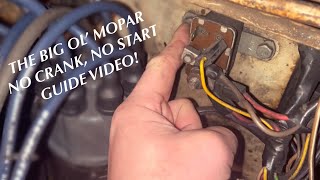
While no specific recalls or Technical Service Bulletins (TSBs) from the NHTSA target the ignition switch for the 1975-1989 Dodge D100, owner forums contain numerous discussions about starting problems related to the ignition system. A common issue reported by owners is a "no-crank" or "crank-no-start" 🎬 Watch: How to diagnose classic Mopar no-start issues condition where the problem is traced back to the switch or the wiring connected to it. Sometimes, the truck will only start after you release the key from the 'start' to the 'run' position, pointing to a failure in the switch's bypass circuit. Wiggling the key or the wires under the dash can sometimes temporarily make a connection, which is a strong indicator of a worn-out switch.
⚠️ Safety First: A Failing Switch is a Serious Risk
One of the most dangerous symptoms of a bad ignition switch is the engine stalling while driving. This can happen if the switch loses its internal connection, cutting power to the ignition and fuel systems. This results in a complete loss of power and can be extremely hazardous. If you suspect your ignition switch is failing, it is not safe to drive the vehicle.
Choosing the Right Aftermarket Ignition Switch
For a vehicle of this age, OEM (Original Equipment Manufacturer) parts are often discontinued and no longer available from the dealer. The aftermarket is the primary source for replacement ignition switches.
Brand Quality: Standard Ignition
Standard Motor Products (SMP), sold under the brand name Standard Ignition, is a well-regarded aftermarket manufacturer that has been around for decades. For American trucks like the Dodge D100, their parts are generally considered to be of good quality, often meeting or exceeding original specifications. Many professional mechanics and experienced DIYers trust Standard Ignition for electrical components because of their reputation for reliability and proper fit. While some reviews mention concerns about outsourcing on newer product lines, their traditional ignition components for classic vehicles are typically solid choices. Choosing a known brand like Standard is a safer bet than a generic, unbranded part, which can have questionable quality and longevity.
Aftermarket Ignition Switch Cost for 1975-1989 Dodge D100
| Part Type | Price Range |
|---|---|
| New Aftermarket (Standard Ignition) | $36.70 - $96.99 |
| Shop Labor for Installation | $100 - $200 |
Pro Tip: Check the Actuator Rod
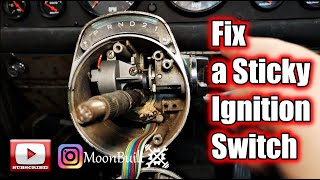
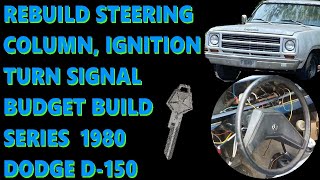
The ignition switch is connected to the lock cylinder by a long metal actuator rod inside the steering column. When you have the column covers off, inspect this rod. 🎬 Watch: Steering column teardown and ignition switch access If it's bent, damaged, or has excessive play, it may not be moving the new switch correctly, leading you to believe the new part is also faulty.
Frequently Asked Questions (FAQ)
Is it hard to replace the ignition switch on a Dodge D100?
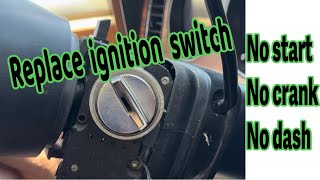
No, it is generally considered a DIY-friendly job for someone with basic mechanical skills. The switch is located on the steering column and is accessed by removing the lower dash panels. The process involves disconnecting the battery, lowering the steering column for access, unplugging the electrical connector, and removing the screws holding the switch. 🎬 See this step-by-step ignition switch replacement walkthrough It typically takes 1-2 hours and requires basic hand tools.
Will I need a new key?
No. You are replacing the electrical switch, not the mechanical lock cylinder that the key goes into. You will continue to use your original keys.
What's the difference between the ignition switch and the lock cylinder?
The lock cylinder is the mechanical part you put your key into. It has tumblers that match your key. The ignition switch is the electrical part that the lock cylinder operates via a connecting rod. If your key is hard to turn or gets stuck, the lock cylinder is likely the issue. If the key turns fine but the truck has electrical problems like not starting or stalling, the ignition switch is the probable cause.
My truck starts but then dies immediately. Could this be the ignition switch?
Yes, this is a classic symptom of a failing ignition switch. The switch may provide power in the "START" position but fail to maintain power to the ignition system when the key returns to the "ON" position, causing the engine to shut off.
Helpful Videos
Technical Specifications
The ignition switch is an electrical component mounted on the steering column, actuated by a rod. It is separate from the ignition lock cylinder.
We Have This Part in Stock


The information in this article is provided for general reference and educational purposes only. Vehicle specifications, procedures, and part compatibility can vary by production date, trim level, and region. Always consult your vehicle's factory service manual and verify part numbers before purchasing or performing repairs. Safety-critical components such as airbags, seat belts, and braking systems should be installed by a qualified professional.