

Dodge W100 Catalytic Converter: A Guide for 1975-1989 Models
Everything you need to know about replacing the catalytic converter on your classic Dodge W100 truck.
- For a 1975-1989 W100, you will need a universal aftermarket converter that requires cutting and welding to install.
- Your truck does not have a check engine light; you must rely on physical symptoms like power loss, rattling, or a bad smell to diagnose a failure.
- The root cause of converter failure is often an engine issue (like a rich fuel mixture), which should be addressed to avoid damaging the new part.
- Brand choice matters: MagnaFlow and Walker are trusted names, while AP and Eastern offer more budget-friendly options.
Is Your W100's Catalytic Converter Failing?
The catalytic converter on your 1975-1989 Dodge W100 was built to last, but after decades on the road, failure is common. Unlike modern vehicles, your truck doesn't have a 'Check Engine' light that will tell you the converter is having problems. You need to rely on physical signs. The original problem is often not the converter itself, but an engine running too rich (too much fuel), which sends unburned fuel into the exhaust and melts the converter's internal structure.
Common Failure Symptoms
🎬 Watch: 6 common signs of a clogged catalytic converter- Loss of Power: This is the most common sign. If your truck feels sluggish, struggles to accelerate, or can't get past a certain RPM, the converter may be clogged, creating backpressure that chokes the engine. 🎬 See how to test exhaust back pressure for clogs
- Rattling Noise: If you hear a rattling or metallic shaking sound from under the truck, the ceramic honeycomb inside the converter has likely broken apart.
- Rotten Egg Smell: A strong sulfur smell from the exhaust means the converter is no longer properly processing the gases.
- Excessive Heat Underneath: A clogged converter traps an enormous amount of heat. You may feel this heat radiating from under the floor of the cab.
- Worse Gas Mileage: When the engine has to work harder to push exhaust gases through a clog, your fuel economy will suffer.
Choosing the Right Aftermarket Converter
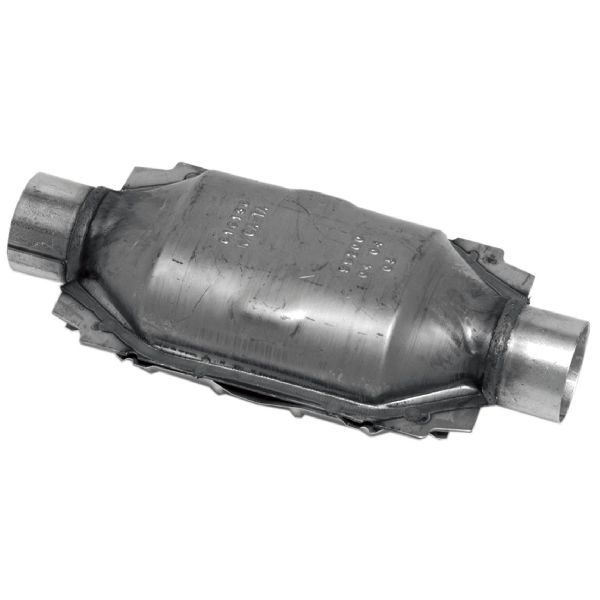
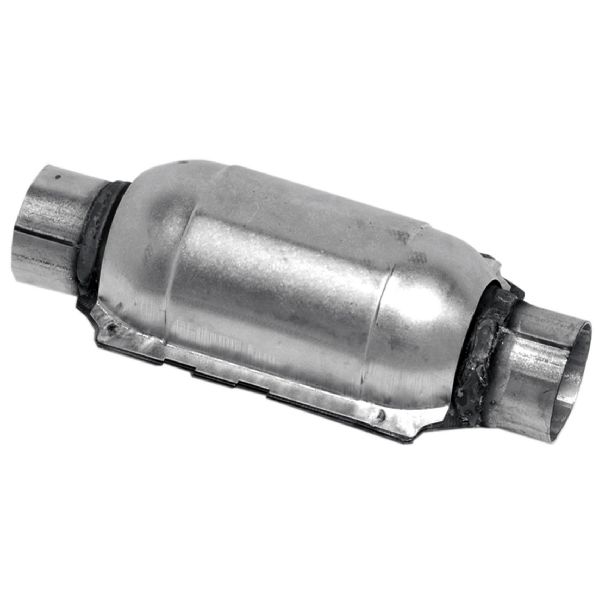
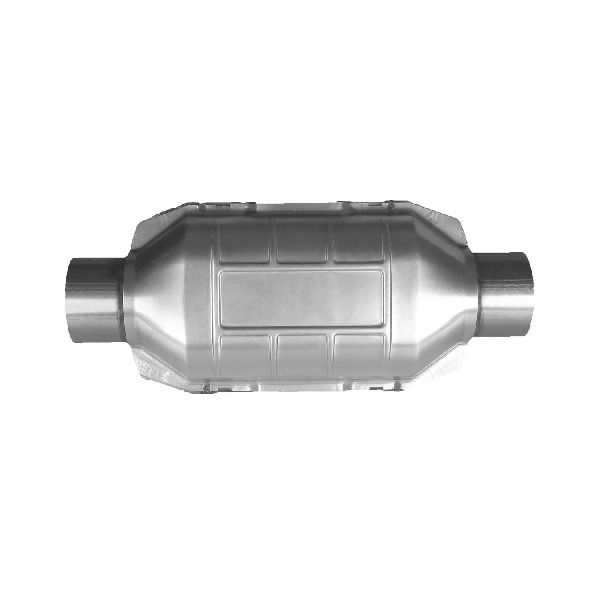
Original OEM converters for this truck are no longer made. Your only option is an aftermarket part. For a vehicle of this age, you will almost certainly be using a universal fit converter. This means the part is not a direct bolt-on replacement and will require a professional to cut out the old converter and weld the new one into place. The most important factor is matching the new converter's inlet and outlet diameter to your truck's exhaust pipe.
Aftermarket Brand Tiers
Not all aftermarket parts are created equal. Here’s a breakdown of the brands available for your W100:
- Premium (MagnaFlow): MagnaFlow is a well-regarded brand known for high-quality stainless steel construction and good performance. They are often considered a top-tier aftermarket option and may come at a higher price, but they are a solid choice if you plan to keep your truck for years to come.
- Standard (Walker Exhaust): Walker is one of the most trusted names in standard exhaust replacement parts. They provide a reliable, EPA-compliant converter that is a good balance of quality and cost. Some users in forums report that Walker parts can be prone to rust over many years, but for most owners, they are a dependable choice.
- Economy (AP Exhaust, Eastern Catalytic): These brands offer a more budget-friendly solution. They will get your truck to pass an emissions test, but may not have the same longevity or robust construction as the more premium brands. If cost is the primary concern, they are a viable option.
Estimated Replacement Costs
| Part/Service | Estimated Cost |
|---|---|
| New Aftermarket Universal Converter | $84 - $873 |
| Shop Labor (Welding Required) | $150 - $400 |
| Total Estimated Cost | $234 - $1,273 |
Frequently Asked Questions
Do I really need a catalytic converter on my old truck?
Yes. It is a federal offense to remove or modify emissions components on a street-driven vehicle. Even if your state doesn't have emissions testing for a vehicle of this age, the converter must be present and functional to be legal. A shop can be fined for removing it and may refuse to work on your truck if it's missing.
Can I replace the converter myself?
This is not a simple bolt-off, bolt-on job. Because you will be using a universal converter, it requires cutting the exhaust pipe and welding the new unit in place. 🎬 Watch: Step-by-step guide to installing a universal catalytic converter This job is only feasible for a DIYer with significant welding experience and the proper tools. For most owners, professional installation is recommended.
Why did my original converter fail?
Converters don't just die of old age; they are killed. The most common cause is an engine problem. An engine that is misfiring or has a poorly adjusted carburetor can send unburned fuel into the exhaust. This fuel ignites inside the converter, melting the internal structure and causing a clog. Before replacing a failed converter, it's wise to ensure your engine is properly tuned to prevent damaging the new one.
Is a 'direct-fit' converter available?
While some parts are listed as 'direct-fit' for the W100, they are rare and may still require modification to fit perfectly. Given the age of the truck and variations over the years, a universal converter that is welded into place is the most common and reliable solution. Always measure your exhaust pipe diameter before ordering.
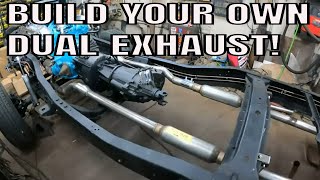
Helpful Videos
Technical Specifications
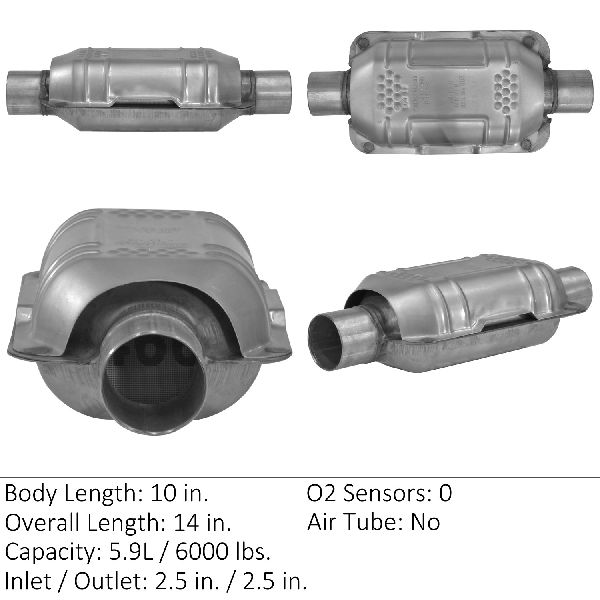
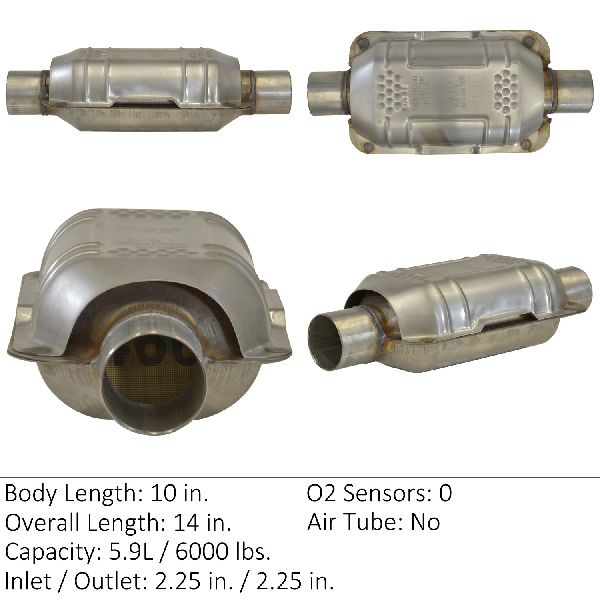
The most critical specification is matching the converter's inlet/outlet diameter to your truck's existing exhaust pipe diameter. This must be measured before ordering a universal part. Most W100 models will use a 2.25" or 2.5" pipe.
We Have This Part in Stock

The information in this article is provided for general reference and educational purposes only. Vehicle specifications, procedures, and part compatibility can vary by production date, trim level, and region. Always consult your vehicle's factory service manual and verify part numbers before purchasing or performing repairs. Safety-critical components such as airbags, seat belts, and braking systems should be installed by a qualified professional.