

Dodge W100 (1975-1989) Front Disc Brake Caliper Replacement Guide
Everything a W100 owner needs to know about replacing old, sticking, or leaking front brake calipers.
- The most common failure on a W100 is a seized caliper piston or slide pins due to rust and age, causing pulling or brake drag.
- It is strongly recommended to replace front calipers in pairs to ensure balanced braking.
- Remanufactured calipers are the industry standard for this vehicle; brands like Dynamic Friction, BBB Industries, and Cardone are common options.
- After replacement, the brake system must be bled to remove air, which is critical for safety.
Is it Time to Replace Your W100's Brake Calipers?
The single-piston front calipers on the 1975-1989 Dodge W100 are tough, but they don't last forever. After decades of use, exposure to moisture, and road salt, the internal piston and external slide pins can corrode and seize. This is one of the most common brake problems for these trucks. A seized caliper can either fail to apply pressure, reducing stopping power, or get stuck, causing the brake to drag constantly.
Key Symptoms of a Failing Caliper:
- Pulling to One Side: When you hit the brakes, the truck veers left or right. This often means one caliper is working harder than the other.
- Brake Drag: The truck feels sluggish or like the parking brake is slightly on. A stuck caliper forces the pad against the rotor even when you're not braking.
- Burning Smell: A sharp, acrid smell after driving indicates a dragging brake is overheating. This is a serious symptom that can damage the rotor and wheel hub.
- Spongy or Soft Brake Pedal: If a caliper seal fails and leaks brake fluid, the pedal may feel soft or sink towards the floor. You might also see fluid near the inside of the wheel.
- Uneven Brake Pad Wear: When you inspect your brake pads, one side might be worn down significantly more than the other. This points to a seized caliper piston or stuck slide pins.
Safety First: Brake System Warnings
Brake issues should never be ignored. A dragging caliper can overheat to the point of starting a fire, and a leaking caliper can lead to total brake failure. If you experience a sudden soft pedal or smell burning, pull over safely and inspect your brakes.
Choosing the Right Aftermarket Caliper
For a classic truck like the W100, finding new OEM (Original Equipment Manufacturer) calipers is nearly impossible. The market is dominated by remanufactured aftermarket parts, which are original caliper cores that have been rebuilt with new seals, pistons, and hardware. This is the standard and most cost-effective option.
The brands available—Cardone, BBB Industries, and Dynamic Friction—are all established names in the aftermarket.
- Cardone: One of the largest remanufacturers. Their quality can sometimes be inconsistent, with some users reporting issues like incorrectly installed piston boots or stripped bleeder screws. However, they are widely available and often the most affordable.
- BBB Industries: A large remanufacturer that supplies many store brands. They state their calipers are rebuilt to meet or exceed OE specifications and are 100% pressure tested. They are generally considered a reliable, standard-quality option.
- Dynamic Friction: Often viewed as a higher-quality aftermarket brand. Users sometimes report their products have a better initial bite than OEM. They are a solid choice if available for your truck.
Pro Tip: Loaded vs. Unloaded Calipers
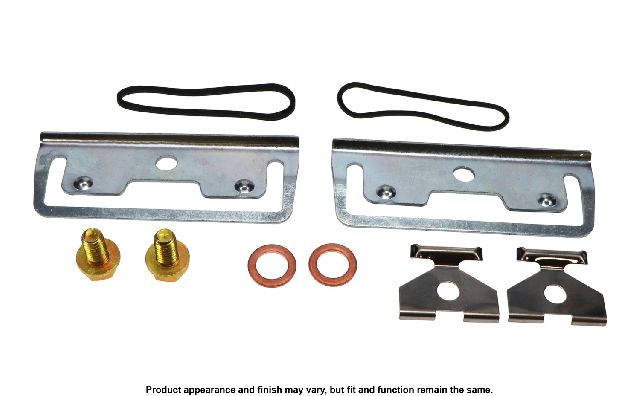
You can buy calipers "unloaded" (just the caliper) or "loaded" (with new brake pads and sometimes hardware included). If your pads are also due for replacement, a loaded caliper can save time and ensure all components are fresh. Many W100 calipers are sold with the mounting bracket, which is recommended.
Estimated Replacement Costs
The cost to replace a front brake caliper on your W100 depends on the parts you choose and who does the work. Most calipers for this truck are remanufactured.
| Part/Service | Estimated Cost (Per Side) |
|---|---|
| New Aftermarket Caliper | $37.95 - $118.58 |
| Shop Labor | $150 - $300 |
| Total Estimated Cost | $188 - $419 |
Costs are estimates and may vary based on your location and the specific parts chosen. It is highly recommended to replace calipers in pairs (both front wheels) to ensure even braking performance.
Frequently Asked Questions (FAQ)
Are there any recalls for 1975-1989 Dodge W100 brake calipers?
A search of the National Highway Traffic Safety Administration (NHTSA) database shows no specific brake caliper recalls for the 1975-1989 Dodge W100 model years. Any failures are typically due to age-related wear and corrosion.
Can I rebuild my W100's original calipers?
Yes, caliper rebuild kits are available. These kits contain new rubber seals and boots. Rebuilding involves completely disassembling the caliper, cleaning out any corrosion, and replacing the seals. However, if the caliper piston or bore is heavily pitted or damaged, the caliper should be replaced. For most owners, buying a complete remanufactured caliper is faster and more reliable.
Is replacing a brake caliper a DIY job?
For a mechanic with some experience, this is a manageable job. It requires removing the wheel and unbolting the caliper and brake line. The most critical part of the job is properly bleeding the brake system afterward to remove all air from the lines. If you are not comfortable with brake system hydraulics, it's best to leave this job to a professional.
What are phenolic pistons and are they okay?
Some aftermarket calipers for the W100 use phenolic (a type of plastic composite) pistons instead of the original steel ones. Phenolic pistons do not rust and are less likely to seize from corrosion. They also transfer less heat to the brake fluid. They are a reliable and common material for modern replacement calipers.
Technical Specifications
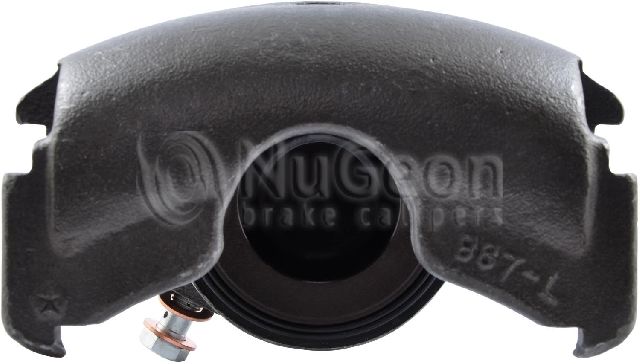
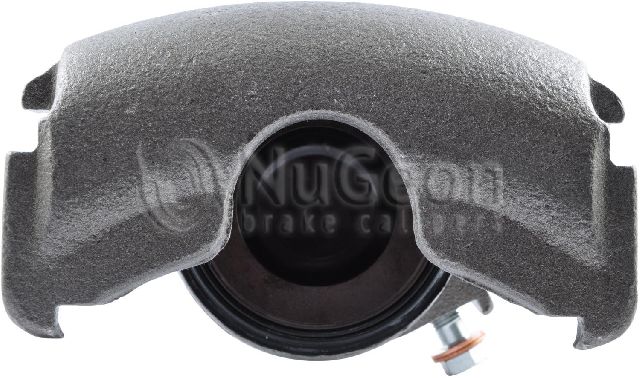
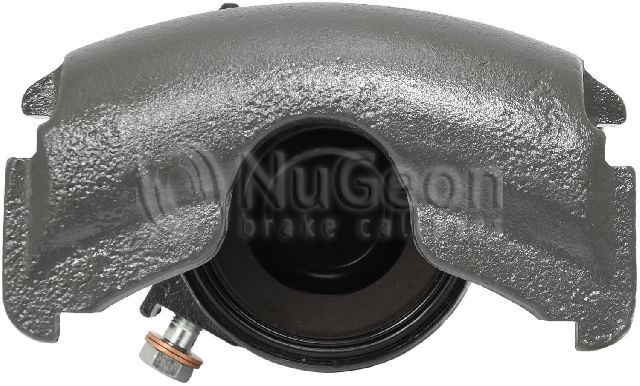
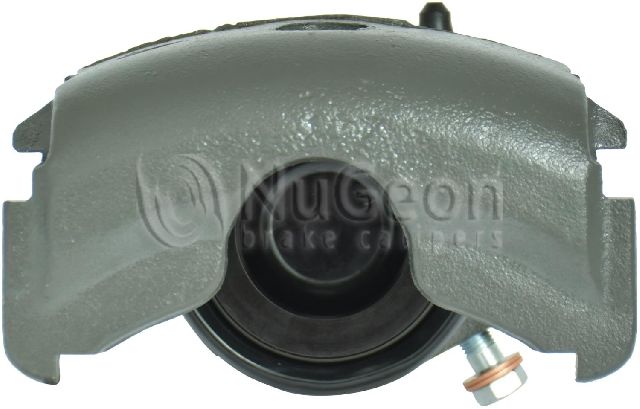
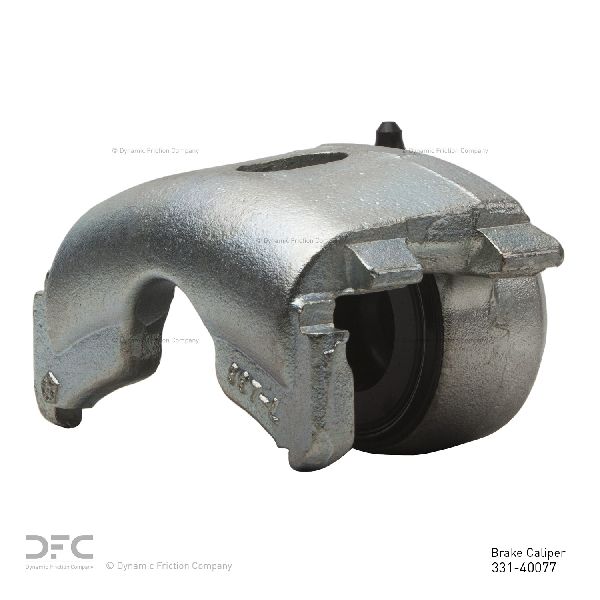
The 1975-1989 Dodge W100 uses a single-piston, floating front disc brake caliper. Replacement calipers are typically remanufactured iron castings and may come with either steel or phenolic pistons.
We Have This Part in Stock

The information in this article is provided for general reference and educational purposes only. Vehicle specifications, procedures, and part compatibility can vary by production date, trim level, and region. Always consult your vehicle's factory service manual and verify part numbers before purchasing or performing repairs. Safety-critical components such as airbags, seat belts, and braking systems should be installed by a qualified professional.