

Dodge W100 Engine Coolant Bypass Hose: A Complete Guide (1975-1989)
Don't let a small, inexpensive hose cause major engine problems in your classic Dodge W100.
- A failing bypass hose can cause catastrophic engine overheating; address any leaks or hose damage immediately.
- Only use a pre-molded aftermarket hose from a quality brand like Gates or Dayco; do not use a straight piece of hose.
- OEM parts are not available; modern aftermarket hoses are superior in quality to the original rubber.
- Always replace the hose clamps with the hose to ensure a proper, long-lasting seal.
Is Your W100's Bypass Hose Failing?
The rubber hoses in your classic truck's engine bay live a tough life. After decades of exposure to heat, pressure, and coolant, the original bypass hose is likely weak and brittle. A sudden failure can dump your coolant on the road, leading to rapid overheating and severe engine damage. Knowing the warning signs is key to preventing a breakdown.
Key Failure Symptoms
- Coolant Leaks: This is the most common sign. You may find puddles of green or orange fluid under the front of your engine. Because the hose is at the top of the engine, leaks often drip down the water pump and front of the engine block.
- Sweet Smell: Antifreeze has a distinct sweet smell. If you notice this from your engine bay, it's a sure sign that coolant is leaking and burning off on hot engine parts.
- Visible Damage: Pop the hood and look at the hose. Signs of trouble include cracks, splits, bulging, or a soft, spongy feel. A hose that looks swollen is weak and could burst at any moment.
- Crusty Residue: Slow leaks can leave behind a white, green, or pink crusty residue on or around the hose and its connection points.
- Engine Overheating: If the hose fails, the rapid loss of coolant will cause your temperature gauge to spike. If you see this, pull over immediately to avoid catastrophic engine damage.
Choosing the Right Aftermarket Bypass Hose
Original Mopar hoses for this truck are long gone. Fortunately, modern aftermarket hoses are made from superior materials like EPDM rubber, which lasts longer and resists heat and chemicals better than the original parts. For your 1975-1989 W100, you'll be choosing between quality aftermarket brands.
| Brand Tier | Brands | Quality & Fitment Notes |
|---|---|---|
| Premium Aftermarket | Gates, Dayco | Both are excellent, well-respected brands. Forum users sometimes give Gates a slight edge for perfect fitment, but both are considered reliable, high-quality choices. You can't go wrong with either for your Dodge truck. |
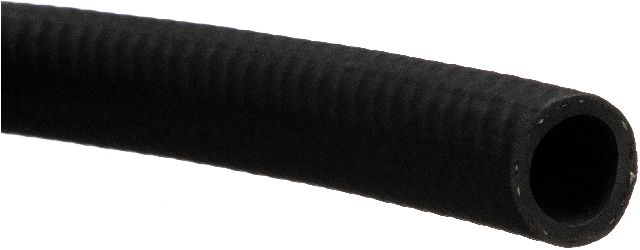
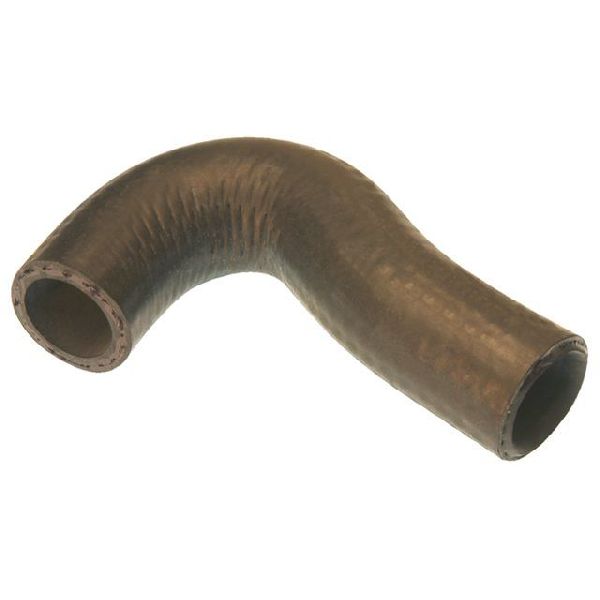
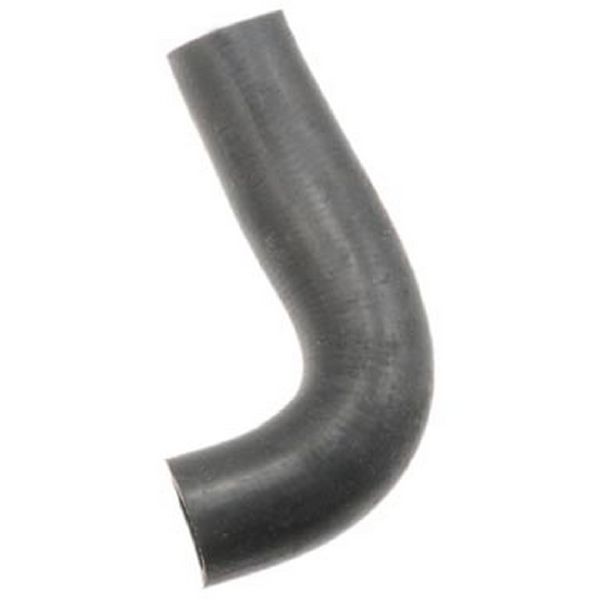
Pro Tip: Always use a pre-molded hose. Do not use a straight piece of bulk hose. The bypass hose has specific bends to avoid kinking and rubbing against other parts. A kinked hose will restrict flow and cause overheating.
Frequently Asked Questions (FAQ)
Are there any recalls for the W100 bypass hose?
No. There are no recalls or Technical Service Bulletins (TSBs) from the NHTSA for the engine coolant bypass hose on the 1975-1989 Dodge W100. Any failure you experience is due to the age and normal wear of the rubber part.
Can I replace the bypass hose myself?
Yes, this is a job most DIY mechanics can handle. Access can be tight, and on some Dodge V8 engines, you may need to remove the alternator and its mounting bracket to get to the hose. The basic steps are draining the coolant, removing the clamps and old hose, installing the new hose and clamps, and refilling the system. Always work on a cool engine.
Should I replace the hose clamps too?
Absolutely. Old hose clamps can lose their tension over time and fail to create a proper seal, even with a new hose. New clamps are inexpensive and are essential for a leak-free repair.
What's this about different hose sizes?
Mopar small block engines (like the 318 and 360 V8s common in these trucks) changed their bypass hose size around 1970. Your 1975-1989 W100 should use the later, larger 3/4" hose. If you have an older, pre-1970 engine swapped into your truck, you might need the smaller hose. Always verify your engine's year and water pump style if you are unsure.
Technical Specifications
The correct hose for 1975-1989 models is typically a molded EPDM rubber hose with a 3/4 inch inner diameter for the LA-series V8 engines (318, 360).
We Have This Part in Stock

The information in this article is provided for general reference and educational purposes only. Vehicle specifications, procedures, and part compatibility can vary by production date, trim level, and region. Always consult your vehicle's factory service manual and verify part numbers before purchasing or performing repairs. Safety-critical components such as airbags, seat belts, and braking systems should be installed by a qualified professional.