

Ford E-150 Econoline Starter Motor Replacement Guide (1975-1990)
Solve common starting problems like slow hot-starts and clicking with the right new aftermarket starter for your classic Ford van.
- Heat soak is the most common starter problem for V8-powered 1975-1990 E-150s, causing slow cranking when hot.
- Upgrading to a high-torque, gear-reduction 'mini-starter' is the most effective and permanent solution for heat soak.
- Before replacing the starter, always check that your battery is fully charged and that the battery cable connections are clean and tight.
- Replacement is a DIY-friendly task for most owners, typically requiring 1-2 hours and basic hand tools.
Is Your E-150 Starter Failing?
A bad starter can leave you stranded. For vans from the 1975-1990 model years, starter failure is common due to age and heat. Recognizing the signs early can save you a tow bill. Listen and feel for these symptoms when you turn the key.
Common Failure Symptoms:
- Slow Cranking, Especially When Hot: This is a classic sign of 'heat soak', a very common issue on V8-equipped E-150s. The starter is located near the hot exhaust, and over time, the heat increases electrical resistance inside the starter motor, making it struggle to turn the engine over.
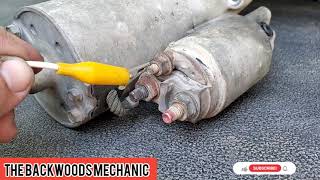
- Single Loud Click, Then Nothing: This usually points to a failed starter solenoid or a dead spot in the starter motor itself. The click is the solenoid engaging, but the motor isn't turning.
- Rapid Clicking Sound: This is often mistaken for a starter problem but is usually caused by a weak or dead battery that doesn't have enough power to turn the starter motor. Always check your battery first.
- Grinding or Whirring Noise: If you hear a grinding noise during or after cranking, the starter gear (Bendix) may be failing to engage or retract properly from the flywheel.
- No Sound at All: If there's no click and no crank, the problem could be in the ignition switch, neutral safety switch, or the starter solenoid.
A Known Issue: Starter Heat Soak
If you have a V8 engine (5.0L 302 or 5.8L 351W), your starter is highly susceptible to heat soak. 🎬 Watch: What is starter heat soak and how to fix it? The original, large factory starters absorb a lot of heat from the exhaust manifolds. After a drive, the heat makes the starter weak. Many owners solve this permanently by upgrading to a high-torque, gear-reduction 'mini-starter'.
Choosing the Right Aftermarket Starter
For a vehicle of this age, new OEM Ford starters are generally not available. The market consists of new and remanufactured aftermarket parts. Given the common heat soak issue, a new aftermarket starter is often a significant upgrade over the original design.
Brand Quality Tiers
Your choice depends on your engine and your budget. The brands available fall into a few categories:
- Premium Performance (Ford Performance, Powermaster, MSD): These brands specialize in high-torque, gear-reduction starters. They are smaller, lighter, and spin the engine faster with less battery draw. They are the best solution for V8 engines, especially those with headers or persistent heat soak problems. Powermaster is a popular choice for solving heat issues, though some users report mixed long-term reliability. MSD also offers powerful starters, but some reviews mention failures after the warranty period.
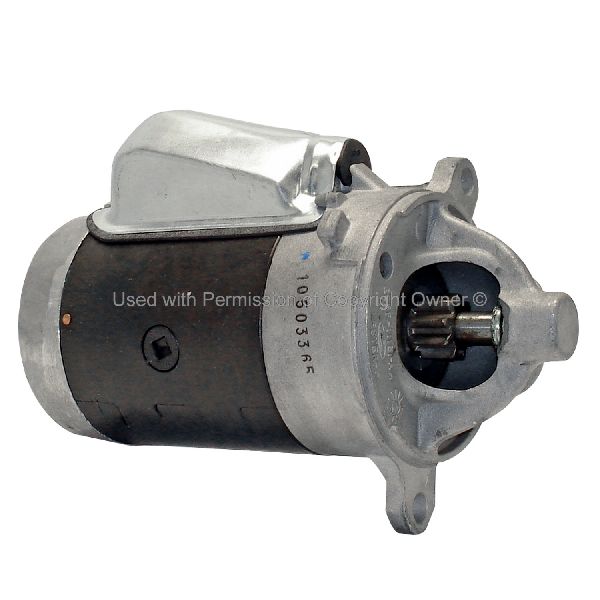
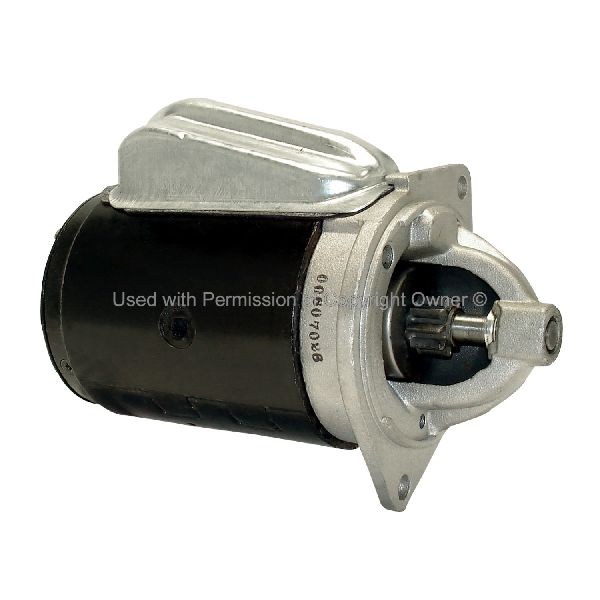
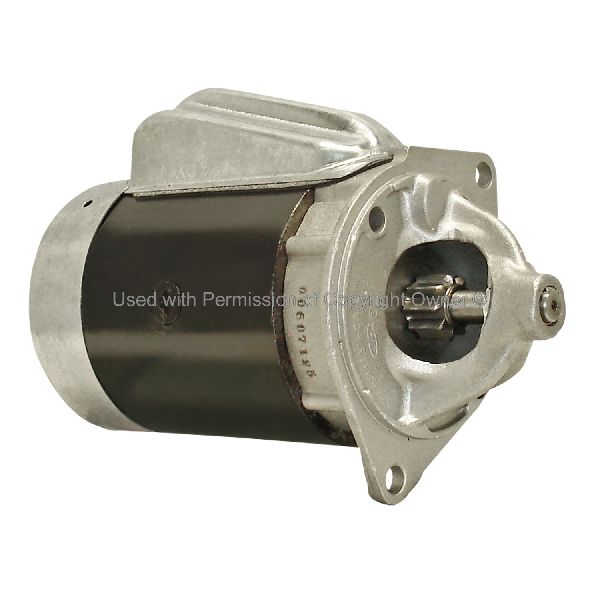
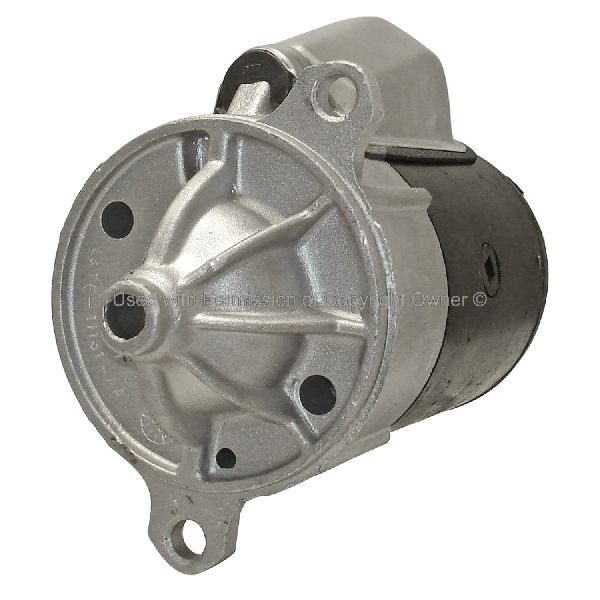
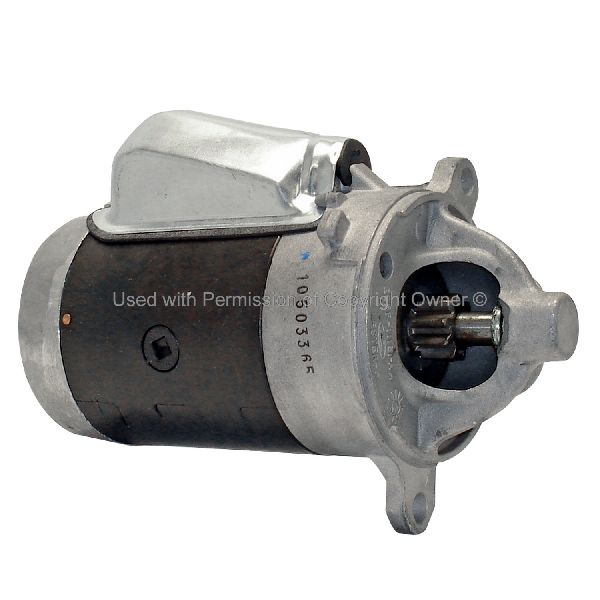
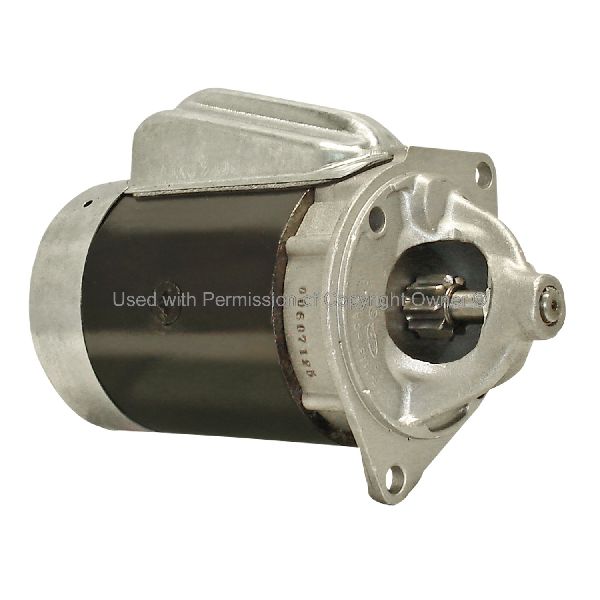
- Standard Replacement (MPA): Motorcar Parts of America (MPA) produces the Quality-Built line of starters. These are 100% new units designed to meet or exceed original factory specifications. An MPA starter is a reliable, cost-effective choice for a stock 4.9L I6 or a V8 that doesn't have heat-related starting problems.
- Budget Performance (Proform, Mr. Gasket): Proform offers affordable high-torque, gear-reduction starters that are 100% new. While they provide the benefits of a mini-starter, owner reviews are mixed, with some reporting premature failures. They can be a good option if budget is the primary concern, but may not have the longevity of premium brands.
Pro Tip: Don't Forget Your Cables
Before replacing your starter, inspect your battery cables. Old, corroded, or undersized cables can cause slow cranking that mimics a bad starter. Upgrading to thicker gauge (2-gauge or larger) battery and ground cables can make a noticeable difference in cranking speed, especially on V8 models.
Starter Replacement Cost for 1975-1990 E-150
The cost consists of the part itself and labor if you have a shop perform the work. With basic tools, this is a job many owners can do at home in an afternoon.
| Part Type | Estimated Cost |
|---|---|
| New Aftermarket Starter | $94.89 - $391.59 |
| Shop Labor | $120 - $240 |
| Total Professional Installation | $215 - $632 |
Frequently Asked Questions
What is a high-torque or gear-reduction starter?
Unlike the original direct-drive starters, a gear-reduction starter uses internal gears to multiply the motor's torque. This allows for a smaller, lighter, and more efficient motor to spin the engine over faster, drawing less power from the battery. They are a very popular and effective upgrade for these older Fords.
Can I just replace the solenoid?
Sometimes, yes. On many Ford models from this era, the starter relay (solenoid) is mounted on the fender wall and is easy to replace separately. 🎬 Watch: How to test and replace your starter and solenoid. If the starter motor itself has an integrated solenoid, it can also be replaced. However, if the starter motor is old, it's often wise to replace the entire unit to avoid another failure in the near future.
How hard is it to replace the starter myself?
For a DIY mechanic with a good socket set, jack, and jack stands, this is a manageable job. The process involves disconnecting the battery, accessing the starter from under the van, removing 2-3 bolts and the electrical connections. The top bolt can sometimes be hard to reach, requiring a long extension. It typically takes 1-2 hours.
🎬 See this walkthrough of a Ford Econoline starter replacement.Will a starter blanket or heat shield fix my heat soak problem?
They can help, but they are often a temporary fix. A heat shield or blanket insulates the starter from exhaust heat. However, if the starter is already old and weak, the heat will eventually get to it. The most permanent solution is replacing the old starter with a modern, high-torque mini-starter that is less affected by heat and provides better clearance.
Helpful Videos
Technical Specifications
Fits engines including the 4.9L (300ci) I6, 5.0L (302ci) V8, and 5.8L (351ci) Windsor V8. Aftermarket options include original-style direct-drive motors and upgraded high-torque, gear-reduction (mini-starter) designs. Some performance starters offer a 'clockable' or adjustable mounting block for improved clearance around exhaust headers and oil pans.
We Have This Part in Stock

The information in this article is provided for general reference and educational purposes only. Vehicle specifications, procedures, and part compatibility can vary by production date, trim level, and region. Always consult your vehicle's factory service manual and verify part numbers before purchasing or performing repairs. Safety-critical components such as airbags, seat belts, and braking systems should be installed by a qualified professional.
- 🎬 Helpful Videos
- 🛍️ Shop This Part
- Is Your E-150 Starter Failing?
- Common Failure Symptoms:
- A Known Issue: Starter Heat Soak
- Choosing the Right Aftermarket Starter
- Brand Quality Tiers
- Pro Tip: Don't Forget Your Cables
- Starter Replacement Cost for 1975-1990 E-150
- Frequently Asked Questions
- 🎟️ Get 5% Off