

Ford E-150 Econoline Engine Coolant Thermostat Guide (1975-1994)
Keep your Econoline's engine from overheating or running cold with the right replacement thermostat.
- A failing thermostat can cause either overheating (stuck closed) or a cold-running engine with no heat (stuck open).
- For most 1975-1994 E-150s, the correct temperature rating is 195°F (or 192°F). Using the wrong temperature can affect performance.
- Aftermarket quality varies greatly. Avoid the cheapest options, as they are known to fail quickly.
- Always replace the thermostat gasket and ensure mating surfaces are clean to prevent leaks.
Is Your E-150's Thermostat Failing?
A thermostat is a simple wear-and-tear part. When it fails, it usually gets stuck in either the open or closed position. Each failure has its own distinct symptoms.
Symptoms of a Thermostat Stuck Closed:
- Engine Overheating: This is the most dangerous symptom. The temperature gauge will climb into the red zone, especially when idling or in traffic. A stuck-closed thermostat traps coolant in the engine, preventing it from reaching the radiator to cool down.
- Gurgling or Boiling Noises: You may hear strange sounds from the engine as the trapped coolant begins to boil.
- Coolant Leaks: Extreme heat and pressure from overheating can force coolant out of the reservoir or cause leaks around the thermostat housing gasket.
Symptoms of a Thermostat Stuck Open:
- Engine Runs Too Cool: The temperature gauge may never reach the normal operating range, even after driving for a while.
- No Heat in the Cabin: Because the engine isn't getting hot enough, the coolant flowing to your heater core won't be warm enough to heat the inside of your van. This is especially noticeable in winter.
- Poor Fuel Economy: An engine that runs too cold stays in its warm-up fuel enrichment mode longer, burning more gas than necessary.
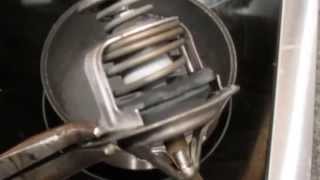
- Check Engine Light: A thermostat stuck open can trigger diagnostic trouble codes like P0125 or P0128, which will turn on your check engine light. 🎬 Watch: See common symptoms and how to diagnose code P0128
Choosing the Right Aftermarket Thermostat
For a vehicle from this era, OEM Motorcraft parts can be hard to find. The aftermarket is your most likely source. However, quality varies significantly. A cheap, poorly made thermostat can fail right out of the box or within a few months, causing the same problems all over again. It's worth spending a few extra dollars on a quality part to avoid a bigger headache later.
Aftermarket Brand Tiers
Based on owner experiences and general brand reputation, here is a breakdown of the available brands:
- Premium Brands (High Performance/Durability):
Mishimoto, Edelbrock, Mr. Gasket: These brands are known for performance cooling components. Mishimoto offers thermostats that may open at a lower temperature, which can be beneficial for heavy towing in hot climates but may prevent the engine from warming up properly in winter. Edelbrock and Mr. Gasket are popular in the performance V8 world. - OEM-Quality Brands (Reliable Replacements):
Gates, Calorstat: Gates is a major name in cooling systems and is generally considered a solid, reliable choice. However, some users have reported occasional failures. Calorstat is a respected OEM supplier and a good option if available. - Standard/Value Brands (Use with Caution):
Motorad: This is one of the most common and affordable brands available. However, they have a mixed reputation, with many forum users reporting premature failures, incorrect temperature regulation, and wide temperature swings. While some of their kits include the housing for convenience, be aware of the potential quality issues.
What Temperature Rating Do You Need?
For most 1975-1994 Econolines, especially later models with fuel injection (like the 4.9L I6, 5.0L V8, and 5.8L V8), a 195°F (or 192°F) thermostat is the standard factory specification. Using the correct temperature is important for the engine computer to operate efficiently. Using a lower temperature thermostat (like 180°F or 160°F) can negatively impact fuel economy and performance.
Typical Replacement Costs
Replacing the thermostat on a 1975-1994 E-150 is a straightforward job. The part itself is inexpensive, and labor is minimal.
| Part/Service | Estimated Cost |
|---|---|
| New Aftermarket Thermostat | $7 - $70 |
| Shop Labor | $100 - $180 |
| Total Professional Replacement | $110 - $250 |
| DIY Cost (Part + Coolant) | $25 - $90 |
Frequently Asked Questions (FAQ)
Can I replace the thermostat myself?
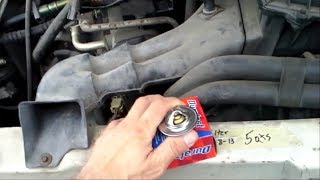
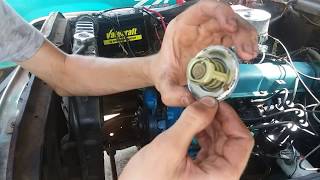
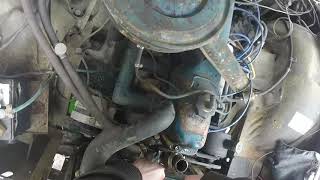
Yes, this is a great DIY job for beginners. The thermostat is located at the front of the engine where the top radiator hose connects to the engine block. The process involves draining a small amount of coolant, removing the air filter housing for access, unbolting the two-bolt thermostat housing, swapping the old thermostat and gasket for the new ones, and then reassembling and topping off the coolant.
🎬 Watch: Step-by-step guide to replacing a thermostat in Ford V8sDo I need to replace the gasket?
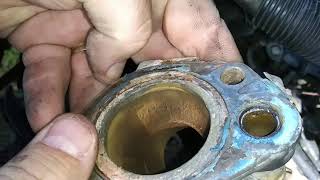
Yes, always use a new gasket. Never reuse the old one. Many new thermostats come with a gasket. Make sure you clean both the engine and the housing surfaces thoroughly before installing the new gasket to ensure a good seal and prevent leaks.
My van has the 4.9L I6 engine. Is the replacement different?
The basic principle is the same for the inline-six (300ci) engine as it is for the V8s (302/351ci). The thermostat housing is still at the front of the engine. However, the housing itself is a different shape, so ensure you order the correct part for your specific engine.
What is a "fail-safe" thermostat?
Some aftermarket brands, like MotoRad, offer "fail-safe" thermostats. These are designed to lock in the open position if they fail, preventing a dangerous overheating situation. While the engine will run cold, it is much safer than having it get stuck closed.
My heat stopped working, but the van isn't overheating. Is it the thermostat?
That is the most likely cause. If the thermostat is stuck open, the engine never reaches the proper temperature to provide hot coolant to the heater core, resulting in lukewarm or cold air from your vents.
Helpful Videos

Technical Specifications
OEM Part Numbers: RT-1139 FOTZ-8592-F
Common Temperature Ratings: 195°F (90.5°C), 192°F (89°C), 180°F (82°C). Location: Engine side of the upper radiator hose. Fasteners: Typically held by a two-bolt housing.
We Have This Part in Stock


The information in this article is provided for general reference and educational purposes only. Vehicle specifications, procedures, and part compatibility can vary by production date, trim level, and region. Always consult your vehicle's factory service manual and verify part numbers before purchasing or performing repairs. Safety-critical components such as airbags, seat belts, and braking systems should be installed by a qualified professional.
- 🎬 Helpful Videos
- 🛍️ Shop This Part
- Is Your E-150's Thermostat Failing?
- Symptoms of a Thermostat Stuck Closed:
- Symptoms of a Thermostat Stuck Open:
- Choosing the Right Aftermarket Thermostat
- Aftermarket Brand Tiers
- What Temperature Rating Do You Need?
- Typical Replacement Costs
- Frequently Asked Questions (FAQ)
- 🎟️ Get 5% Off