

Ford Mustang A/C Accumulator and Drier Guide: 1975-1994
Keep your classic Mustang's A/C blowing cold by understanding this critical, often-overlooked part.
- Always replace the accumulator/drier whenever the A/C system is opened for any repair.
- Ensure the new part is compatible with your refrigerant type (R-12 for pre-1994, R-134a for 1994 and conversions).
- Replacement is not a DIY job; it requires specialized equipment to evacuate and recharge the system properly.
- Symptoms include poor cooling, musty smells, and rattling noises from the engine bay.
Is it an Accumulator or a Receiver Drier?
For the 1975-1994 Ford Mustang, the name of the part depends on your A/C system type. Most Mustangs in this era, especially the 1979-1993 Fox Body, use an orifice tube system. In these cars, the part is called an A/C Accumulator and it's located on the low-pressure (cold) side of the system. Systems with an expansion valve use a Receiver Drier on the high-pressure (hot) side. While they perform a similar function, they are not interchangeable. For this guide, we will refer to the part as an accumulator/drier.
Symptoms of a Failing A/C Accumulator/Drier
A bad accumulator/drier can cause a range of problems. Because it's designed to trap moisture and debris, it can become clogged or saturated over time. Look for these common signs:
- Poor A/C Cooling: This is the most common symptom. A clogged drier restricts refrigerant flow, so your vents blow lukewarm air.
- Moldy or Musty Smell: When the desiccant inside can no longer absorb moisture, mold and mildew can grow in the dark, damp environment of your A/C system, causing a bad smell from the vents.
- Rattling Noises: If the desiccant bag breaks or internal parts come loose, you may hear a rattling sound from the engine bay when the A/C is on.
- Visible Refrigerant Leaks: While less common, the canister can develop leaks, often seen as an oily residue on the part or its fittings.
When to Replace Your Accumulator/Drier
This is a strict rule: You MUST replace the accumulator/drier any time the A/C system is opened for service. This includes replacing a compressor, hose, or condenser. The desiccant material will absorb moisture from the open air within hours, making the part useless. Failing to replace it will void the warranty on a new compressor and lead to premature failure of the entire system.
Choosing the Right Aftermarket Part
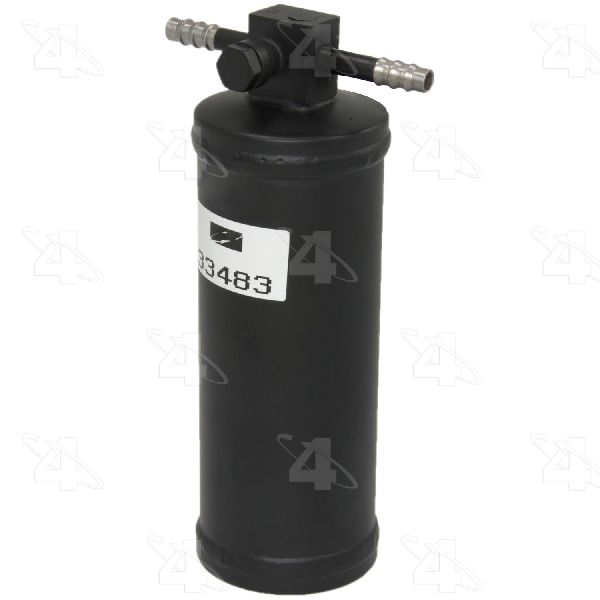
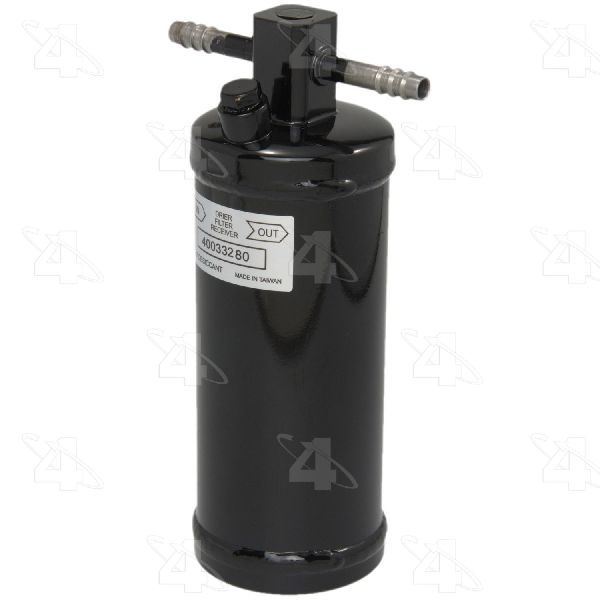
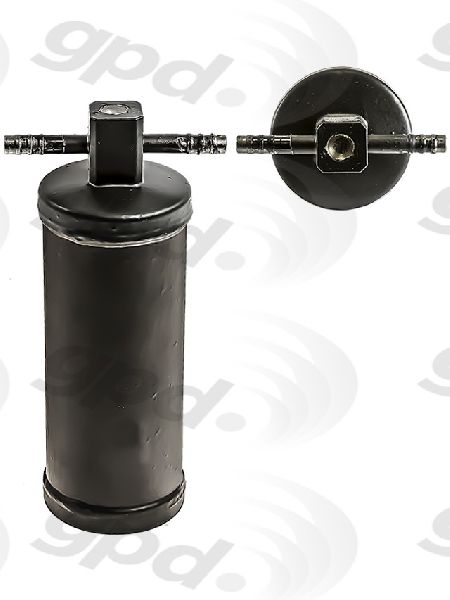
For a 1975-1994 Mustang, OEM parts are generally discontinued. The market consists of aftermarket brands like Four Seasons and Global Parts. Forum discussions among mechanics and vehicle owners show mixed opinions on many aftermarket A/C brands. Four Seasons is a widely available brand, with some users reporting success with their new parts, while others have experienced issues. Global Parts is another common option. For a component like an accumulator/drier, build quality, proper fit, and clean welds are the most important factors. Both Four Seasons and Global Parts are considered standard-tier aftermarket replacements.
R-12 vs. R-134a: A Critical Choice
Mustangs made before 1994 used R-12 refrigerant from the factory. The 1994 model year was the first to use the newer R-134a. If you are servicing an older R-12 system, you must use an accumulator/drier compatible with R-12 and its mineral oil. If you are converting your Fox Body to the more common and affordable R-134a, you must install a new accumulator/drier designed for R-134a and its PAG oil. Using the wrong type will lead to system failure.
Cost to Replace a 1975-1994 Mustang A/C Accumulator/Drier
The total cost involves the part itself and the labor to properly service the A/C system.
| Item | Estimated Cost |
|---|---|
| New Aftermarket Accumulator/Drier | $18 - $42 |
| Shop Labor (including system evacuation and recharge) | $200 - $400 |
| Total Estimated Cost | $218 - $442 |
Note: Labor costs can vary significantly based on your location and the specific shop.
Frequently Asked Questions
Can I replace the accumulator/drier myself?
This is not recommended for a DIY mechanic unless you have the proper A/C service equipment. Legally and safely, the refrigerant in the system must be recovered by a certified technician. The system must then be put under a deep vacuum to boil off any moisture before being recharged with the precise amount of refrigerant and oil. Failure to do this correctly will result in poor performance and potential damage.
Do I need to add oil when replacing the accumulator/drier?
Yes. When you replace the accumulator, a specific amount of A/C oil is removed with the old part. You must add the correct amount and type of new oil (Mineral oil for R-12, PAG oil for R-134a) to the new accumulator before installation to ensure the compressor stays lubricated. Check your vehicle's service manual or the part manufacturer's instructions for the exact amount.
Are there any recalls for the A/C drier on my 1975-1994 Mustang?
No. Searches of the National Highway Traffic Safety Administration (NHTSA) database did not find any recalls or technical service bulletins (TSBs) related to the A/C accumulator or receiver drier for the 1975-1994 Ford Mustang model years.
What is desiccant?
Desiccant is a material that absorbs moisture, much like the silica gel packets you find in new shoes or electronics. In your A/C system, it's contained within a bag inside the accumulator/drier to pull any water out of the refrigerant, preventing corrosion and ice crystals from forming.
Technical Specifications
System type: Orifice tube systems use an Accumulator; Expansion valve systems use a Receiver Drier. Refrigerant compatibility: Must match R-12 (pre-1994 models) or R-134a (1994+ models and conversions). Oil compatibility: Must match Mineral Oil (R-12) or PAG Oil (R-134a).
We Have This Part in Stock

The information in this article is provided for general reference and educational purposes only. Vehicle specifications, procedures, and part compatibility can vary by production date, trim level, and region. Always consult your vehicle's factory service manual and verify part numbers before purchasing or performing repairs. Safety-critical components such as airbags, seat belts, and braking systems should be installed by a qualified professional.
- 🛍️ Shop This Part
- Is it an Accumulator or a Receiver Drier?
- Symptoms of a Failing A/C Accumulator/Drier
- When to Replace Your Accumulator/Drier
- Choosing the Right Aftermarket Part
- R-12 vs. R-134a: A Critical Choice
- Cost to Replace a 1975-1994 Mustang A/C Accumulator/Drier
- Frequently Asked Questions
- 🎟️ Get 5% Off