

Ford Mustang Distributor Replacement Guide (1975-1996)
Solve rough running and no-start problems by understanding and choosing the right distributor for your 1975-1996 Mustang.
- The distributor-mounted TFI module on 1986-1993 5.0L models is a primary failure point; replacing the whole distributor is often the best fix.
- Ensure your new distributor has the correct gear (steel for most roller cams) to avoid destroying your engine's camshaft.
- The 1996 Mustang GT (4.6L V8) does NOT have a distributor, but the V6 model does. Verify your engine before ordering.
- Ignition timing must be set with a timing light after installation for the engine to run correctly.
Understanding Your Mustang's Distributor: 1975-1996

The distributor in your Mustang changed significantly over these two decades. Early models used reliable but basic DuraSpark electronic systems. The 1986-1993 5.0L V8s are famous for their distributor-mounted Thick Film Ignition (TFI) module, which is a common failure point due to engine heat. In 1994, Ford moved the TFI module off the distributor for the 5.0L V8, improving its lifespan. It's important to note that the 1996 Mustang GT with the 4.6L V8 engine does not have a distributor; it uses a modern coil-on-plug ignition system. However, the 3.8L V6 model for that year still uses a distributor.
Symptoms of a Failing Distributor

A bad distributor can cause a range of problems from annoying to critical. Here’s what to look for:
- Engine Misfires: The engine may shake or hesitate, especially under load. This can feel like a stutter or a bucking sensation.
- No-Start Condition: The engine cranks but won't start. This is often due to a complete failure of the distributor's internal pickup sensor (PIP) or the TFI module.
- Stalling When Hot: The engine runs fine when cold but stalls after reaching operating temperature and may refuse to restart until it cools down. This is a classic symptom of a failing TFI module on 1986-1993 models.
- Rough Idle: The engine idles poorly or at an unusually low RPM.
- Check Engine Light: While less common on earlier models, later OBD-II equipped cars may trigger fault codes related to the camshaft position sensor, which is housed in the distributor.
Known Issue: TFI Module Failure (1986-1993 5.0L)
The most notorious problem for Fox Body Mustangs is the failure of the distributor-mounted TFI module. Engine heat cooks the module over time, leading to stalling, misfires, and no-start conditions, especially when the engine is hot. While replacing just the module is possible, if the distributor has high mileage, the internal PIP sensor (camshaft position sensor) may also be worn and could fail next. For this reason, replacing the entire distributor assembly is often the most reliable long-term repair.
Choosing the Right Aftermarket Distributor

When shopping for a new distributor, you'll find options from OE-style replacements to high-performance upgrades. It's crucial to get the correct one for your engine, especially regarding the distributor gear material, which must be compatible with your camshaft (roller or flat-tappet).
Brand Tiers
- Performance (MSD, FAST): Brands like MSD are the top choice for high-performance and modified engines. They offer billet aluminum housings, sealed ball bearings, and high-output modules for maximum spark energy and durability under stress. FAST also provides high-quality components, often as part of complete electronic fuel injection (EFI) systems. These are the most expensive options.
- Enhanced OE-Style (Accel): Accel is often seen as a step up from stock, offering performance-oriented features like brass terminals at a more moderate price point. They are a popular choice for mild performance builds and stock replacements.
- Standard Replacement (Cardone, WAI Global): These brands focus on providing new, direct-fit replacements that meet or exceed original equipment (OE) specifications. Cardone is well-known for both new and remanufactured parts, while WAI Global offers 100% new units. Owner reviews can be mixed, with some experiencing early failures, so warranty and return policies are important considerations.
| Part Type | Estimated Cost |
|---|---|
| New Aftermarket | $96.29 - $742.85 |
| New OEM (Motorcraft) | $200 - $460 |
| Remanufactured | $80 - $250 |
| Shop Labor | $110 - $161 |
Pro Tip: Setting the Timing is Crucial
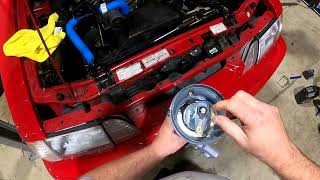
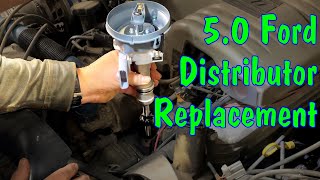
Replacing a distributor isn't just a simple swap. You must set the engine to Top Dead Center (TDC) on the #1 cylinder's compression stroke before removing the old unit. After installing the new distributor, you must set the ignition timing with a timing light. For 1986 and later models, this involves disconnecting the SPOUT connector to prevent the computer from adjusting timing during the procedure. 🎬 Follow this step-by-step video to install and time your distributor. Failure to set timing correctly will result in poor performance, backfiring, or a no-start condition.
Frequently Asked Questions
Do I need to replace my entire distributor or just the cap and rotor?
If you are just doing a routine tune-up and have no specific running issues, a new cap and rotor is standard maintenance. However, if you are experiencing symptoms like stalling when hot, a no-start condition, or significant shaft wobble, the problem is likely the TFI module or internal distributor components, and a full replacement is recommended.
What is a TFI module and why does it fail?
The TFI (Thick Film Ignition) module is the electronic brain of the ignition system on 1986-1995 Mustangs. On 1986-1993 models, it's mounted directly to the distributor body, where it is exposed to intense engine heat. This heat cycling eventually causes the electronics inside to fail, leading to common symptoms like stalling when hot.
🎬 Watch this guide on diagnosing and replacing a bad TFI module.Do I need a steel or iron gear on my new distributor?
This is critical. Most 1985 and later 5.0L Mustangs use a roller camshaft and require a steel distributor gear. Using a distributor with the wrong gear material (like an iron gear on a roller cam) will destroy both the distributor gear and the camshaft gear, leading to catastrophic engine damage. Always verify the gear material required for your specific engine and camshaft combination.
Is the distributor for a 1994-1995 Mustang the same as a Fox Body?
No, they are different. While both are for the 5.0L engine, the 1994-1995 SN95 Mustang uses a distributor with a remotely located TFI module. The distributor itself primarily acts as a housing for the camshaft position sensor. You must use a distributor specifically designed for the 1994-1995 models.
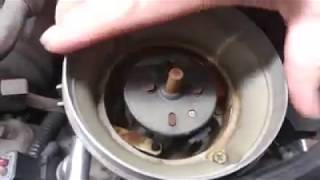
🎬 See how to replace the distributor on 1994-1995 Mustang models.Were there any recalls for the distributor on these Mustangs?
Searches of the National Highway Traffic Safety Administration (NHTSA) database did not show any specific recalls for the distributor assembly on 1975-1996 Ford Mustangs. Most issues are considered wear-and-tear or are addressed by Technical Service Bulletins (TSBs) for dealerships.
Helpful Videos

Technical Specifications
OEM Part Numbers: D4PZ-12127-E E6ZZ-12127-A F1ZZ-12127-A F4ZZ-12127-B
Varies by year and engine. Key factors include ignition system type (DuraSpark, TFI), TFI module location (distributor or remote mount), and distributor gear material (steel or iron).
We Have This Part in Stock



The information in this article is provided for general reference and educational purposes only. Vehicle specifications, procedures, and part compatibility can vary by production date, trim level, and region. Always consult your vehicle's factory service manual and verify part numbers before purchasing or performing repairs. Safety-critical components such as airbags, seat belts, and braking systems should be installed by a qualified professional.
- 🎬 Helpful Videos
- 🛍️ Shop This Part
- Understanding Your Mustang's Distributor: 1975-1996
- Symptoms of a Failing Distributor
- Known Issue: TFI Module Failure (1986-1993 5.0L)
- Choosing the Right Aftermarket Distributor
- Brand Tiers
- Pro Tip: Setting the Timing is Crucial
- Frequently Asked Questions
- 🎟️ Get 5% Off